 zh-CN
zh-CN

Apr 23-2025
Revitalize Your Body Inside Out with Hydrolyzed Collagen: The Ultimate Guide to Rejuvenation
READ MORE >
Pea Protein Peptides are short-chain bioactive peptides derived from yellow peas (Pisum sativum) through a sophisticated process of enzymatic hydrolysis. These peptides typically feature molecular weights below 1000 Da, significantly smaller than intact proteins, which allows for faster digestion and better absorption in the human body.The production begins with high-quality pea protein isolate, which is then broken down using specific enzymes under controlled conditions. This hydrolysis unlocks functional and bioactive properties that make pea peptides particularly valuable in modern food formulation.
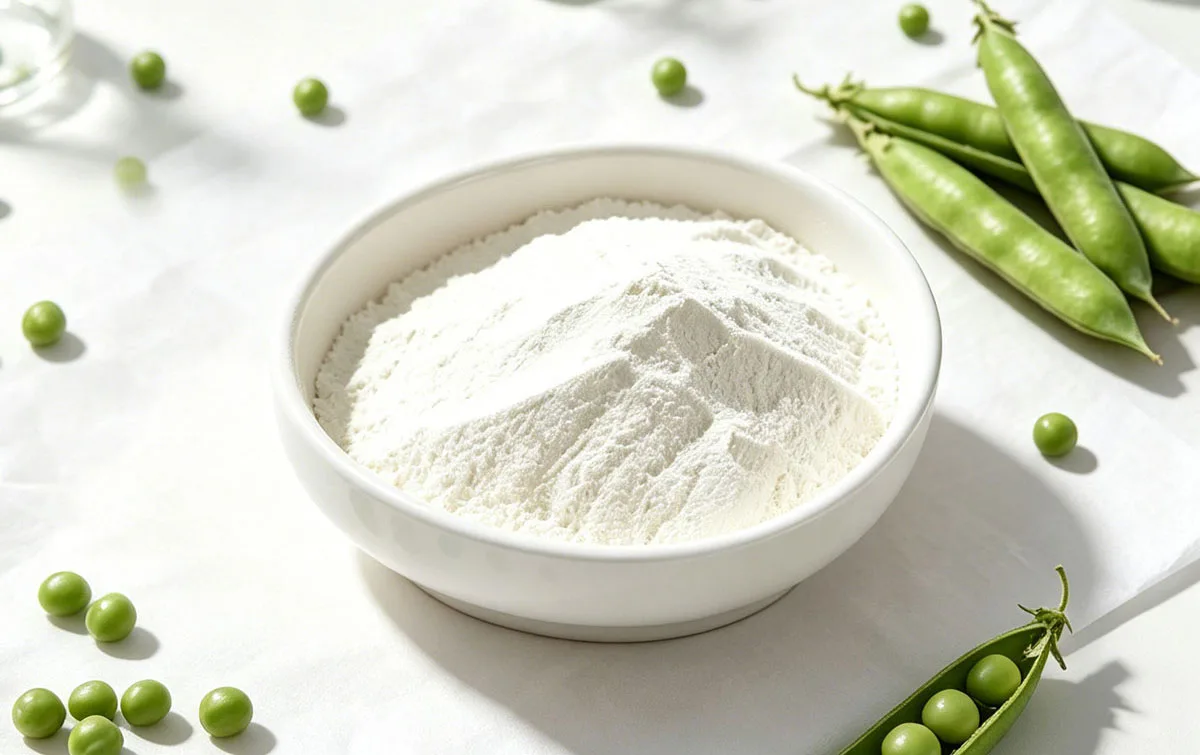
Pea protein peptides boast an impressive nutritional composition that aligns perfectly with current consumer preferences for clean, plant-based proteins. They are rich in essential amino acids, particularly lysine, while remaining low in fat and completely cholesterol-free.
Protein Content | ≥ 85% |
Molecular Weight | 200-1000 Da |
Essential Amino Acids | Lysine, BCAAs, Phenylalanine, Glutamic Acid & Aspartic Acid, Arginine |
High Solubility | Completely soluble in water over a very wide pH range (2.0–9.0), with no precipitation. |
Cholesterol | 0% |
Allergens | Low (Gluten-free, suitable for many allergen-sensitive consumers) |
These peptides are naturally vegan, non-GMO (when sourced appropriately), and gluten-free, making them ideal for a wide range of inclusive product formulations.
The manufacturing of high-quality pea protein peptides involves several precise, science-driven steps to ensure purity, consistency, and functionality.
Premium non-GMO yellow peas with high protein content are carefully selected as the starting material. Quality at this stage directly impacts the final peptide profile and nutritional value.
Proteins are isolated from the peas using wet processing methods, resulting in high-purity pea protein isolate with minimal anti-nutritional factors.
Specific food-grade enzymes are used under tightly controlled temperature, pH, and time conditions to break the protein into targeted small peptides. This step is critical for achieving desired molecular weight distribution and bioactivity.
Impurity removal through filtration and concentration ensures the final product meets stringent food safety and quality standards.
The concentrated peptide solution is spray dried into a fine, stable powder that offers excellent shelf stability and easy handling in industrial applications.
Due to their low molecular weight, pea protein peptides are absorbed more rapidly and efficiently than larger proteins, making them particularly suitable for individuals with sensitive digestive systems or those seeking quick nutritional support.
These peptides exhibit superior solubility across a wide pH range, enabling seamless incorporation into clear beverages, ready-to-drink shakes, and liquid supplements without sedimentation or grittiness.
Compared to whey or soy proteins, pea peptides align better with vegan, allergen-conscious, and clean-label trends, broadening market appeal significantly.
Scientific studies have explored the potential antioxidant, antihypertensive, and gut health-supporting properties of pea-derived peptides, positioning them as valuable ingredients in functional nutrition (always used within regulatory guidelines).
While both originate from the same source, the hydrolysis process creates meaningful differences that impact formulation choices.
Molecular Size | Intact macromolecular plant protein | Small‑molecule protein peptides obtained by hydrolysis of pea protein (200–1000 Da) |
Absorption Rate | Needs to be broken down into peptides and amino acids in the digestive tract | Rapid absorption, can be directly absorbed |
Solubility | Moderate | Excellent |
Production Process | Extracted by physical separation, precipitation, and other techniques | Produced using enzymatic hydrolysis technology |
Bioavailability | High | Higher |
Functional Food Use | Protein powders, protein bars, baked goods | Sports nutrition supplements, functional beverages, special medical foods |
For high-end functional foods and performance nutrition, pea protein peptides often deliver superior value and consumer experience.
Incorporated into meal replacements, protein bars, healthy snacks, and baked goods to boost protein content while maintaining great taste and texture.
Ideal for post-workout recovery powders, pre-workout blends, and performance beverages due to rapid absorption and clean profile.
Used in sachets, capsules, and tablets targeting digestive health, muscle support, and daily wellness.
Valuable in elderly nutrition, clinical formulations, and products designed for easy digestion and nutrient uptake.
Perfect for vegan protein drinks and RTD functional beverages thanks to outstanding solubility.
The shift toward plant-based diets, sustainability concerns, and demand for highly functional ingredients are driving strong growth in the pea peptide sector. Consumers seek clean-label, traceable, and effective nutrition solutions.Key drivers include environmental benefits of pea cultivation, superior digestibility compared to many other proteins, and versatility in modern product formats.
B2B buyers should evaluate suppliers carefully to ensure consistent quality and supply security.
Quality Consistency | High |
Production Capacity | High |
Certifications (GMP, HACCP, ISO, FSSC22000) | High |
Technical Support & Customization | High |
Global Export Experience | High |
Hengxin Bio is a trusted global manufacturer specializing in functional protein ingredients, including gelatin, collagen peptides, and premium plant-based peptides. With advanced production facilities and a strong focus on innovation, we deliver consistent, high-quality pea protein peptides tailored to client specifications.Our advantages include a robust R&D center with multiple patents, large-scale manufacturing capacity, strict quality controls, and dedicated technical support for formulation development. We emphasize sustainable practices and maintain full traceability from farm to finished ingredient.
Pea Protein Peptides represent the next evolution in plant-based protein ingredients. Their superior digestibility, excellent functionality, and alignment with sustainability and wellness trends make them an outstanding choice for forward-thinking brands. Whether developing sports nutrition, functional beverages, or clinical nutrition products, partnering with a reliable supplier ensures access to consistent quality and technical expertise.