
 zh-CN
zh-CN



Jan 28-2025
Exploring the Chemistry Behind Gelatin Additives for Soft Capsules
READ MORE >
The pharmaceutical industry constantly evolves, introducing new technologies and formulations to improve drug delivery. One critical component in this field is gelatin additives, particularly for hard capsules. These additives enhance the functionality, stability, and absorption of various medications.
In this guide, we provide an in-depth look at gelatin additives, their types, benefits, applications, and how to select the right one for your hard capsules. Whether you're a beginner or a seasoned professional, understanding these elements can significantly impact your pharmaceutical products' quality and efficacy.
The primary function of gelatin additives is to form a gel-like substance that provides a suitable environment for the encapsulated APIs. This unique property makes gelatin an essential component when formulating hard capsules.
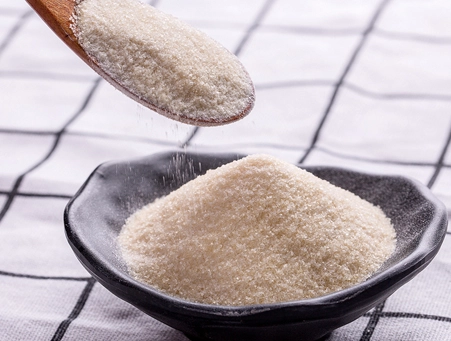
- Providing a Consistent Texture: Gelatin additives contribute to the overall mouthfeel and ease of swallowing, enhancing patient compliance.
There are primarily two types of gelatin used in hard capsules: Type A and Type B. Each type has unique properties that can affect the performance of the capsules.
Type A gelatin is produced from pig skin and is characterized by its strong gel strength and clarity. It is often favored for its excellent solubility and ability to form a stable gel, making it suitable for a wide range of pharmaceutical applications.
Type B gelatin is derived from bovine bones and has a lower gel strength compared to Type A. However, it is more stable at varying temperatures and has better sensory properties, making it an excellent choice for soft capsules.
In response to dietary restrictions and ethical concerns, alternatives to gelatin, such as plant-based capsules, are gaining popularity. These alternatives are often made from hydroxypropyl methylcellulose (HPMC) and are suitable for vegetarian and vegan formulations.
Gelatin additives significantly improve the stability of active ingredients, protecting them from degradation due to environmental factors like humidity and temperature fluctuations.
By controlling the release of active ingredients, gelatin additives can optimize therapeutic effects. This controlled release ensures that the medication is delivered at the right time and in the right amount.
The smooth texture of gelatin capsules makes them easier to swallow compared to traditional tablets. This feature is essential for patient compliance, particularly for those with difficulties in swallowing.
Gelatin additives can be combined with various substances, including flavorings and colorings, allowing for diverse formulations tailored to specific patient needs and preferences.
The primary use of gelatin additives is in the production of hard capsules. They are essential in ensuring the capsules maintain their shape and provide effective delivery of APIs.
In soft capsules, gelatin additives enhance flexibility and stability, allowing for the encapsulation of liquid formulations, such as oils and suspensions.
Innovative drug delivery systems often utilize gelatin additives to achieve targeted delivery, improving the efficacy of treatments for chronic diseases.
Gelatin additives are also prevalent in the nutraceutical industry, where they are used in dietary supplements to enhance bioavailability and absorption of vitamins and minerals.
Selecting the appropriate gelatin additive is crucial for optimal capsule performance. Consider the following factors when making your choice:
The nature of the active ingredient will dictate the type of gelatin additive needed. For instance, hydrophilic APIs may require a different formulation than hydrophobic ones.
Determine whether you need immediate or controlled release of the active ingredient. Different gelatin additives can provide varying release characteristics.
Ensure that the chosen gelatin additive complies with the regulatory standards set forth by health authorities in your region.
Evaluate the cost of the gelatin additive in relation to its benefits. Opt for a formulation that provides the best value without compromising on quality.
The use of gelatin additives in pharmaceuticals is subject to stringent regulations to ensure safety and efficacy. Regulatory agencies, such as the U.S. Food and Drug Administration (FDA) and the European Medicines Agency (EMA), have established guidelines governing the production and use of gelatin in pharmaceutical applications.
Manufacturers must adhere to strict quality control processes to ensure that gelatin additives meet the required specifications. This includes testing for purity, viscosity, and gel strength.
Proper labeling of gelatin additives is essential to inform healthcare professionals and patients about the composition and potential allergens associated with the product.
The future of gelatin additives in the pharmaceutical industry is promising, with ongoing research and development aimed at enhancing their functionality and applicability.
Hybrid capsules that combine the properties of natural and synthetic materials are becoming more popular. This trend aims to balance performance with dietary preferences.
Research focused on creating more sophisticated drug delivery systems using gelatin additives will likely lead to improved therapeutic outcomes.
With increasing emphasis on sustainability, the development of plant-based alternatives to traditional gelatin is expected to grow. This shift reflects changing consumer preferences and ethical considerations.
Gelatin additives enhance stability, improve drug release profiles, and increase patient compliance due to their smooth texture.
Yes, plant-based capsules made from hydroxypropyl methylcellulose (HPMC) are popular alternatives for those seeking vegetarian or vegan options.
Consider the type of active ingredient, desired release profile, regulatory compliance, and cost-effectiveness when selecting a gelatin additive.
The U.S. Food and Drug Administration (FDA) and the European Medicines Agency (EMA) are primary regulatory bodies governing the use of gelatin in pharmaceuticals.
The future includes the development of hybrid capsules, innovations in drug delivery systems, and a shift toward sustainable, plant-based alternatives.