 zh-CN
zh-CN

Mar 03-2026
Is Bone Gelatin Safe for Human Consumption? A Comprehensive Review
READ MORE >
Plain, unflavored gelatin is generally low-risk for healthy dogs and cats in small amounts. But gelatin desserts, gummies, and supplements may contain ingredients that are unsafe for pets. The full recipe matters more than the word "gelatin" on the label.
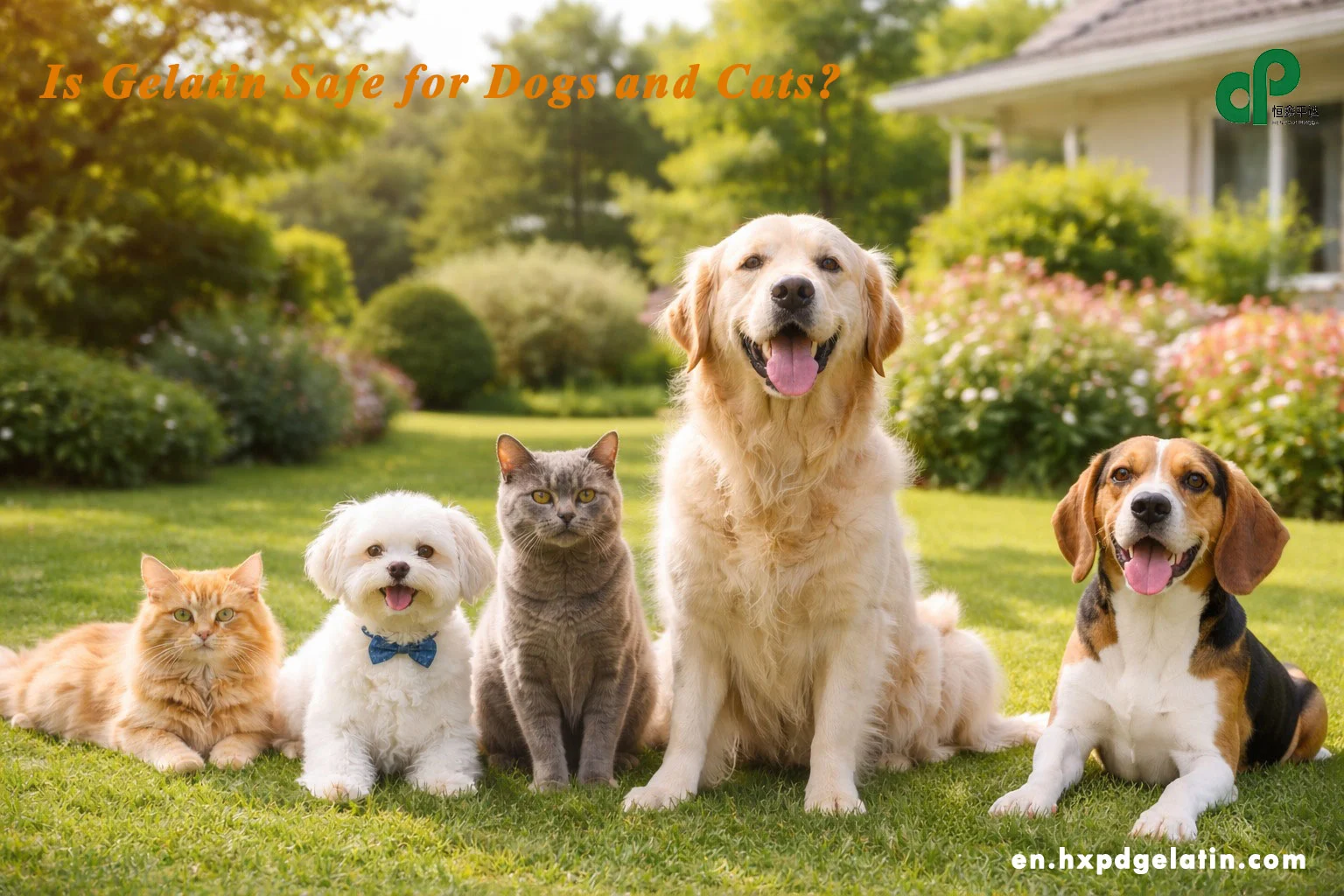
So, is gelatin bad for dogs and cats? The answer depends on the product, how much your pet eats, and their health. It also helps to separate two questions: whether gelatin is safe to eat and whether your pet benefits from eating it.
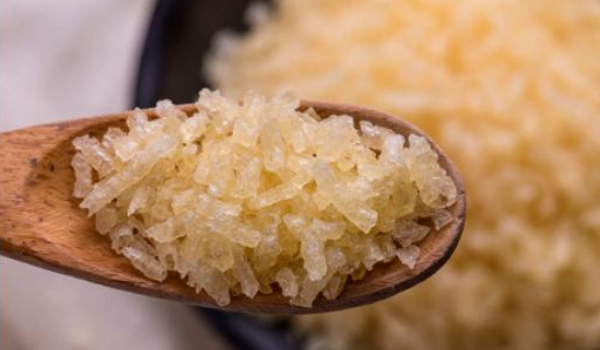
Gelatin is a protein made from animal collagen. Dogs can generally tolerate small amounts of plain, unflavored gelatin. Choose a product without added sugar, sweeteners, or other ingredients that could harm your dog. However, gelatin is not something every dog needs. A dog eating a complete and balanced diet does not need extra gelatin simply because it contains protein.
Cats can also generally tolerate a small amount of plain gelatin. It should remain an occasional extra, rather than a replacement for regular cat food. Cats need specific nutrients from their diet. Gelatin alone cannot meet those needs. Cornell's Feline Health Center recommends feeding complete and balanced food and keeping treats occasional.
Added sugar is a problem. Flavored gelatin desserts, like regular Jell-O, are loaded with sugar. Sugar is not good for dogs or cats. Too much can lead to weight gain and stomach upset.
Sugar-free versions can be deadly. Many sugar-free gelatin products use xylitol instead of sugar. Xylitol is highly toxic to dogs. Even a small amount can cause a dangerous drop in blood sugar. Never feed sugar-free gelatin snacks to your dog.
Allergies are possible. Gelatin usually comes from beef or pork. If your pet has a known allergy to either protein, gelatin from that source could trigger a reaction. Watch for itching, upset stomach, or skin irritation after a new food.
Gummy treats can be a choking hazard. Thick gelatin treats, especially large or hard ones, can be a choking risk for small dogs or cats that gulp their food.
Too much can upset the stomach. Gelatin is not a normal part of a cat or dog's daily diet. Feeding large amounts at once can cause loose stool or an upset stomach.
If your pet ever eats a sugar-free gelatin product and shows signs of weakness or vomiting, contact your vet or an emergency animal clinic right away.
Gelatin has useful food-making properties and contributes some nutrients. Claims about treating health problems need a closer look.
It may support joint health. Gelatin contains amino acids like glycine and proline. These are building blocks of collagen. Collagen is a key part of cartilage, the tissue that cushions your pet's joints. This is why many joint supplements for older dogs list gelatin or collagen as an ingredient.
May help the skin and coat. The same amino acids that support joints also play a role in skin and coat health. Some pet owners notice shinier fur after adding gelatin to their pet's diet.
Support gut health. Some research suggests glycine can help protect the lining of the digestive tract. This is one reason bone broth, which is rich in gelatin, is a popular addition to homemade pet diets.
It adds a protein boost. Gelatin is almost pure protein. It is not a complete protein on its own, but it can add extra amino acids to a meal.
Potential Benefit | Why It Happens |
Joint support | Provides glycine and proline, key parts of cartilage. |
Skin and coat health | Same amino acids support skin structure. |
Gut support | Glycine may help protect the gut lining. |
Extra protein | Gelatin is nearly all protein |
Keep in mind these benefits come from research on collagen and its amino acids in general. Gelatin should be seen as a helpful extra, not a cure or a core part of your pet's diet.
Not every jar or box labeled "gelatin" is safe. The type matters a lot.
Choose plain, unflavored gelatin. Plain powdered gelatin, the kind used for baking, is the safest option. It has no added sugar, flavors, or artificial sweeteners.
Avoid anything flavored or sweetened. Skip fruit-flavored gelatin snacks made for people. These almost always contain sugar or artificial sweeteners that are not meant for pets.
Check the sourcebeef, pork or fish gelatin. Any of these can work well, as long as your pet does not have an allergy to that specific protein.
Look for pet-specific products when possible. Many joint supplements are made with gelatin or hydrolyzed collagen designed specifically for pets. These often have the right dose already worked out.
Start small. Introduce any new gelatin product slowly. A small amount mixed into food is a good starting point.
When in doubt, ask your veterinarian before adding gelatin to your pet's routine. This is especially important if your pet has a health condition or takes medication.
First, find out exactly what your pet ate. A small taste of plain gelatin is different from a gummy vitamin or a sugar-free dessert. Take these steps:
Remove the product. Prevent your pet from eating more.
Save the package. Check the ingredients and any active ingredients in supplements.
Estimate the amount and time. Have your pet’s weight ready when calling for advice.
Contact a vet if a harmful ingredient is possible. Do not wait for symptoms after a suspected poisoning.
Seek emergency care for serious signs. Trouble breathing, collapse, or seizures need immediate attention.
The ASPCA recommends gathering packaging and contacting a veterinary professional promptly after a possible poisoning. In the United States, ASPCA Poison Control is available at 888-426-4435. A consultation fee may apply.
If your dog may have eaten xylitol, call a vet or emergency clinic right away. This sweetener can cause a dangerous drop in blood sugar. It may also appear on labels as birch sugar or wood sugar. Don't try to make your pet vomit unless a veterinary professional tells you to. Home treatment can create new risks.
Gelatin and collagen peptides come from the same source, but they are not identical. Knowing the difference can help you pick the right one. Gelatin is partially broken down collagen. When heated, it forms a gel as it cools. This is why it works well in treats, broths, and gummy-style snacks. Collagen peptides are fully broken down. This process is called hydrolysis. The result dissolves easily in both hot and cold liquids, and it does not form a gel. Both offer similar amino acids. Since they come from the same source material, gelatin and collagen peptides provide comparable nutritional benefits.
The best choice depends on the use. If you want a gel-like treat or a chewy snack, gelatin is the better pick. If you want to mix a supplement into your pet's water or food without changing the texture, collagen peptides work better.
Feature | Gelatin | Collagen Peptides |
Forms a gel when cooled | Yes | No |
Dissolves in cold liquid | No | Yes |
Common use | Treats, gummies, broths | Powders mixed into food or water |
Amino acid profile | Similar | Similar |
Neither one is "better" across the board. It really comes down to how you plan to use it.
Use food-grade gelatin with no added flavors or sweeteners. Follow the package directions for preparation.
Water keeps the recipe simple. If you use broth, check every ingredient. Avoid broth containing onions or garlic, and do not assume a human soup stock is suitable for pets. Serve only a small, soft portion once it has cooled. Supervise your pet, especially if they tend to gulp treats.
There is no single teaspoon amount that suits every dog and cat. Body size, health, the recipe, and the rest of the diet all matter.
Dry powder and prepared gelatin also differ greatly in concentration. A spoonful of powder is not the same as a spoonful of a water-based gel. Avoid turning an occasional treat into a daily supplement without a clear reason. If you want to feed gelatin regularly, ask your vet about an amount that fits your pet's diet.
Get advice before adding gelatin if your pet follows a prescribed diet or has a known food allergy. The same applies if you hope to use it for a health problem. For puppies and kittens, keep the focus on food designed for growth. Extras should not displace the nutrients they need.
No. Plain gelatin is an ingredient. Jell-O gelatin desserts are finished mixes or foods with other ingredients. Check the specific product. Flavor, sugar content, and sweeteners vary.
Daily gelatin is generally unnecessary for a pet eating a suitable, balanced diet. Whether a regular amount is appropriate depends on the pet and the complete feeding plan. Ask your vet before using it as a daily supplement.
The source may matter for food sensitivities or a prescribed feeding plan. No source is automatically the best choice for every pet. Check with the manufacturer if the animal source is not clear.
Plain gelatin can be an occasional extra for some healthy dogs and cats. The safest decision starts with checking the full ingredient list and keeping portions small. Its clearest uses are adding protein and changing food texture. Broader health claims need stronger, product-specific evidence. Keep balanced food at the center of your pet’s diet, and contact a vet promptly after a possible toxic exposure.