 zh-CN
zh-CN

Jun 04-2026
What Is Bovine Gelatin Used For? A Complete Industrial & Pharmaceutical Guide
READ MORE >
Choosing the right type of bone gelatin is not just a technical decision—it directly affects texture, stability, shelf life, processing efficiency, regulatory compliance, and consumer experience. Because gelatin derived from different bones behaves differently under heat, moisture, and mechanical stress, manufacturers carefully match gelatin sources to specific applications.
Below is a deeper look at how bone gelatin performs across major industries.
In food applications, gelatin is primarily valued for its gelling strength, elasticity, thermal reversibility, and sensory performance.
Bovine Bone Gelatin
Bovine bone gelatin is the preferred choice for products that require strong structure and heat resistance.
lCommonly used in gummy candies, marshmallows, chewing candies, and firm jellies
lMaintains shape and elasticity at room temperature and slightly elevated temperatures
lProvides a clean bite and long-lasting chew
Because of its high Bloom strength and thermal stability, bovine gelatin performs exceptionally well in confectionery products that must survive transport, storage, and warm climates without deformation.
Porcine Bone Gelatin
Porcine bone gelatin is known for its excellent clarity, smooth mouthfeel, and fast hydration.
lWidely used in puddings, yogurts, mousses, panna cotta, ice cream, and dairy-based desserts
lDissolves quickly and forms uniform gels
lEnhances gloss and creaminess
Its natural transparency and soft gel texture make porcine gelatin especially attractive for premium desserts where appearance and sensory quality matter as much as functionality.
Fish Bone Gelatin
Fish bone gelatin stands out for its low melting point and high transparency.
lIdeal for crystal-clear jellies, chilled desserts, aspics, and cold-set confectionery
lMelts close to body temperature, creating a smooth, melt-in-the-mouth sensation
lSuitable for halal, kosher, and culturally restricted diets
Because it sets at lower temperatures, fish gelatin is often used in refrigerated or frozen desserts and in culinary applications where delicate texture is desired.
Poultry Bone Gelatin
Poultry bone gelatin is typically used where cost efficiency and functional performance need to be balanced.
lCommon in mid-range candies, processed foods, and industrial formulations
lOffers moderate gel strength and neutral flavor
lFrequently utilized as a functional ingredient rather than a sensory highlight
Its role is often supportive—improving texture, water retention, and consistency rather than defining the eating experience.
In pharmaceutical and medical fields, gelatin must meet strict standards for purity, consistency, and biocompatibility.
Bovine Bone Gelatin
Bovine bone gelatin dominates this sector due to its mechanical strength and thermal resistance.
lPrimary material for hard capsule shells
lUsed in tablet coatings and controlled-release systems
lWithstands sterilization and high-temperature processing
Its predictable performance ensures that capsules protect active ingredients while dissolving reliably in the digestive system.
Fish Bone Gelatin
Fish bone gelatin plays a critical role in specialized and regulated markets.
lWidely used in halal and kosher-certified capsules
lApplied in ophthalmic solutions, wound dressings, and biomedical carriers
lOffers excellent transparency and gentle tissue compatibility
Its low allergenicity and cultural acceptance make fish gelatin indispensable in global pharmaceutical supply chains.
In cosmetics, gelatin is valued not only for functionality but also for sensory performance and skin compatibility.
Porcine Bone Gelatin
Porcine gelatin is commonly used as a thickener and stabilizer.
lFound in creams, lotions, hair conditioners, and serums
lImproves viscosity and spreadability
lCreates a smooth, non-sticky skin feel
Fish Bone Gelatin
Fish gelatin is increasingly favored in premium and sensitive-skin formulations.
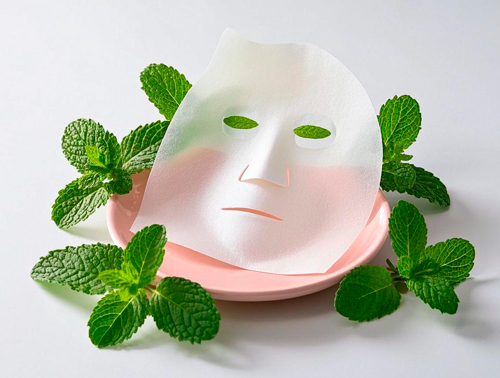
lSuitable for facial masks, eye serums, and soothing skincare products
lForms lightweight, breathable films on the skin
lOften perceived as cleaner and more skin-friendly by consumers
Its mild nature and excellent film-forming properties align well with modern cosmetic trends focused on gentleness and skin health.
Each type of bone gelatin excels in a different role:
lBovine bones deliver strength and stability
lPorcine bones enhance clarity and mouthfeel
lFish bones offer low melting points and dietary flexibility
lPoultry bones provide economical functional support
Understanding these differences allows manufacturers to optimize performance, meet regulatory demands, and align with consumer expectations—proving once again that in gelatin production, the right bone makes all the difference.
Further reading: Is Gelatin Made From Bones? A Complete Guide to Bone Gelatin Production, Sources, and Uses