 zh-CN
zh-CN
Jun 26-2026
Plant-Based Protein Peptides Guide: Sources, Scientific Principles, and Market Applications
READ MORE >
Gelatin remains one of the most important functional ingredients in the global food, nutraceutical, and pharmaceutical industries. From delivering active ingredients in medicines to creating the perfect chew in gummy candies, gelatin’s unique gelling, stabilizing, and film-forming properties make it nearly irreplaceable. Yet in today’s market, technical performance alone is not enough — halal compliance has become a decisive factor for manufacturers targeting Muslim consumers and international markets.
This comprehensive guide explores gelatin capsules, halal gelatin requirements, manufacturing processes, real-world applications, and certification essentials. Whether you are a food ingredient importer, pharmaceutical procurement manager, nutraceutical brand owner, or halal supply chain decision-maker, you will find actionable insights to support compliant, high-quality product development.
Gelatin is a natural, protein-based biopolymer derived from the collagen found in animal connective tissues, bones, and hides — primarily bovine or porcine sources, with fish as an important alternative. Through partial hydrolysis, collagen transforms into a versatile ingredient capable of forming thermo-reversible gels, providing structure, and acting as a protective matrix. Its widespread adoption stems from several exceptional functional attributes:
Excellent gelling ability that creates stable textures across temperature ranges
Strong stabilizing properties in emulsions and suspensions
Superior film-forming and encapsulation capabilities
High digestibility and nutritional profile rich in amino acids like glycine and proline
Compatibility with high-speed industrial manufacturing equipment
In the food industry, gelatin enhances mouthfeel in confections, stabilizes dairy products, and clarifies beverages. In pharmaceuticals and nutraceuticals, it serves as the primary material for capsule shells, tablet coatings, and controlled-release systems. Its long safety record, cost-effectiveness, and regulatory acceptance worldwide further cement its position as a go-to excipient.
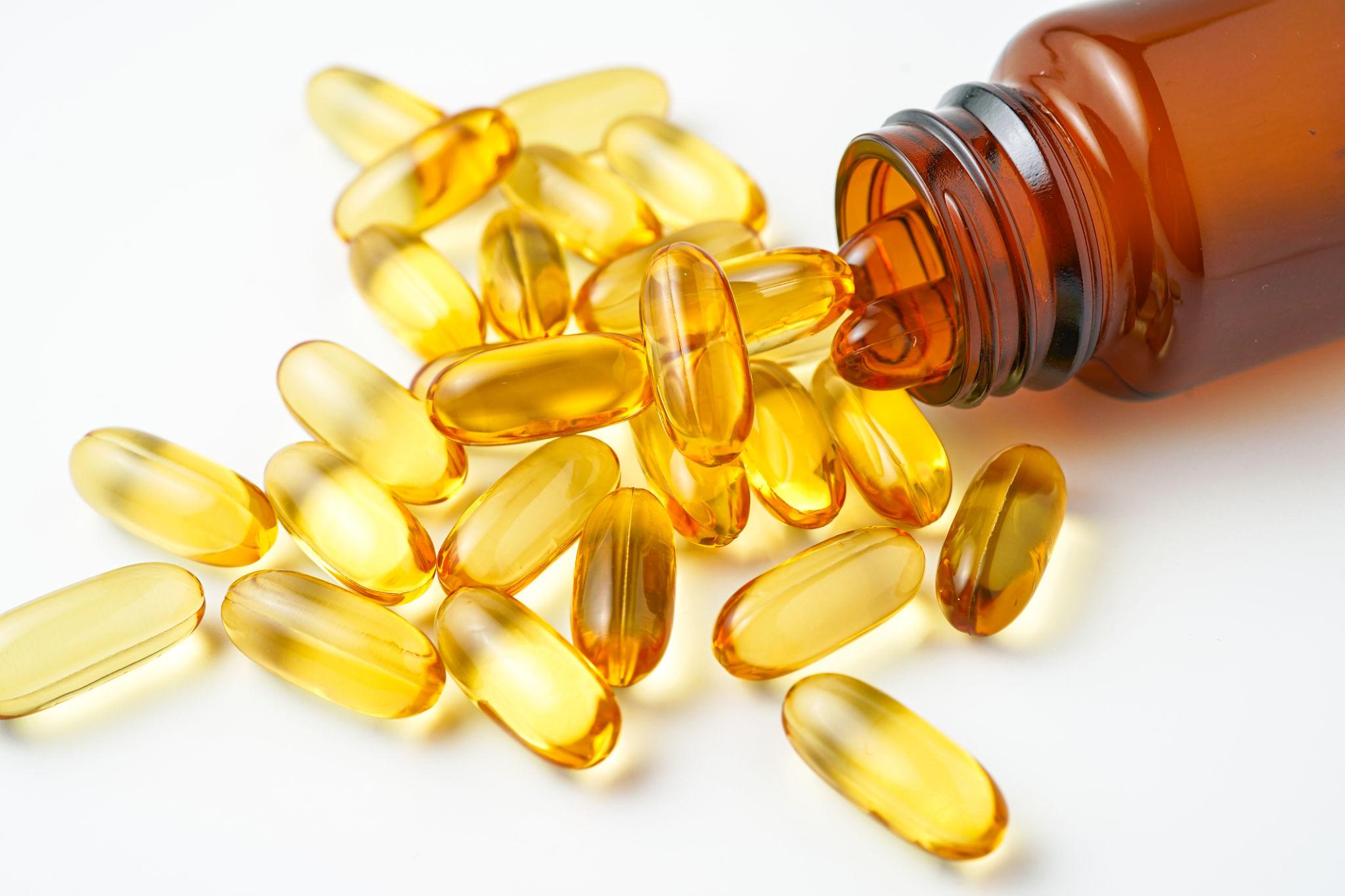
Gelatin capsules are dosage forms consisting of a gelatin-based shell that encapsulates active ingredients. They come in two primary types:
Hard capsules: Two-piece shells typically used for powders, granules, or pellets. They are easy to fill and widely used for dietary supplements and some medications.
Softgels (soft gelatin capsules): One-piece, flexible shells ideal for oil-based or liquid fills such as fish oil, vitamin E, or herbal extracts.
The gelatin shell protects sensitive ingredients from oxidation, masks unpleasant tastes, and improves swallowability, making medication and supplementation more consumer-friendly.
Pharmaceutical and nutraceutical companies prefer gelatin capsules for several compelling reasons:
Rapid dissolution in gastric fluids, leading to fast onset of action
Excellent oxygen and moisture barrier properties that extend shelf life
Superior bioavailability compared to some tablet forms
Cost efficiency in high-volume production
Flexibility for various fill materials (powders, liquids, semi-solids)
These advantages translate directly into better patient compliance and more stable products.
Is gelatin capsules halal? Only when the gelatin is sourced from halal-certified raw materials and processed under strict halal protocols. Is gelatin in vitamins halal? Many standard vitamin capsules use bovine or porcine gelatin whose source is not clearly certified, creating potential compliance risks. Is gelatin in medicine halal? It depends entirely on the supply chain. Medical necessity can sometimes allow conditional use, but certified halal options are increasingly preferred and required in many markets.
Product Type
Gelatin Use
Halal Status
Notes
Vitamin capsules | Hard/soft shell | Depends on source | High consumer scrutiny |
Medicines capsules | Drug delivery shell | Often unknown | Regulatory documentation critical |
Softgels (fish oil) | Encapsulation | Usually bovine | Fish or certified bovine preferred |
Halal-certified supplements | Controlled gelatin | Halal safe | Full certification recommended |
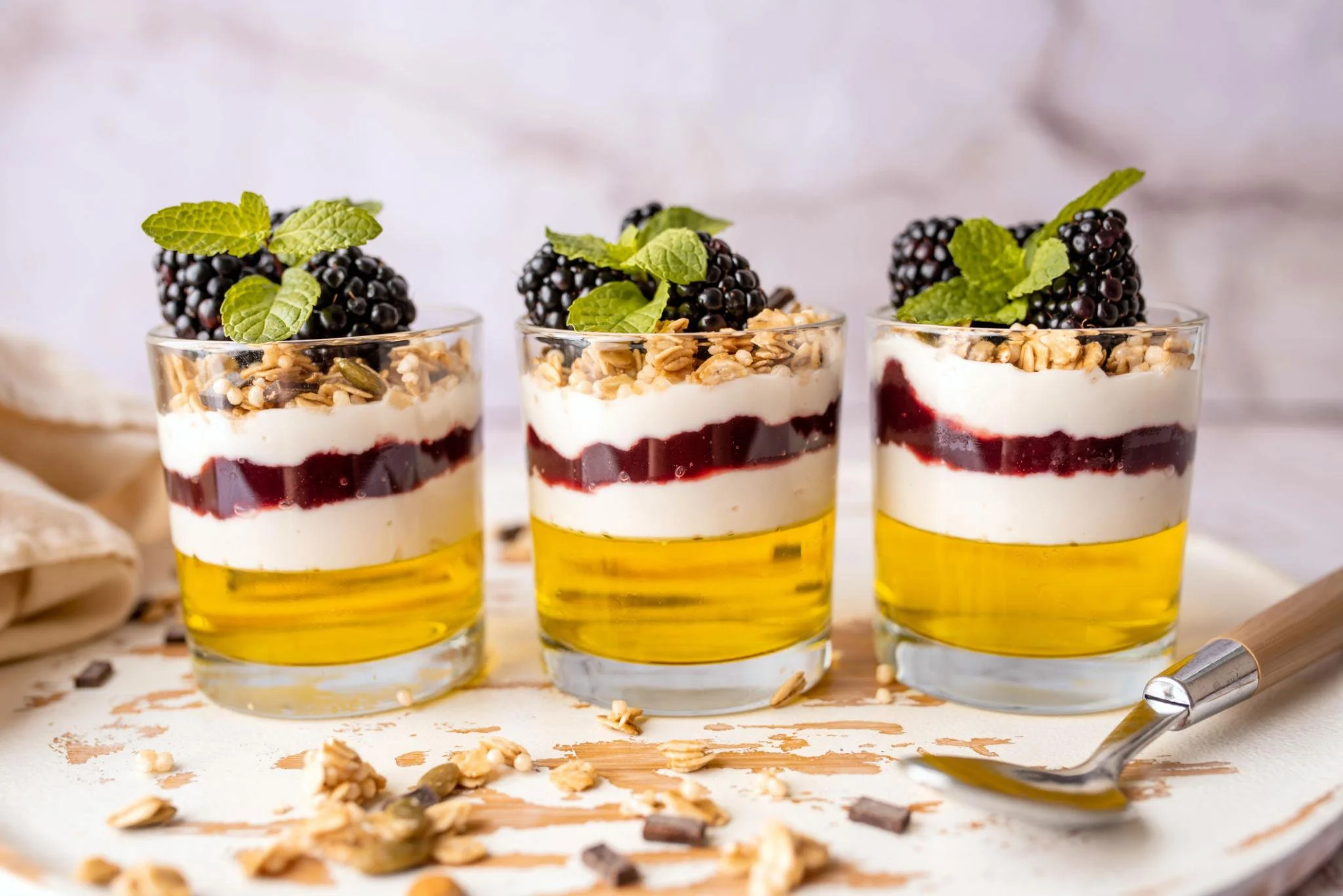
Gummy bears, jelly candies, and other chewy confections rely heavily on gelatin for their signature elastic texture. In many Western markets, porcine gelatin is common due to lower cost and high clarity. This makes many popular sweets non-halal by default. Manufacturers targeting broader markets are shifting to certified halal bovine gelatin or fish gelatin to expand distribution.
In yogurt production, gelatin acts as a stabilizer to improve texture, prevent whey separation, and create a smoother mouthfeel. While usage levels are low, the source still matters. Hidden animal-derived additives can affect the final halal status of dairy products, prompting many brands to specify halal-certified stabilizers.
Marshmallows depend almost entirely on gelatin to achieve their light, fluffy structure. Most conventional marshmallows use non-halal gelatin. Dedicated halal versions using certified bovine or fish gelatin have gained significant traction in Muslim-majority countries and among conscious consumers globally. B2B Insight: Food manufacturers evaluate gelatin based on Bloom strength (gel power), cost, sensory performance, and halal certification availability. Choosing the right supplier early prevents costly reformulation later.
Halal gelatin is gelatin produced from permissible sources under Islamic law. This includes gelatin from halal-slaughtered bovine animals, fish, or other approved sources, manufactured in facilities that prevent cross-contamination with haram materials.
Raw material source: Must originate from halal-slaughtered animals or fish
Slaughtering method: Zabiha (Islamic ritual slaughter) requirements
Cross-contamination control: Dedicated lines or validated cleaning protocols
Certification authority: Recognized bodies such as JAKIM, IFANCA, MUI, or HFA
Type
Halal Status
Notes
Pork gelatin | Haram | Strictly prohibited |
Bovine gelatin | Conditional | Must be from halal-slaughtered cattle |
Fish gelatin | Halal | Widely accepted across certifications |
Plant-based alternatives (agar, pectin, carrageenan) | Halal | Suitable for vegan claims |
Under Islamic jurisprudence, substances are classified as halal (permissible), haram (prohibited), or mushbooh (doubtful/uncertain). Gelatin’s classification depends on its origin and production. A major challenge in the global supply chain is that approximately 60–80% of commercial gelatin is porcine-derived, and many products simply label “gelatin” without specifying the source. This opacity creates widespread mushbooh situations. Forward-thinking manufacturers are responding by partnering with dedicated halal gelatin suppliers, investing in fish gelatin for premium segments, or developing plant-based alternatives where performance allows.
Raw material selection — High-quality bovine hides, bones, or fish skins with full traceability.
Pretreatment — Washing, degreasing, and acid/alkaline treatment to prepare collagen.
Extraction — Controlled hot water extraction to convert collagen into gelatin.
Filtration & purification — Removal of impurities, fats, and minerals.
Concentration, sterilization, drying & milling — Producing stable powder or sheets with consistent Bloom values.
Successful halal production requires strict controls at every stage: certified raw material sourcing, physical or procedural separation of halal and non-halal lines, rigorous cleaning validation, and comprehensive traceability systems from farm to finished product. Video Recommendation (for website embedding): “Gelatin Powder Production Process in Industrial Factory (B2B Overview)” — showcasing raw material handling, extraction lines, purification, drying systems, and quality control laboratories.
As a globally leading manufacturer of gelatin and collagen peptides, Hengxin Bio is committed to providing high-quality, halal-compliant raw materials for the food, healthcare, pharmaceutical, and nutraceutical industries worldwide.
Strategic factory location near abundant raw material sources, ensuring freshness, traceability, and cost efficiency.
Sustainable production through self-contained wastewater treatment systems that meet stringent environmental standards.
Superior product quality with highly customizable specifications (Bloom strength, viscosity, particle size) tailored to client needs.
High production capacity supporting stable, long-term global supply.
Dedicated technical support team offering formulation optimization and application development assistance.
Innovation-driven R&D center holding over 30 patents focused on advanced gelatin and collagen solutions.
Gelatin (various grades and Bloom values)
Hydrolyzed Gelatin
Collagen Peptides
Hydrolyzed Collagen Peptides
Bone Gelatin
Dicalcium Phosphate (DCP)