 zh-CN
zh-CN

Mar 04-2026
Invitation | Meet Shandong Hengxin Biological at FIC 2026 Shanghai (Booth: 21G40)
READ MORE >
Gelatin is used in pharmaceutical formulations and specialized biomedical applications, but material selection starts with the intended use. A gelatin suitable for an oral capsule should not automatically be treated as suitable for a vaccine formulation or a cell culture process.
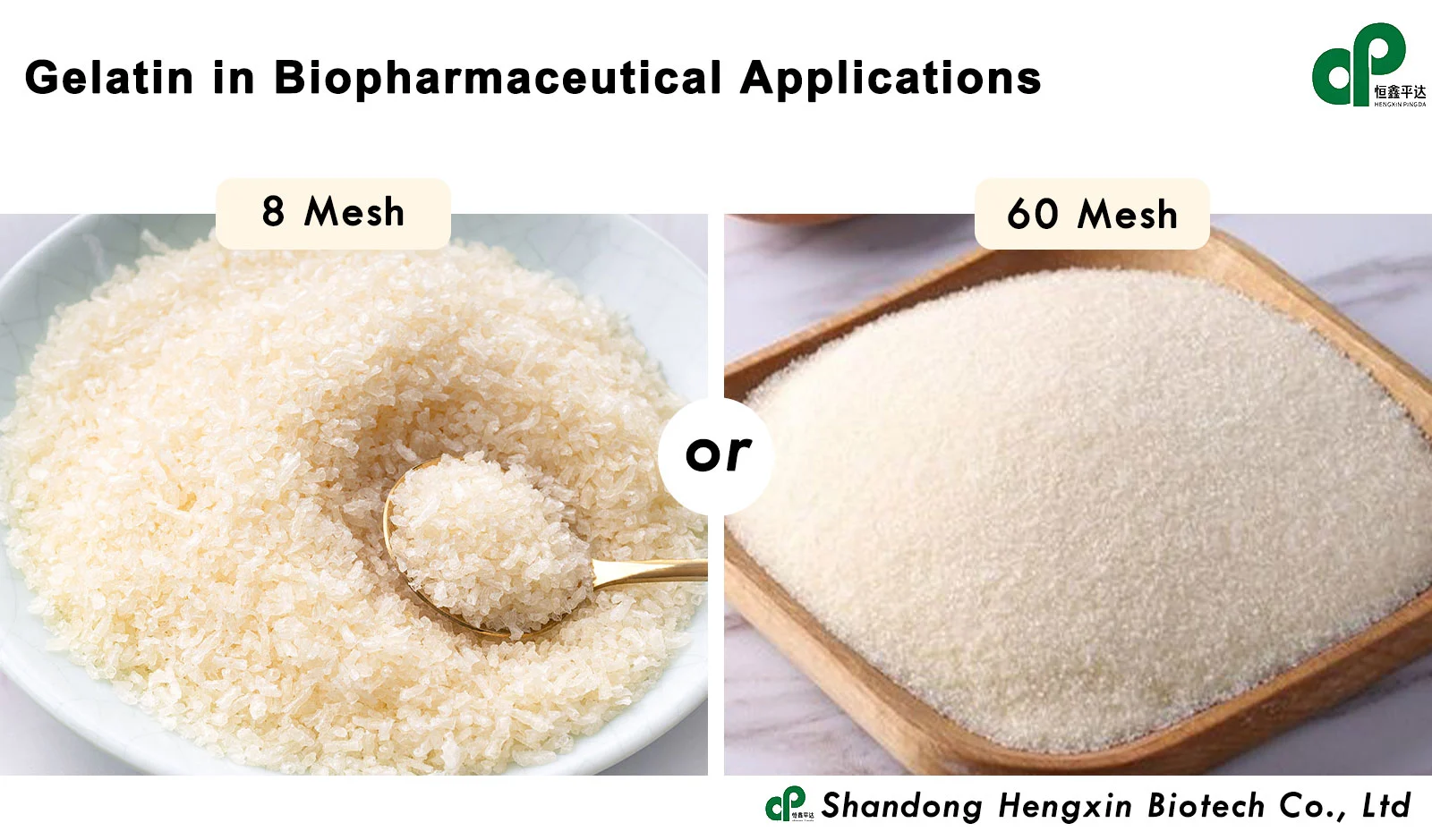
For formulation and procurement teams, the useful question is not simply whether gelatin offers benefits. It is whether a specific grade, supported by appropriate documentation and testing, fits the proposed application.
Oral dosage forms: Gelatin is used to form capsule shells. For softgels, its processing characteristics must be considered alongside the shell formulation and manufacturing conditions. Buyers working on oral products can begin with our soft capsule application overview or hard capsule application overview. These oral applications should be distinguished from specialized uses in biological products.
Vaccine formulations: Gelatin is one of the proteins used as a stabilizer in some vaccines. Stabilizers help protect a formulation during manufacture, storage, and transport. This role should not be confused with that of an adjuvant, which is used to enhance the immune response. A claim about gelatin in a particular vaccine should be supported by information about that product. Source: FDA, Common Ingredients in FDA-Approved Vaccines
Cell culture and biomedical development: Specialized gelatin grades are available for applications such as cell culture and biomedical development. For example, manufacturers offer endotoxin-controlled materials specifically for these uses. This illustrates why a general description such as "high-purity gelatin" is not enough to establish suitability for a particular process.
Prepare a short application brief before requesting samples. Include:
The intended use and, where relevant, the route of administration.
Whether the material is for research, process development, or commercial production.
The target market and the standards your quality team needs to assess.
The required material properties and agreed test methods.
The documents needed before laboratory or production evaluation.
This brief helps suppliers respond to a defined requirement instead of recommending a grade based only on a broad industry label.
Use the following checklist to organize your review. It's a starting point for discussion, not a universal release specification.
Review area | Information to request |
Material identity | Product name, grade designation, animal source, and manufacturing site |
Specifications | Current specification sheet, limits, units, and test methods |
Batch evidence | A certificate of analysis for the proposed sample or supply batch |
Traceability | Batch identification and available source documentation |
Application support | Written clarification of the uses the supplier supports |
Change management | How changes to source, site, process, or specifications are communicated |
Qualification gaps | Documents or test results still required by your own quality team |
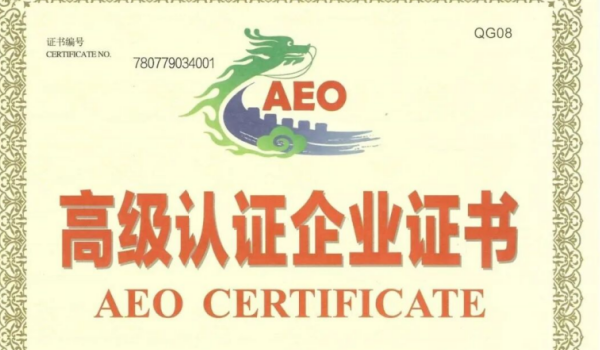
A certificate should be checked against the exact material being purchased. Don't assume that documentation for one grade covers every product supplied by the same company.
For US drug development, the FDA's Inactive Ingredient Database provides information about excipients used in approved drug products. Its records are organized by ingredient, route of administration, and dosage form.
A database entry is useful background, but it should not be presented as blanket approval of a supplier's gelatin or of a new formulation. Review the relevant record in the context of the proposed product.
Record what is supported, what remains uncertain, and what needs testing. Assign each open question to a document request or an evaluation step.
For example, "suitable for our application" should become a set of reviewable questions: Does the proposed grade meet the agreed specification? Does the sample perform in the intended process? Are the required supporting documents available? This approach produces a clearer purchasing decision than comparing general claims about quality, stability, or innovation.
Send Hengxin your intended application, target market, and required specifications through our contact page. Ask which grades and supporting documents are available for evaluation before selecting a material.
The significance of gelatin additives in the biopharmaceutical industry can't be overstated. From enhancing drug delivery systems to stabilizing vaccines and supporting cell cultures, gelatin offers a versatile and valuable resource for pharmaceutical formulators. As research continues to unveil new potentials and address challenges, gelatin's role in biopharmaceutical innovation will likely expand, paving the way for more effective and sustainable healthcare solutions. Understanding and leveraging the unique properties of gelatin will be essential for professionals looking to advance their products and meet the evolving demands of the industry.