 zh-CN
zh-CN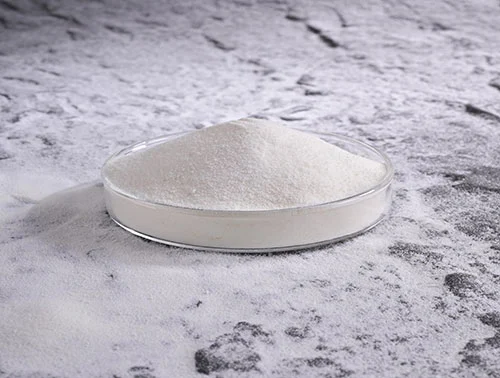
Sep 25-2026
Type I, II, and III Collagen Peptides: What's the Difference?
READ MORE >
Pea protein peptide is a low molecular weight, highly bioactive plant based protein peptide derived from Pisum sativum protein isolate using enzyme hydrolysis technology, also known as hydrolyzed pea protein. This technology breaks down intact pea protein into smaller, more easily absorbed peptide segments (typically 200–1000 Da), thereby achieving higher bioavailability and better processing properties than ordinary pea protein isolate.
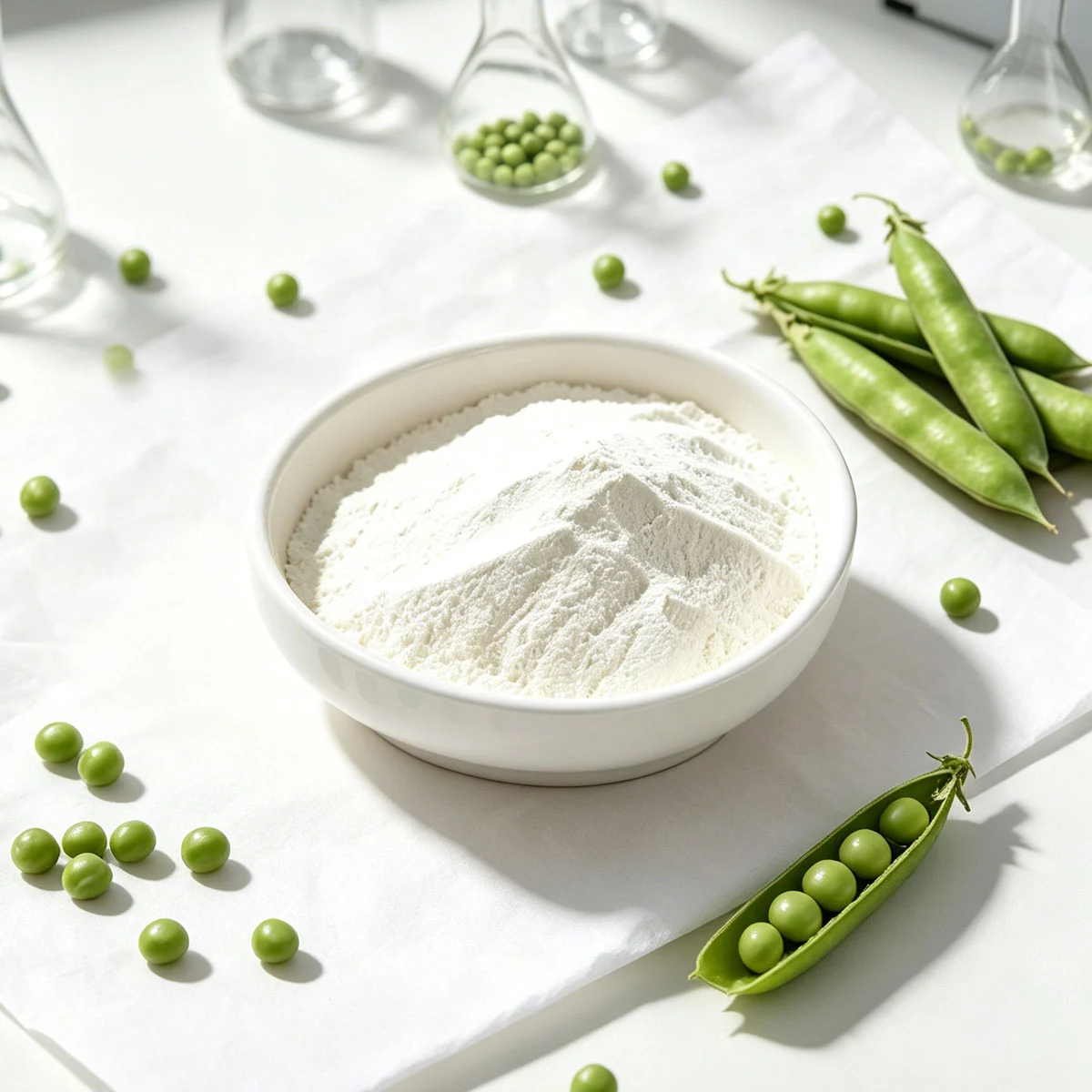
Rapid absorption: Dipeptides and tripeptides are absorbed significantly faster than intact proteins or free amino acids, with notable effects on muscle protein synthesis. The PDCAAS score ranges from 0.89 to 1.0.
Rich amino acid profile: Pea peptides are pre-digested short-chain amino acid sequences containing all nine essential amino acids that the human body cannot synthesize, making them a complete plant protein. The arginine they contain helps dilate blood vessels and improve blood supply to muscles.
Allergen-free: Free from the eight major allergens (soy, dairy, gluten, eggs, peanuts, tree nuts, fish, shellfish, and wheat). A truly natural, green, vegetarian product.
High solubility: Solubility in water is >99% (pH 2.0–9.0). Even in acidic beverages, it dissolves completely without any precipitation. It exhibits good emulsifying, foaming, and water-holding properties.
No off-flavors: Uses advanced deodorization and debittering technology, resulting in extremely low beany and bitter tastes. The flavor is clean and neutral. Even at high addition levels, large amounts of masking agents are not required.
High bioactivity: Possesses antioxidant properties (DPPH free radical scavenging rate up to 98%).
Thermal and pH stability: Remains soluble and bioactive under processing conditions such as UHT sterilization, pasteurization, or acidic formulations.
Hengxin Pea Protein Peptide follows a multi-step refined process to ensure that the nutrients are not compromised while achieving optimal peptide yield and functional properties. We are committed to providing customers with reliably high-quality finished products.
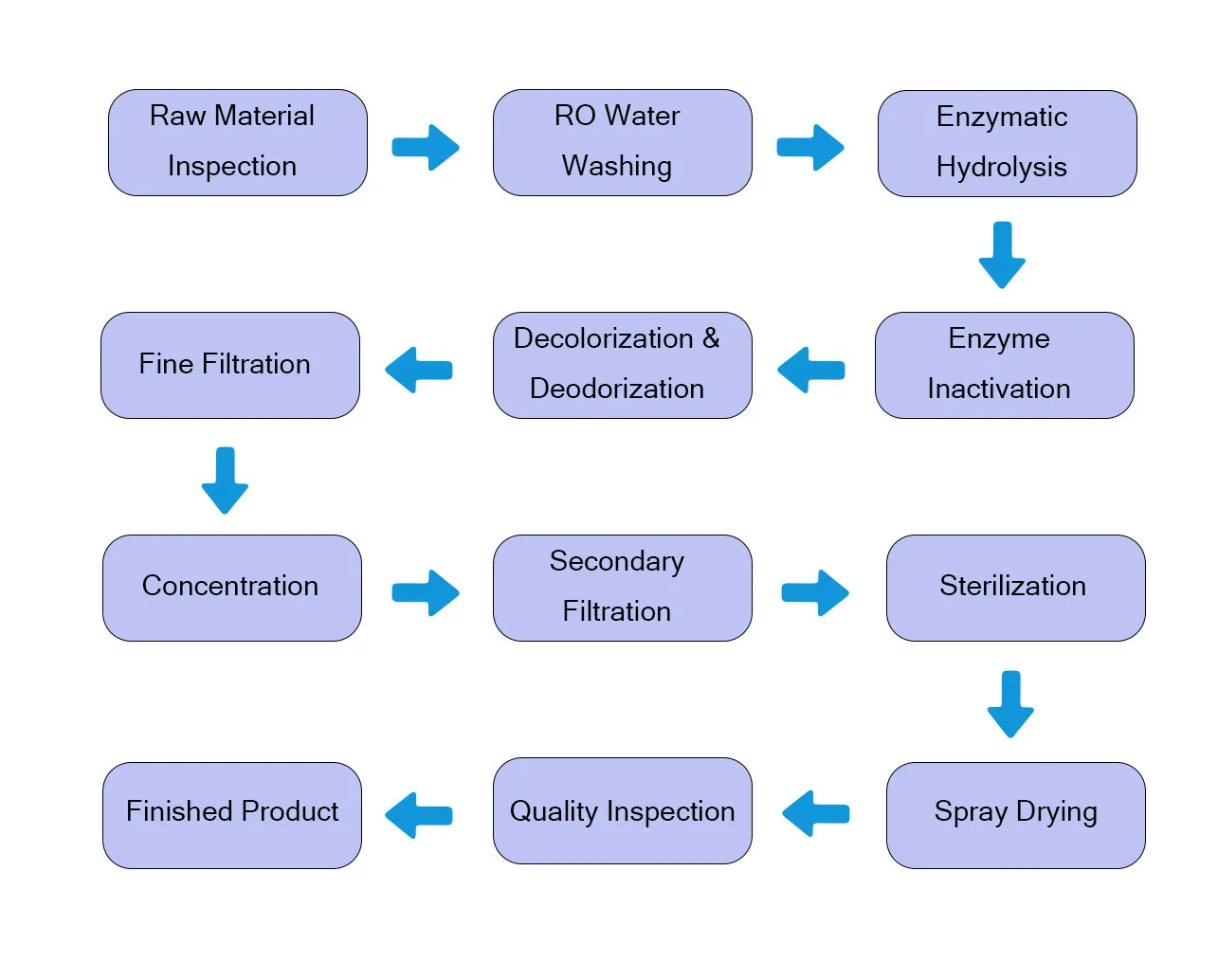
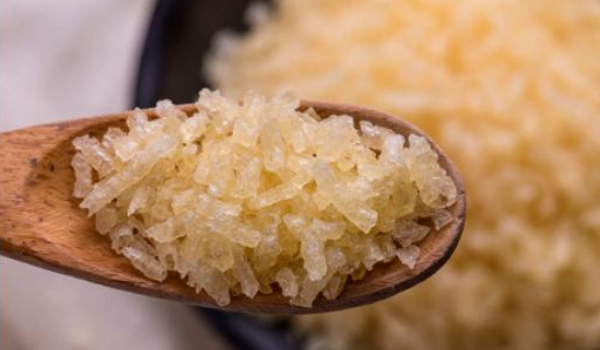
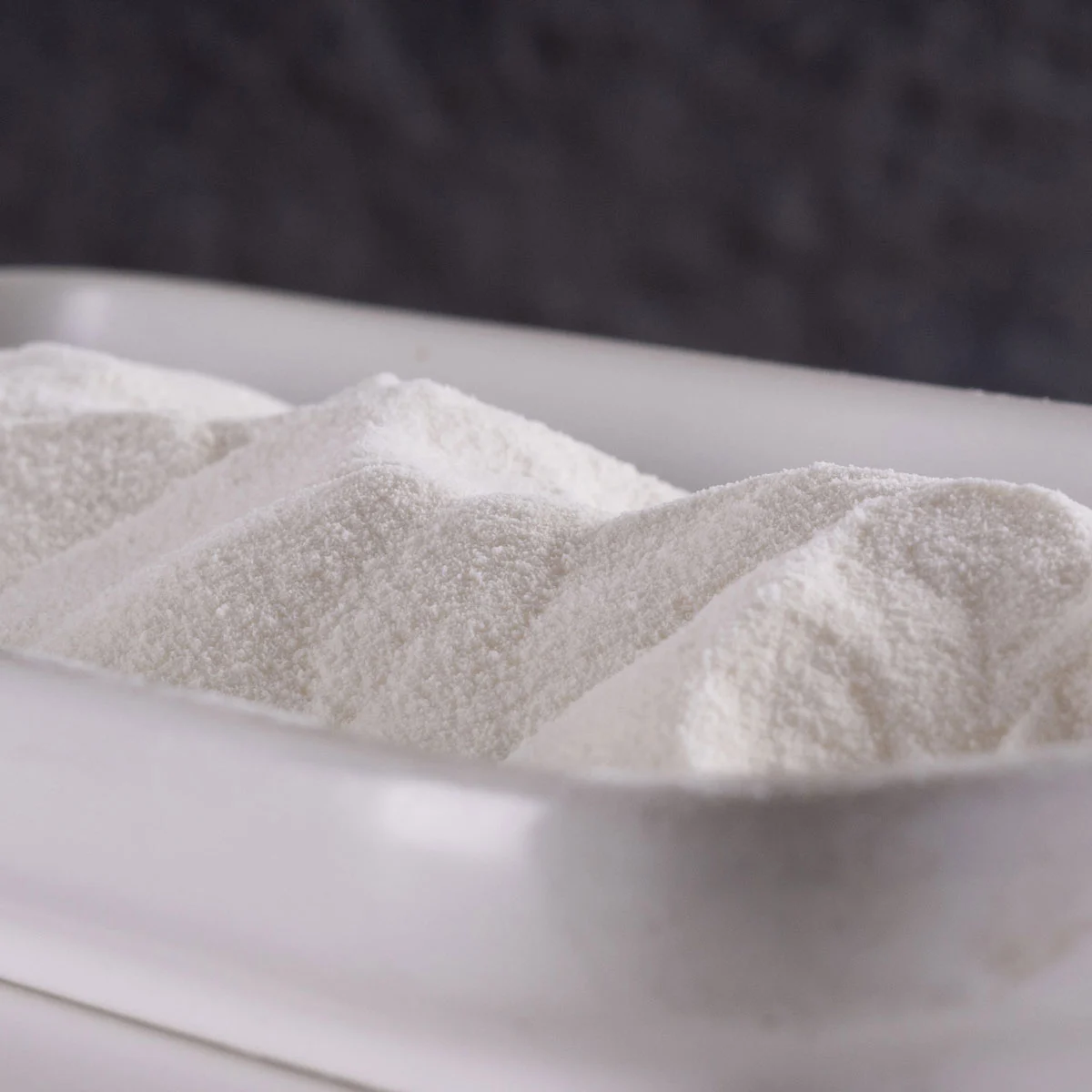
Using a variety of refined processes, the pea peptides we produce are white or light yellow in color and dissolve rapidly within 30 seconds under 10% solution testing. No bitterness is detectable in sensory tests, making them widely used across multiple industries.
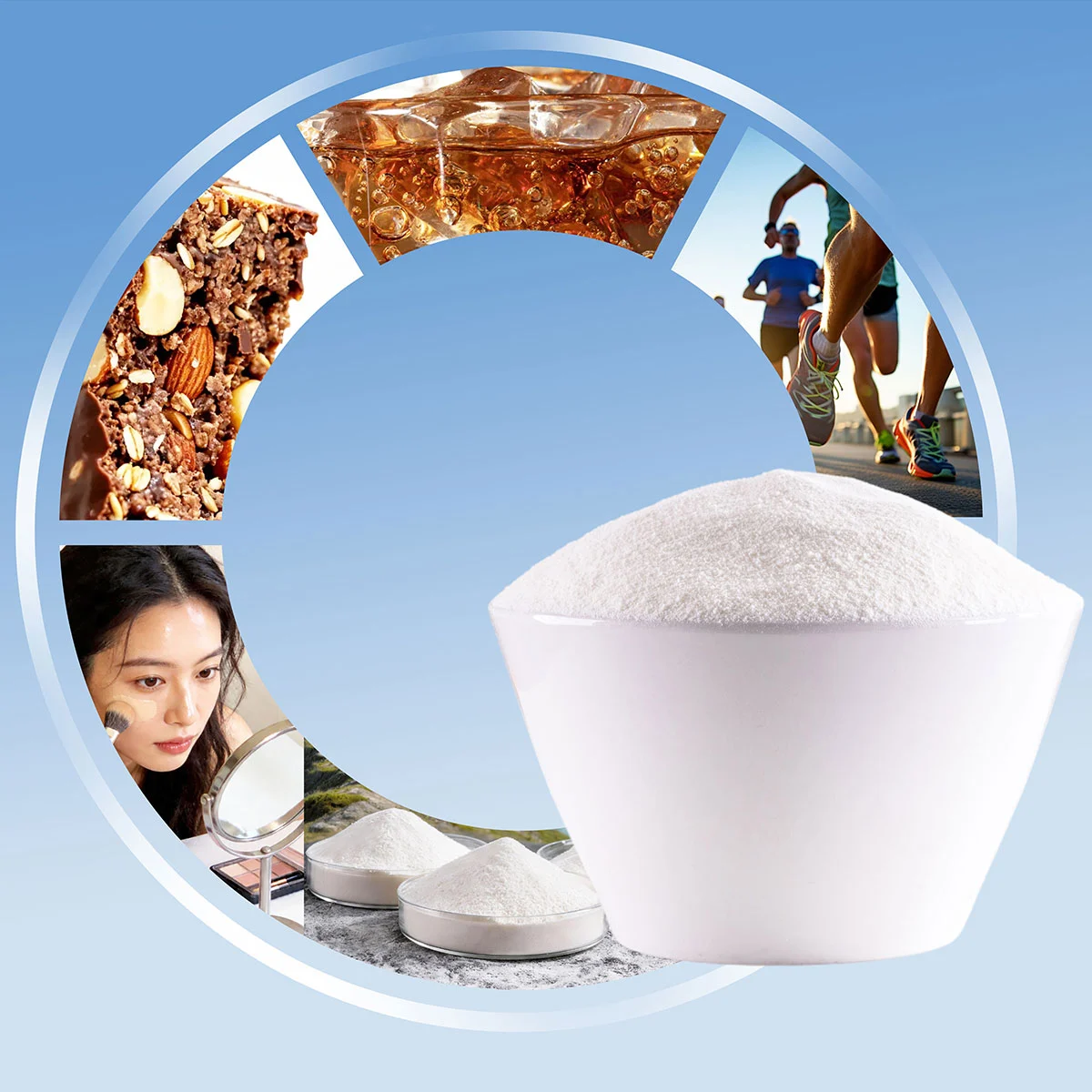
As a novel and safe plant peptide, pea protein peptide offers advantages such as rich nutrients, low cost, water solubility, and easy absorption. It is frequently used as a supplement, emulsifier, and functional ingredient in the food and beverage industries.
Food Supplements
With its fast digestibility and low allergenic properties, pea peptide improves mouthfeel and provides various physical characteristics when added to food. Pea protein also serves as a meat substitute, delivering high-quality protein and carbohydrates for individuals who cannot consume other protein sources. It has already been incorporated into ingredients such as protein powder, beef patties, salad dressings, and smoothies.
Food Emulsifiers
Pea protein peptide enhances the viscosity, structural stability, mouthfeel, foaming, and coagulation of food, which is crucial for food production. Products such as cakes, chocolate spreads, cream puffs, and gummy candies benefit from the stable foam structure that pea peptide helps form.
Functional Beverages
With a very small molecular weight (200–1000 Da), pea protein peptide is rapidly absorbed, making it highly effective for muscle recovery and sports nutrition. Moreover, when dissolved in clear liquids, pea peptide disperses evenly without settling or precipitation.
Looking for a technical comparison? Review our plant-based peptides guide to see how pea protein compares with rice, soy, and other botanical raw materials regarding sourcing and formulation stability.
High-Quality Raw Materials
Every batch of raw materials used by Hengxin undergoes rigorous identity testing, protein content verification, and contaminant screening. Their origin is fully traceable.
Automated Equipment
Hengxin utilizes fully enclosed, fully automated production equipment. From material feeding, enzymatic hydrolysis, membrane separation, decolorization and deodorization, to spray drying, the entire process is monitored by a central control room. This prevents cross-contamination and ensures product stability and solubility.
Strict Quality Control & Certifications
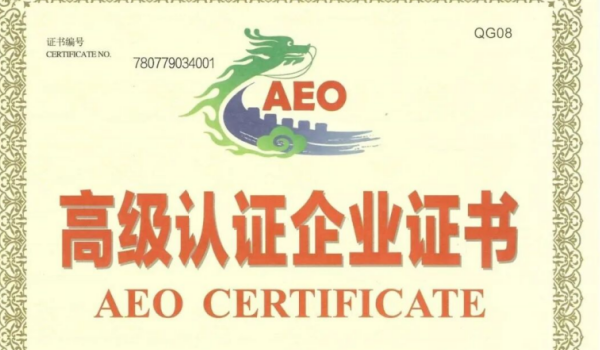
Every batch produced by Hengxin is tested for protein content, peptide content, molecular weight distribution, amino acid profile, heavy metals, and microorganisms. The facility holds ISO 9001, ISO 22000, HACCP, HALAL, and Kosher certifications.
Technical Support
Hengxin can provide complete technical specification sheets and stability study data reports based on customer needs. These cover trends in key parameters such as peptide content, solubility, microbiology, and sensory properties, helping you determine the product's shelf life and storage conditions.
Reliable Supply & Output
With ample production capacity and strategic inventory, the logistics team can ship worldwide, providing commercial invoices, packing lists, COAs, certificates of origin, MSDS, and customs clearance documents. Typical lead time is 7–15 days.
Sample Support
Hengxin truly values customer experience and needs. Free samples of 100–500 g are provided for quality testing and formulation trials, typically shipped within 2–3 business days.
Test Category | Items | Standards |
Physicochemical Properties | Protein content, peptide content, oligopeptide content, molecular weight distribution, moisture, ash, fat, pH, solubility, bulk density | GB/T 22492 / AOAC 990.03 / HPLC-SEC |
Heavy Metals | Lead, arsenic, cadmium, mercury, total heavy metals | ICP MS / GB 5009 |
Microbiology | Total plate count, coliforms, Salmonella, yeast and mold, Staphylococcus aureus | ISO 4833 / GB 4789 |
Toxin Residues | Aflatoxins B1/B2/G1/G2, ochratoxin A, pesticide residues (BHC, DDT, and other organochlorine pesticides) | LC MS/MS / GC MS |
Allergens | Soy, gluten, dairy, peanuts, tree nuts | ELISA |
Sensory | Color, odor, taste, texture/appearance | Sensory evaluation |
Item | Result | Reference |
Appearance | Off-white | Off-white to light yellow powder |
Odor/Taste | Mild, no off odor | Clean and mild, no undesirable odor |
Protein | ≥86% | 86.0–90.0% |
Peptide content | ≥83% | 82.0–86.0% |
Oligopeptide content | ≥75% | 72.0–78.0% |
Molecular weight<3000 Da | ≥92% | 92–95% |
Moisture | ≤5.0% | 3.0–5.0% |
Ash | ≤5.0% | 4.0–5.5% |
Fat | ≤1.0% | 0.5–1.0% |
pH (10% solution) | 6.0-7.0 | 6.5-7.5 |
Particle size | 100% passes through 80 mesh screen | ≥98% passes through 80 100 mesh screen |
Lead | ≤0.5 mg/kg | <0.3 mg/kg |
Arsenic | ≤0.3 mg/kg | <0.2 mg/kg |
Chromium | ≤0.1 mg/kg | <0.05 mg/kg |
Mercury | ≤0.1 mg/kg | <0.02 mg/kg |
Salmonella | Negative/25g | Negative |
E. coli | Negative/25g | Negative |
Pea peptides offer easy absorption, low cost, good water solubility, rich nutritional content, and high bioactivity. They are commonly used in food supplements, food emulsifiers, functional beverages, pharmaceuticals, and the beauty/cosmetics industry. When added to skincare products, protein peptides provide anti-aging, antioxidant, and deep moisturizing benefits.
High-quality pea protein peptide can serve as a meat substitute, providing a protein source for individuals who cannot consume other proteins. Used as a food supplement and emulsifier, it improves mouthfeel and increases viscosity. Pea peptide can also form an invisible protective film on the human scalp that coats the hair, making the hair, eyelashes, and eyebrows soft and shiny.
To determine whether a pea peptide company is legitimate, you can evaluate it across four dimensions: relevant operating qualifications, quality testing and third‑party reports, production capacity assessment, and on‑site inspection. The pea peptide industry involves many uncertainties, so careful consideration is needed before making a choice.
1. Operating Qualifications
Verify whether the supplier possesses genuine operating qualifications and whether the business scope includes pea peptides.
Prioritize suppliers with international certifications. Certificates such as ISO 22000, Halal, and ISO 9001 are very important references.
2. Quality Testing and Third‑Party Reports
Request from the supplier the relevant product technical specifications, testing methods, and safety data sheets.
Ask the supplier to provide a Certificate of Analysis (COA) for each batch of finished products, ensuring that the report includes four key indicators: sensory properties, physicochemical parameters, microbiological criteria, and contaminant limits.
3. Production Capacity Assessment
Evaluate whether the supplier's existing production capacity can meet your order volume and delivery schedule.
Assess the reliability of the manufacturer's supply chain management, confirming whether they have stable raw material suppliers, effective inventory management, and a production scheduling system.
Examine whether the supplier has production experience with similar products and processes, and whether they have served customers in similar industries or have past delivery cases to reference.
4.On‑Site Inspection
For suppliers that are intended for long‑term cooperation and have passed the first three evaluation criteria, it is recommended to arrange a factory on‑site inspection.