 zh-CN
zh-CN
Jan 24-2026
Optimizing Texture Profiles: The Rheological Impact of Standardized Bloom Strength in Industrial Food Applications
READ MORE >
From chewy gummy candies and marshmallows to smooth yogurt textures and hard capsules, bone gelatin is far more common in daily life than most people realize. Yet because it originates from animal bones, it often raises questions about safety, purity, and long-term health effects.
Is bone gelatin safe for human? The answer is yes. Bone gelatin is generally safe for human consumption when it comes from regulated sources and reputable manufacturers, and when it is consumed appropriately in food or pharmaceutical products. Its safety and widespread use are supported by decades of industry practice and global food safety regulations.
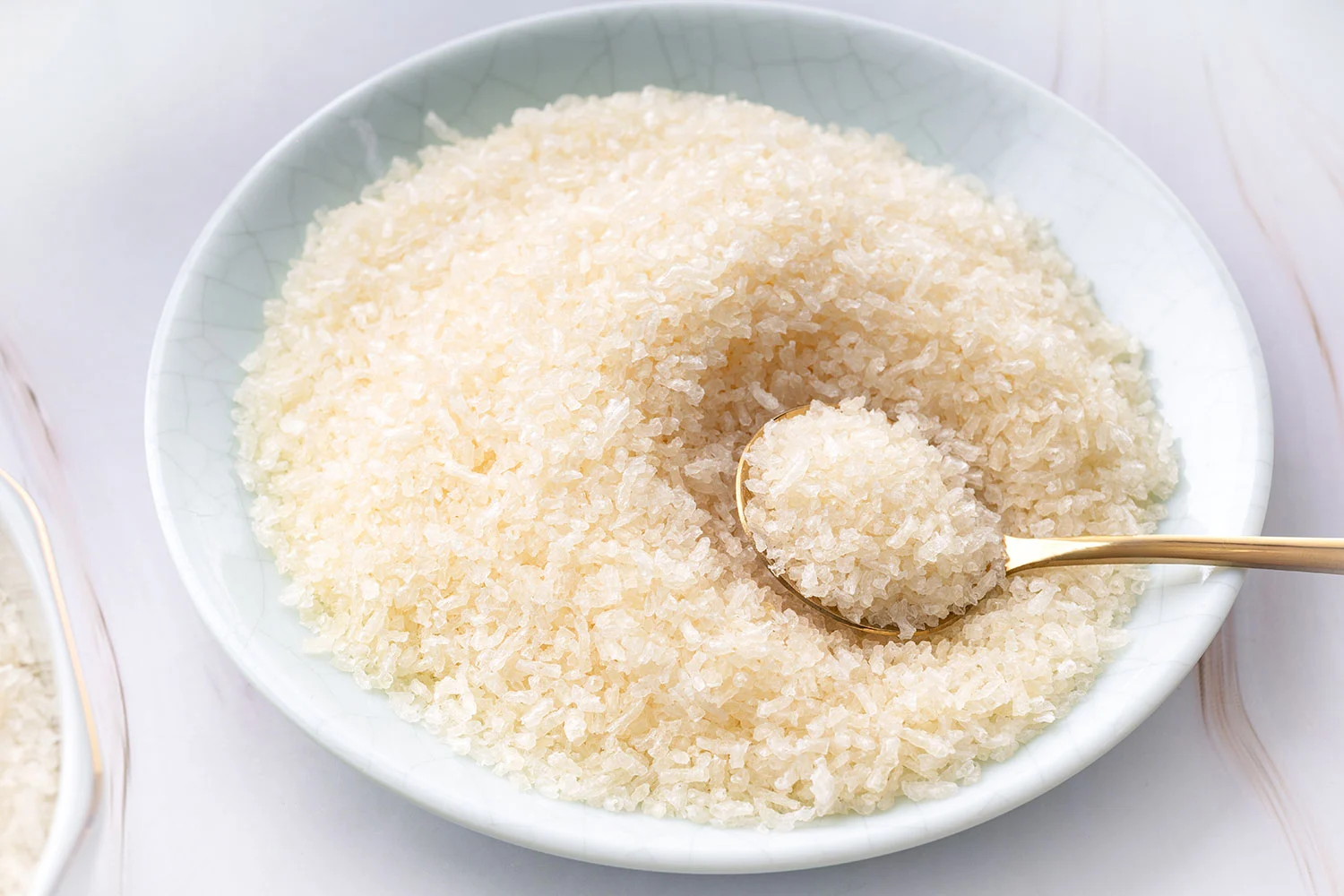
This article takes a clear, practical look at whether bone gelatin is safe to eat, how it is produced, what risks (if any) exist, and how consumers and manufacturers can make informed choices.
As consumers become more ingredient-aware, they increasingly want to know where food additives come from and how they are made. Bone gelatin, despite its long history, sometimes sounds unsettling simply because of its name.
Common questions include:
Is gelatin made from bones safe?
Can bone gelatin carry diseases?
Does it contain heavy metals?
Is it suitable for long-term consumption?
Most of these concerns stem not from evidence, but from a lack of visibility into the production process. Once that process is understood, many of these worries become easier to put into perspective.
Bone gelatin is a protein-rich substance derived from collagen, which is naturally present in animal bones and connective tissue. Through controlled processing, collagen is broken down into gelatin, a substance valued for its ability to gel, stabilize, and form films.
Common Raw Materials
Bovine bones (cattle)
Porcine bones (pigs)
Fish bones
Poultry bones
Each source produces gelatin with slightly different functional properties, but the underlying safety principles remain the same.
Multiple global authorities regulate bone gelatin and classify it as safe:
U.S. FDA: Recognizes food-grade gelatin as Generally Recognized As Safe (GRAS).
European Food Safety Authority (EFSA): Establishes purity and labeling requirements for gelatin in food.
National bodies also set limits on contaminants and microbial safety.
These regulations ensure that gelatin used in food and pharmaceuticals reaches consumers without undue risk.
The production process involves high-temperature extraction and chemical treatment, which effectively deactivates bacteria and potential pathogens. Because bone gelatin is derived from collagen — not nerve tissue — and undergoes extensive processing, fears of disease transmission (such as BSE) are not supported when sourced and manufactured correctly.
This aligns with conclusions from global scientific reviews on the safety of fermented and hydrolyzed proteins in food.
How Bone Gelatin Is Produced — and Why the Process Matters
The safety of bone gelatin depends largely on how it is made. Modern industrial production follows strict, standardized procedures designed to eliminate biological and chemical risks.
1. Source Control
Only bones from animals approved for the human food chain are used. These animals undergo veterinary inspection and must meet national and international food safety standards.
2. Cleaning and Demineralization
Bones are thoroughly cleaned and treated with acid or alkaline solutions to remove fats, minerals, and surface contaminants.
3. High-Temperature Extraction
Collagen is extracted using prolonged heating—often above 100°C—which effectively destroys bacteria, viruses, and other pathogens.
4. Filtration and Sterilization
Multiple filtration steps remove impurities before the gelatin solution is sterilized.
5. Testing and Compliance
Final products are tested for microbiological safety, heavy metals, and purity before being approved for sale.
This multi-step process is the primary reason why food-grade bone gelatin is considered safe by global regulators.
Further reading: Is Gelatin Made From Bones? A Complete Guide to Bone Gelatin Production, Sources, and Uses
Mad Cow Disease (BSE): A Common but Misunderstood Concern
When discussing animal-derived ingredients, especially those sourced from bovine materials, concerns about Bovine Spongiform Encephalopathy (BSE)—commonly known as mad cow disease—are often raised. This is understandable, but in the case of bone gelatin, the concern is largely based on misunderstanding rather than scientific evidence.
First, it is important to clarify where BSE risk actually originates.
Prion diseases such as BSE are associated with specific high-risk tissues, primarily the central nervous system, including the brain, spinal cord, and certain nerve tissues. Bones themselves are not classified as specified risk materials (SRMs) under international food safety regulations.
Second, raw material sourcing is tightly regulated.
Gelatin manufacturers are required to source bovine bones only from BSE-controlled or negligible-risk countries, as defined by organizations such as the World Organisation for Animal Health (WOAH). Animals must be healthy, slaughtered for human consumption, and fully traceable throughout the supply chain. These controls significantly reduce any potential exposure at the very first stage.
More importantly, the gelatin manufacturing process itself provides multiple safety barriers.
The production of bone gelatin involves prolonged chemical treatments (acid or alkaline processing) combined with high-temperature extraction steps. Scientific assessments have shown that these conditions inactivate or drastically reduce prion infectivity, even under worst-case theoretical scenarios. In other words, gelatin production is not a simple mechanical process—it is a multi-step purification and transformation process that further mitigates risk.
Because of these layered safeguards, global regulatory authorities have consistently reached the same conclusion. Both the World Health Organization (WHO) and the European Food Safety Authority (EFSA) have stated that gelatin produced in compliance with established regulations does not pose a risk of transmitting BSE, regardless of whether it is used in food, pharmaceutical, or nutraceutical applications.
When bone gelatin is manufactured from approved raw materials, sourced from regulated regions, and produced under validated industrial processes, it is widely recognized as safe and compliant with international health standards. The link between bone gelatin and BSE is therefore theoretical rather than practical, and not supported by real-world scientific or regulatory evidence.
Bones can accumulate trace minerals, which could include heavy metals. However, industrial gelatin production includes demineralization and rigorous testing.
Typical Regulatory Limits (Illustrative)
Metal | FDA Limit (ppm) | WHO Guideline (ppm) |
Lead | 0.5 | 0.01 (infant food) |
Mercury | 0.1 | 0.05 |
Arsenic | 0.2 | 0.02 |
Reputable manufacturers test for these and other contaminants before releasing products for human consumption.
Allergic reactions to bone gelatin are relatively uncommon but can occur. People who are allergic to beef, pork, or fish should be aware of the source material. Gelatin derived from fish bones is sometimes used as an alternative to reduce allergy risk.
Some people avoid certain gelatin sources for cultural or religious reasons:
Halal requirements: Porcine gelatin is prohibited; beef gelatin must be halal-certified.
Kosher standards: Pork-derived products are not permitted.
Vegan/vegetarian diets: Bone gelatin is animal-derived, so plant-based alternatives like agar-agar or pectin are used instead.
While bone gelatin's primary role in products is functional, it also contributes nutritional value as a protein source and contains many amino acids:
Protein and Amino Acids: Gelatin contains essential amino acids like glycine and proline, which are components of connective tissues.
Digestive Comfort: Some traditional diets and gut-support protocols include gelatin to aid digestion (though more clinical research is needed).
Joint and Skin Support: Collagen-derived peptides from gelatin are sometimes associated with joint comfort and skin elasticity support when used as part of a balanced diet.
Selecting safe products is as important as the ingredient itself. Here are practical tips:
1. Check Labels and Certifications
Look for Food-grade or Pharmaceutical-grade labeling.
Certifications like ISO 22000, HACCP, Halal, or Kosher help verify sourcing and processing standards.
2. Source Transparency
Brands that disclose animal sources (e.g., bovine, porcine, marine) give consumers clearer information about dietary and ethical implications.
3. Avoid Ambiguous Ingredients
Products with vague “natural flavors” or unspecified sources could be less transparent in quality control.
Bone gelatin isn't a new ingredient. It has a long history of safe use in global food systems and pharmaceutical manufacturing, thanks to rigorous production and regulatory frameworks. As a functional protein, it also offers nutritional value when consumed in moderation.
Whether in a gummy candy or a softgel capsule, bone gelatin's safety profile is well-established when produced according to accepted food safety standards — and when consumers make informed choices about the products they choose.
Bone gelatin's safety doesn't rest on myths about its origin but on real-world food science, controlled manufacturing, and rigorous regulatory oversight. When sourced responsibly and consumed in appropriate amounts, it remains a dependable ingredient enjoyed by millions worldwide.