 zh-CN
zh-CN


Feb 11-2025
Understanding Food Additive Gelatin: Uses, Benefits, and Considerations
READ MORE >
The functional nutrition market has experienced explosive growth over the past decade. Consumers are no longer satisfied with basic macronutrient delivery; they seek products that actively support health goals such as active aging, enhanced sports performance, effective weight management, improved gut health, and overall daily wellness. What began as a niche segment catering primarily to athletes has now expanded into the mainstream, with millions of health-conscious individuals incorporating functional foods and supplements into their daily routines.Market analysts project the plant-based protein sector, including specialized peptides, to continue its robust expansion with CAGRs exceeding 8% through the 2030s. This surge is fueled by greater awareness of sustainability, ethical sourcing, and the desire for clean-label ingredients that align with modern lifestyles.
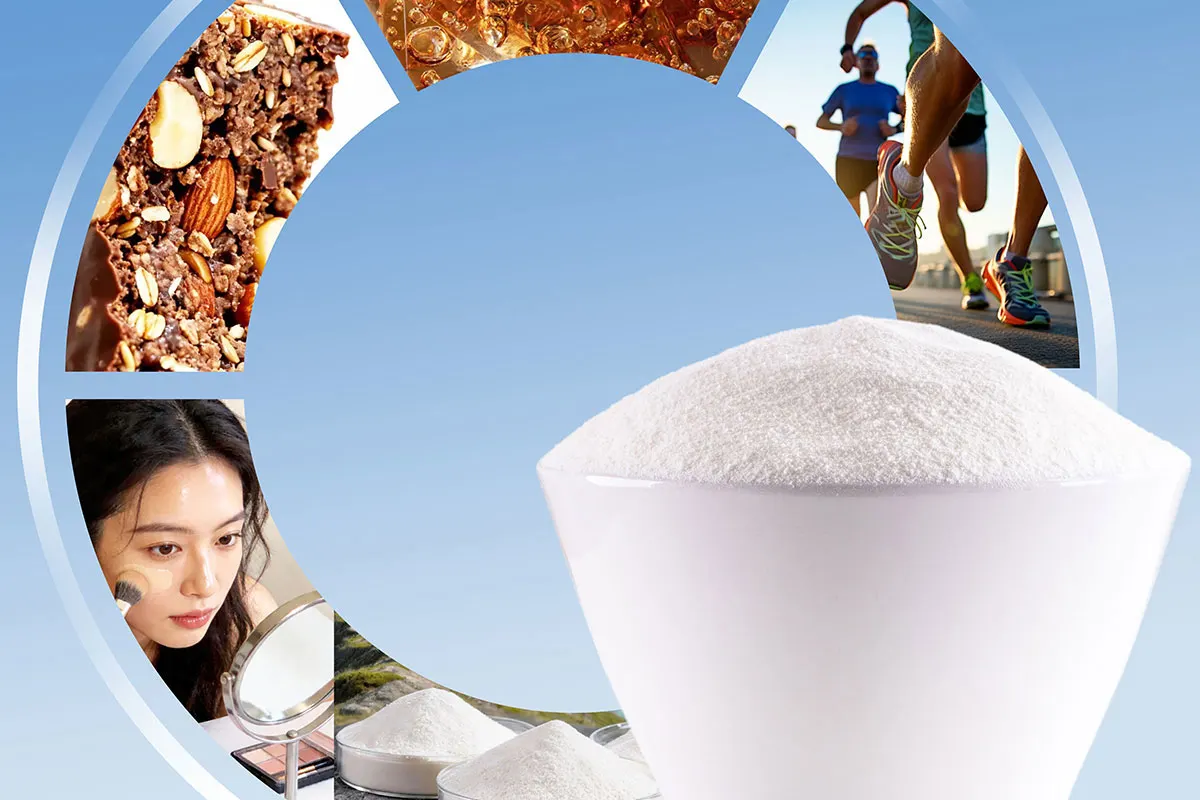
Today's consumers prioritize several key areas:
Active Aging: Older adults seek easily digestible proteins to maintain muscle mass and vitality.
Sports Performance: Athletes demand fast-absorbing proteins for recovery and endurance.
Weight Management: High-satiety, low-calorie options that support metabolic health.
Gut Health: Ingredients that promote microbiome balance alongside protein delivery.
Daily Wellness: Preventive nutrition for immune support and energy.
This shift has pushed brands to innovate beyond conventional proteins, seeking solutions that deliver superior functionality without compromising on taste, texture, or environmental impact.
Allergens | High (Lactose, Casein) | Varies |
Lactose Intolerance | Common | N/A |
Sustainability Concerns | Increasing | Moderate to High |
Vegan Demand | Not Compatible | Growing Pressure |
In response, forward-thinking brands are turning to innovative plant-derived solutions like Pea Protein Peptides that address these pain points while offering enhanced performance characteristics.
Pea Protein Peptides represent a next-generation advancement in plant-based nutrition. Produced through the careful enzymatic hydrolysis of high-quality pea protein isolates, these bioactive short-chain peptides deliver superior functional properties compared to their parent proteins. The hydrolysis process breaks down larger protein structures into smaller, more bioavailable peptides with molecular weights typically under 3,000 Daltons, dramatically improving their utility in modern formulations.Key advantages over conventional pea protein isolate include:
Significantly lower molecular weight for faster absorption
Exceptional water solubility across a wide pH range
Rapid digestion and higher bioavailability
Reduced bitterness and improved sensory profile
Greater flexibility for complex product development
One of the most compelling reasons for the rising popularity of Pea Protein Peptides is their exceptional digestibility. Unlike intact proteins that require extensive breakdown in the digestive tract, these small peptides are readily absorbed in the small intestine. Studies indicate that hydrolyzed pea peptides exhibit improved protein digestibility-corrected amino acid scores (PDCAAS) and digestible indispensable amino acid scores (DIAAS), often approaching or matching high-quality animal proteins.This rapid absorption translates to quicker delivery of essential amino acids, particularly branched-chain amino acids (BCAAs) like leucine, which play a critical role in muscle protein synthesis. For consumers, this means better utilization of the protein they consume, reduced digestive discomfort, and more noticeable benefits from supplementation.
Formulation scientists appreciate Pea Protein Peptides for their outstanding solubility. Traditional pea protein isolates can suffer from grittiness or sedimentation in liquid applications, but peptides disperse effortlessly, creating smooth textures in ready-to-drink (RTD) beverages, protein shots, liquid supplements, and powdered mixes.
Solubility | Medium | High |
Stability | Good | Excellent |
Formulation Flexibility | Moderate | High |
In an era where dietary restrictions are increasingly common, Pea Protein Peptides stand out as a truly inclusive ingredient. They are naturally vegan, dairy-free, gluten-free, and carry a low allergen risk profile compared to whey, milk, or soy proteins. This makes them ideal for products targeting sensitive populations, including children, the elderly, and those with multiple food sensitivities.
Consumers today scrutinize ingredient lists more than ever. Pea Protein Peptides align perfectly with clean label trends — they are minimally processed, derived from sustainable sources, and require no artificial additives to deliver their benefits. Brands can highlight "plant-based peptides" on packaging to signal premium quality and transparency.
Pea cultivation requires significantly less water and land compared to animal agriculture and many other crops. Peas also contribute to soil health through nitrogen fixation, reducing the need for synthetic fertilizers. Choosing pea-based ingredients helps brands meet ESG targets and appeal to environmentally conscious consumers.
Pea Protein Peptides excel in post-workout recovery formulas due to their rapid absorption and rich BCAA content. They support muscle repair without the bloating sometimes associated with other proteins, making them popular in performance powders, recovery drinks, and endurance gels.
With global populations aging, there is growing demand for senior-friendly nutrition. Pea Protein Peptides provide easily digestible protein crucial for combating sarcopenia while being gentle on the digestive system — perfect for medical foods and daily wellness shakes for older adults.
The peptides promote satiety through various mechanisms, helping consumers feel fuller longer. This makes them valuable in meal replacement shakes, functional snacks, and appetite-control beverages.
Emerging research highlights the synergy between pea peptides and gut health. Their prebiotic-like effects and easy digestibility contribute to a healthier microbiome, positioning them as ideal components in holistic wellness products that combine protein and digestive support.
Plant-Based | Yes | No | Yes |
Vegan Friendly | Yes | No | Yes |
Digestibility | Excellent | Good | Good |
Allergen Risk | Low | Medium | Higher |
Sustainability | High | Moderate | Moderate |
Clean Label Appeal | High | Medium | Medium |
Blends deliver smooth mixing and neutral taste profiles ideal for daily use.
High solubility enables clear or lightly opaque high-protein RTDs with excellent mouthfeel.
Peptides improve texture and binding while boosting protein content without compromising chewiness.
From sachets and capsules to specialized medical formulas, their versatility and digestibility make them invaluable across categories.
Selecting the right partner is crucial for consistent product quality and supply security. Key criteria include:
Consistent Protein Quality: High protein content (typically 80%+), balanced amino acid profile, and tight batch-to-batch consistency.
Molecular Weight Control: Precise hydrolysis for optimal peptide distribution and performance.
Production Capacity & Certifications: ISO, HACCP, GMP, and robust food safety systems.
Technical Support: Formulation expertise, application development, and regulatory guidance.
Product Quality | ★★★★★ |
Production Capacity | ★★★★★ |
Technical Support | ★★★★★ |
Regulatory Compliance | ★★★★★ |
The horizon looks bright for pea peptides. Trends in personalized nutrition, plant-based sports products, healthy aging solutions, and sustainable functional foods will drive further adoption. Industry experts anticipate rapid growth as brands combine peptides with other bioactives for synergistic effects.
The enzymatic hydrolysis process reduces molecular size, allowing direct absorption as di- and tri-peptides, bypassing much of the digestive workload required for whole proteins.
Absolutely. They are 100% plant-derived and ideal for vegan, vegetarian, and flexitarian formulations.
Yes — their superior solubility makes them perfect for clear and opaque liquids alike.
Sports nutrition, functional beverages, meal replacements, senior nutrition, and clinical/medical foods.
They offer comparable digestibility and muscle support benefits with superior sustainability, allergen-free status, and vegan compatibility.
Hengxin Bio stands as a globally trusted manufacturer specializing in gelatin, collagen peptides, and high-quality plant-based protein peptides. With advanced R&D capabilities, over 30 patents, and a commitment to innovation, we deliver ingredient solutions that empower brands to meet evolving consumer demands.
Strategic Location: Ensures stable raw material access and efficient global logistics.
Superior Quality: Rigorous testing and customizable specifications.
High Capacity: Reliable supply for large-scale production needs.
Innovation: Dedicated R&D for custom solutions and application support.
Sustainability: Responsible manufacturing practices including advanced wastewater treatment.
Plant-Based: Pea Protein Peptides, Rice Protein Peptides
Animal-Based: Gelatin, Collagen Peptides, Hydrolyzed Collagen
Other: Dicalcium Phosphate (feed grade).