 zh-CN
zh-CN

Sep 09-2026
Is Gelatin Bad for Dogs and Cats? Risks and Benefits
READ MORE >
2026-09-04
Collagen supplements are everywhere. You see them in powders, capsules, drinks, and skincare products. But if you follow halal dietary rules, you may wonder: is collagen halal?
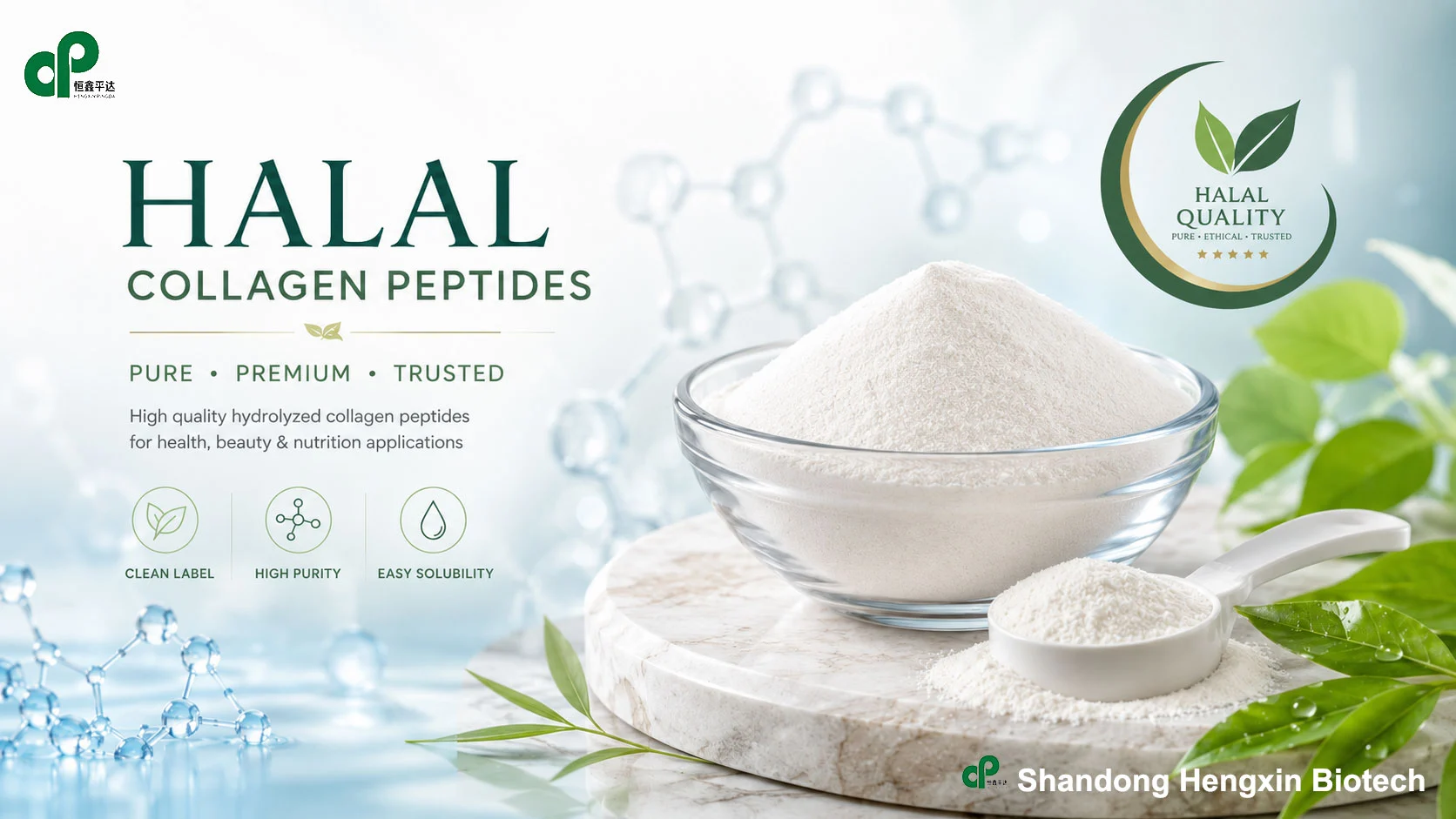
The short answer: collagen can be halal or haram depending on its source and how it is processed. This guide breaks down what makes collagen halal, why it matters, and how to check before you buy.
Collagen is a protein found in animal skin, bones, and connective tissue. Since it comes from animals, its halal status can't be determined by appearance alone.
Several factors determine whether the final collagen is halal.
Animal Source: Pigs are always off the table in halal diets. So any collagen labeled "porcine collagen" is not halal. Cows, sheep, goats, and fish are all potentially halal sources.
Slaughter Method: For land animals like cows and goats, the animal must be slaughtered following halal rules, known as zabiha. This includes a quick, humane cut and a prayer said over the animal. If a cow was not slaughtered this way, its collagen is not halal, even though beef is normally an allowed food.
Processing Ingredients: All processing aids, enzymes, solvents, and other materials used during production must comply with the applicable halal certification requirements. A factory that also processes pork products can accidentally contaminate a halal collagen batch, unless it keeps separate equipment and strict cleaning protocols.
Cross-Contamination Controls: Halal collagen must remain separate from non-halal materials. Shared storage tanks, production lines, tools, or packaging equipment can create contamination risks. Cleaning procedures must be documented and followed. The Islamic Religious Council of Singapore explains that halal products should be prepared, stored, and transported separately from non-halal substances. See the MUIS halal guidance for more details.
Halal Certification: A recognized halal certificate gives buyers stronger assurance. Certification normally includes document checks and a factory audit. The certifying body may review raw materials, suppliers, processing aids, cleaning methods, storage, and packaging.
Halal collagen matters because it lets Muslim consumers use collagen products with confidence. Skincare, supplements, and food products all need to fit within religious dietary rules. Without a halal-verified option, many buyers simply cannot use these items.
The halal market itself is large and still growing. Millions of consumers worldwide look for halal-labeled food, cosmetics, and health products. Brands that offer verified halal collagen can reach this audience directly, instead of losing sales to a lack of clear labeling.
Trust plays a big role too. A halal label backed by real certification builds confidence. Shoppers do not have to guess or take a brand's word for it. They can check the certificate and know exactly what they are getting.
Halal collagen also opens doors in regulated markets. Some countries require halal certification before a food or supplement product can even be sold. For companies that want to export to the Middle East, Southeast Asia, or other Muslim-majority regions, halal certification is often a requirement, not just a nice extra.
Marine collagen peptides come from fish skin and scales. In most Islamic schools of thought, fish is considered halal without a special slaughter method. This makes marine collagen a popular choice for halal-conscious brands.
That said, "usually halal" doesn't mean "automatically certified." Processing aids used during extraction can still introduce a problem. Some manufacturers use enzymes, gelling agents, or carrier substances that are not halal on their own. If any of these come from a non-halal source, the finished peptide product loses its halal status.
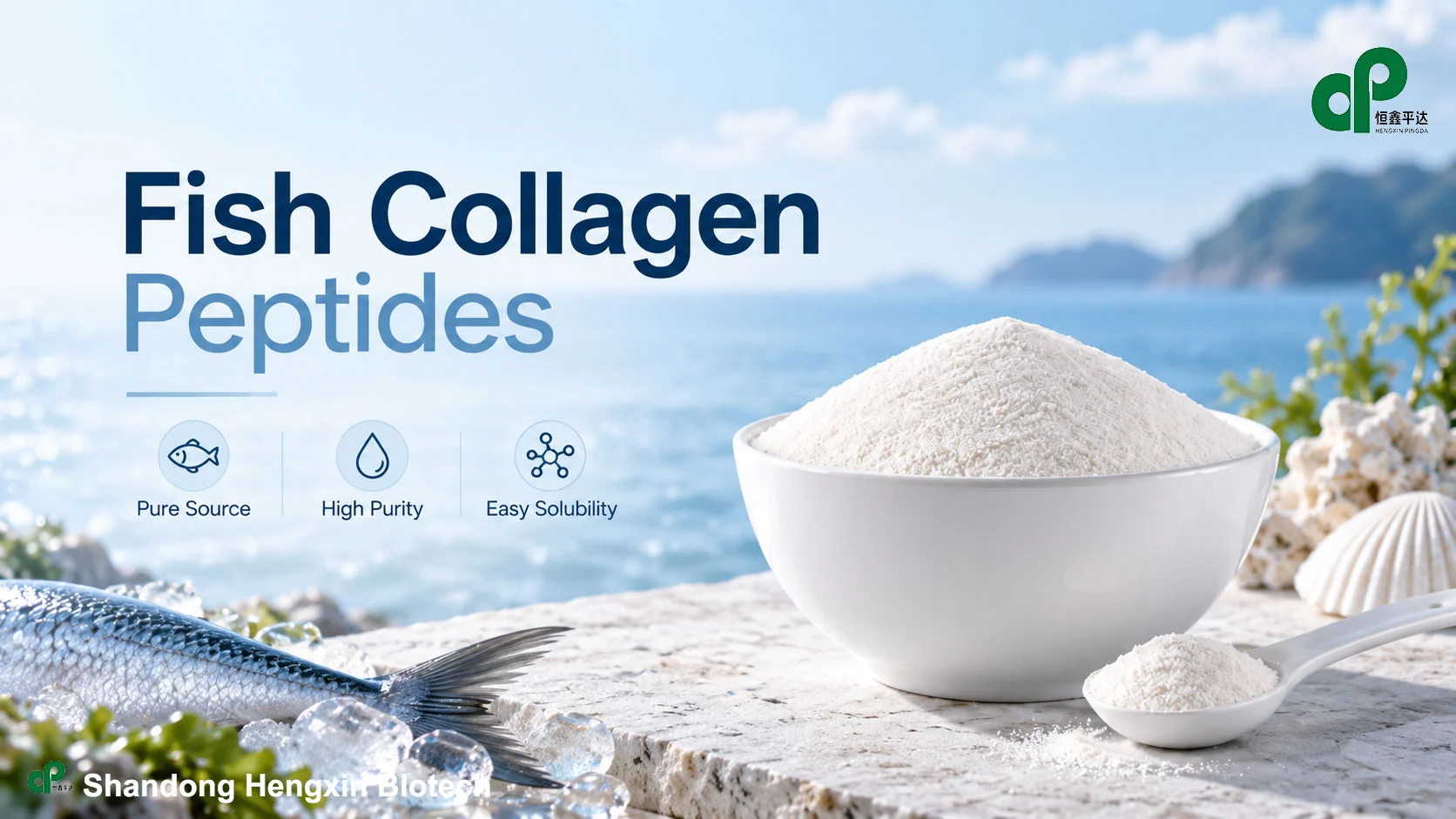
Sourcing also needs a closer look. Not every fish species is treated the same way across all schools of Islamic law. Shellfish and certain sea creatures fall into a gray area for some scholars. This is why marine collagen brands should still confirm the exact fish species and get halal certification, rather than assuming fish equals automatic approval.
The safest choice is marine collagen with a real halal certificate. This removes any doubt about the fish species, the processing method, and the equipment used. For B2B buyers, our guide to sourcing fish collagen peptides from China explains how to evaluate supplier certifications, raw material traceability, and manufacturing controls.
These three terms get mixed up a lot, but they are not interchangeable. Here is how they compare:
Term | What It Means | Who Verifies It | Reliability |
Halal-Certified | Product passed a formal audit by a recognized halal. | Accredited halal certification agencies (such as JAKIM, MUI, IFANCA) | High — backed by an official certificate. |
Halal-Friendly | A general claim that a product is likely acceptable under halal rules, without a formal audit. | Usually self-declared by the brand. | Low to medium — no third-party proof. |
Kosher | Product meets Jewish dietary law, which shares some overlap with halal rules but is not identical. | Kosher certification agencies (such as OU, OK). | High for kosher rules, but not a halal guarantee |
The biggest mistake shoppers make is treating "halal-friendly" as equal to "halal-certified." A halal-friendly label often means the brand believes the product should be fine, but no outside body has confirmed it. Halal-certified products, on the other hand, come with a paper trail and an official certificate number.
Kosher and halal are separate dietary systems. Although some requirements may overlap, kosher certification does not confirm halal compliance. A kosher certificate should therefore not be used as a substitute for halal certification.
Halal verification is not just a sticker on a box. It's a full review of the supply chain. Here's what a real halal audit usually checks:
Raw material source. Auditors confirm the animal type and trace it back to the farm or fishery.
Slaughter records. For land animals, documentation must prove halal slaughter was followed.
Facility inspection. Auditors visit the factory to check for shared equipment, cleaning logs, and separation from non-halal materials.
Ingredient review. Every processing aid, enzyme, and solvent used in extraction gets checked for halal compliance.
Certificate issuance. Once everything passes, a recognized halal body issues a certificate, often renewed yearly.
When you're shopping, look for a certificate number or a logo from a well-known halal authority. Reputable brands are usually happy to share this documentation if you ask. Major halal certification bodies include JAKIM in Malaysia, MUI in Indonesia, and IFANCA in the United States, along with several regional halal food councils.
Yes. Hengxin Biotech holds both Halal and Kosher certifications, providing greater assurance to customers with specific religious dietary requirements. We operate three separate production workshops to segregate our non-Halal, Halal and Kosher product lines. Our portfolio includes bovine collagen peptides, marine collagen peptides and plant‑based protein peptides, offering brands and consumers a wide range of options.
For brands building halal-labeled supplements or skincare products, working with a supplier that already holds halal certification can simplify sourcing. It removes the guesswork of checking slaughter methods and processing steps from scratch.
Types I, II, and III are the most common collagen types used in commercial products. Common raw material sources include bovine, fish, chicken, and porcine materials. Want to learn more about the benefits of collagen peptides? Read our Fish Collagen Peptides Guide.
Yes. A reliable supplier should provide a batch-specific COA covering a complete set of key specifications. If you are not sure how to verify it, refer to our detailed COA guide.
Bovine collagen peptides can be Halal if the raw materials and manufacturing process meet the requirements of a recognized Halal certification body. View our collagen peptides product range.
Not necessarily. Halal requirements for alcohol depend on its source, purpose, processing conditions, and the certification standard used. Therefore, B2B buyers should verify the Halal certificate and product specifications with the supplier.