 zh-CN
zh-CN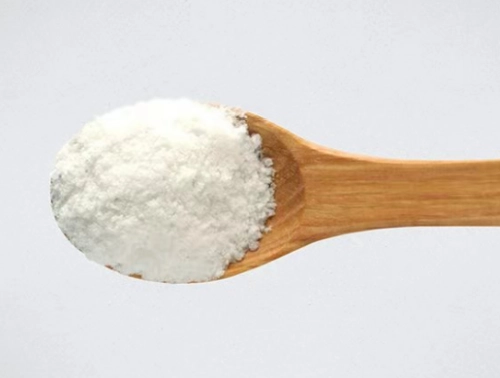
Nov 14-2024
How Collagen Peptides Enhance Every Lifestyle?
READ MORE >
Bone gelatin is a natural protein ingredient widely used in food, pharmaceuticals, nutraceuticals, and industrial applications. Despite its long history, many buyers still ask fundamental questions like “What is bone gelatin?” or “Is gelatin made out of bones?”
In this guide, we’ll explain exactly what bone gelatin is, how it’s made, its key benefits, and why it remains an essential ingredient across multiple industries. If you’re sourcing high-quality bone gelatin for commercial use, this article will give you the clarity you need.
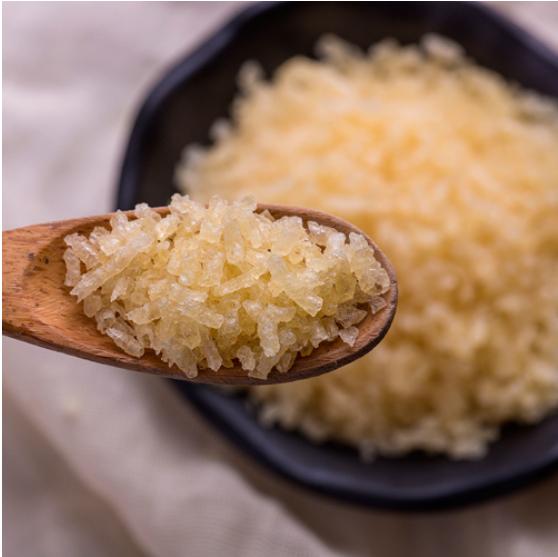
Bone gelatin is a natural protein derived from animal bones, primarily bovine bones. It is produced by partially hydrolyzing collagen—the main structural protein found in bones and connective tissues.
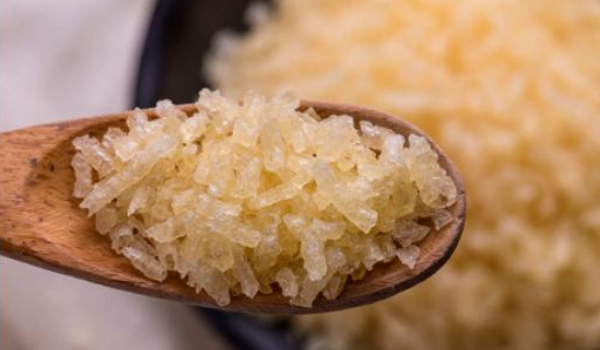
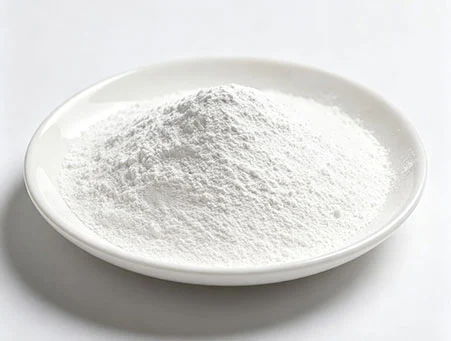
After processing, bone gelatin appears as a pale yellow powder or granules, is odorless or nearly odorless, and dissolves in hot water to form a clear, elastic gel once cooled.
Unlike synthetic thickeners, bone gelatin is:
Naturally derived
Highly functional
Biodegradable and safe
Widely accepted by global food and pharmaceutical standards
This makes it a preferred choice for manufacturers seeking clean-label, functional protein ingredients.
Yes—gelatin is made out of bones, and bone gelatin is one of the most traditional and widely used forms.
Here’s how it works:
Animal bones contain collagen
Collagen is extracted through controlled processing
The collagen is then converted into gelatin through hydrolysis
Not all gelatin comes from bones—some gelatin is made from animal skins—but bone gelatin specifically uses bones as the raw material, which results in distinct functional properties such as higher gel strength and excellent stability.
This direct answer helps your page rank for featured snippets and AEO-style queries like:
Is gelatin made out of bones?
Does gelatin come from animal bones?
What part of the animal is gelatin made from?
The production of bone gelatin involves several carefully controlled steps to ensure safety, purity, and performance:
Only clean, food-grade bovine bones are selected. Quality control at this stage determines the final gelatin’s clarity and strength.
Bones are crushed and treated to remove fats, minerals, and impurities, leaving behind collagen-rich material.
This step breaks down the collagen structure gently, preparing it for gelatin extraction. The method used depends on the desired gelatin characteristics.
Collagen is extracted using hot water under precise temperature control, converting it into gelatin.
The gelatin solution is filtered, sterilized, concentrated, dried, and milled into powder or granules.
The result is high-purity bone gelatin with consistent gel strength, viscosity, and clarity—ideal for industrial use.
Bone gelatin offers a unique combination of nutritional and functional advantages:
Bone gelatin is known for its strong gelling ability, making it suitable for gummies, capsules, and structured foods.
Used in pharmaceutical capsules and coatings.
Melts when heated and gels when cooled—ideal for food processing.
Rich in amino acids like glycine and proline.
Works well with sugars, acids, and other food ingredients.
Bone gelatin is used across multiple industries:
Gummies and jelly candies
Marshmallows and desserts
Dairy products and stabilizers
Meat products and aspics
Hard and soft capsules
Tablet binding agents
Medical-grade gelatin applications
Collagen supplements
Protein blends
Functional gummies
Adhesives
Match production
Paper finishing
Type | Raw Material | Typical Use |
Bone Gelatin | Bovine bones | Food, pharma, capsules |
Skin Gelatin | Animal skins | Food & confectionery |
Fish Gelatin | Fish skin/bones | Halal & specialty uses |
Bone gelatin remains the most widely used due to its balance of performance, availability, and cost efficiency.
Not all bone gelatin is created equal. For manufacturers and distributors, consistency is critical. High-quality bone gelatin should offer:
Stable Bloom strength
Low ash content
Clear appearance
Neutral taste and odor
Compliance with food and pharmaceutical standards
If you’re sourcing bone gelatin for commercial production, choosing a reliable supplier ensures consistent results batch after batch.
HXPD provides high-quality bone gelatin produced under strict quality control, suitable for food, pharmaceutical, and nutraceutical applications.
Learn more about our product specifications and applications here:
https://en.hxpdgelatin.com/products/bone-gelatin/
This page includes detailed technical data, packaging options, and application guidance for bulk buyers and distributors.
Bone gelatin is a time-tested, versatile ingredient made directly from animal bones through a controlled extraction process. So yes—gelatin is made out of bones, and bone gelatin continues to play a critical role in modern food and pharmaceutical manufacturing.
As demand grows for natural, functional ingredients, bone gelatin remains a reliable and efficient solution for manufacturers worldwide.