 zh-CN
zh-CN
May 31-2025
Understanding the Role of Gelatin Additives in Soft Capsule Formulations
READ MORE >
2026-07-13
In today's pharmaceutical and health nutrition industries, the delivery performance of solid dosage forms is one of the key factors affecting drug release efficiency and overall formulation performance. Hard gelatin capsules are among the most widely used oral drug delivery systems worldwide, offering a well-established manufacturing process, excellent mechanical properties, and outstanding cost-effectiveness. They play a critical role in oral bioavailability, structural stability under demanding storage and transportation conditions, and end-user acceptance, making them one of the dominant dosage forms in the global solid pharmaceutical market.
Today, most hard capsules are manufactured primarily from animal-derived gelatin, a protein obtained from collagen found in animal connective tissues. This natural origin gives gelatin capsules a range of properties that synthetic alternatives have yet to fully replicate.
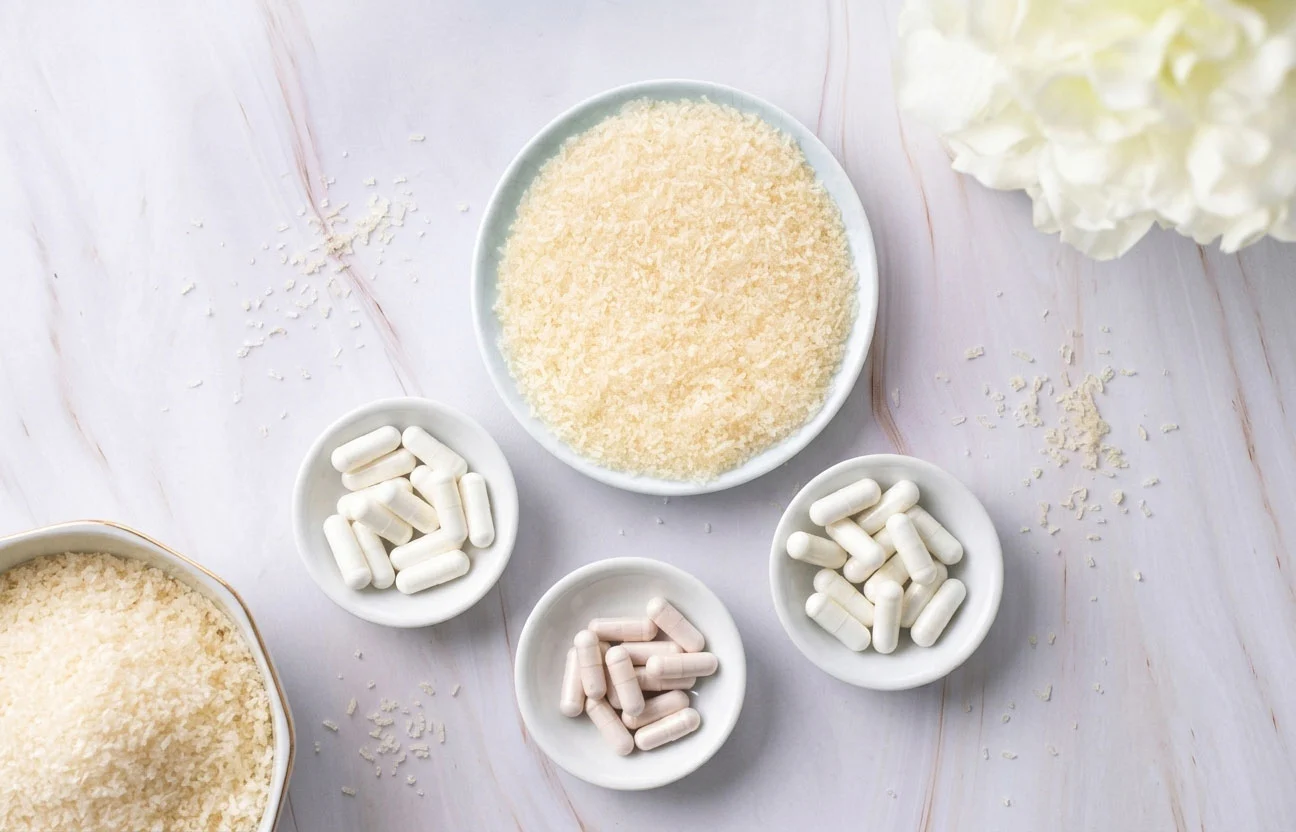
This article explores raw materials, manufacturing processes, formulation applications, and regulatory requirements across different target markets, providing technical insights for professionals involved in pharmaceutical gelatin procurement and industrial capsule formulation development.
Hard gelatin capsules (HGCs) are solid dosage forms designed to encapsulate powders, granules, and certain liquid formulations. Each capsule consists of two components—a capsule body and a capsule cap—which fit tightly together to form a sealed unit. Gelatin, a protein extracted from animal connective tissues, is the primary raw material used in their manufacture.
High-purity animal gelatin demonstrates excellent compatibility and stability in hard capsule shell formulations, providing multiple functional advantages, including:
l Encapsulation of Active Ingredients: When heated and subsequently cooled, gelatin forms a flexible yet durable film capable of encapsulating powders, granules, and certain liquid formulations without compromising capsule integrity.
l Bioavailability: The rapid disintegration of gelatin capsules facilitates the release of active pharmaceutical ingredients (APIs) in immediate-release formulations, helping improve drug release efficiency.
l Stability and Shelf Life: Gelatin-based capsule formulations help improve the stability of hard capsules by protecting the encapsulated contents from environmental factors such as moisture and light. This protective effect helps maintain the effectiveness of active ingredients throughout the product's shelf life.
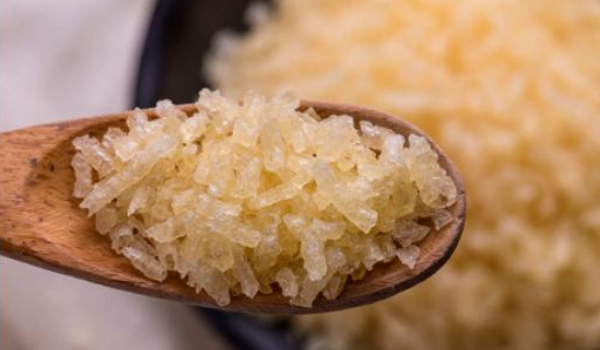
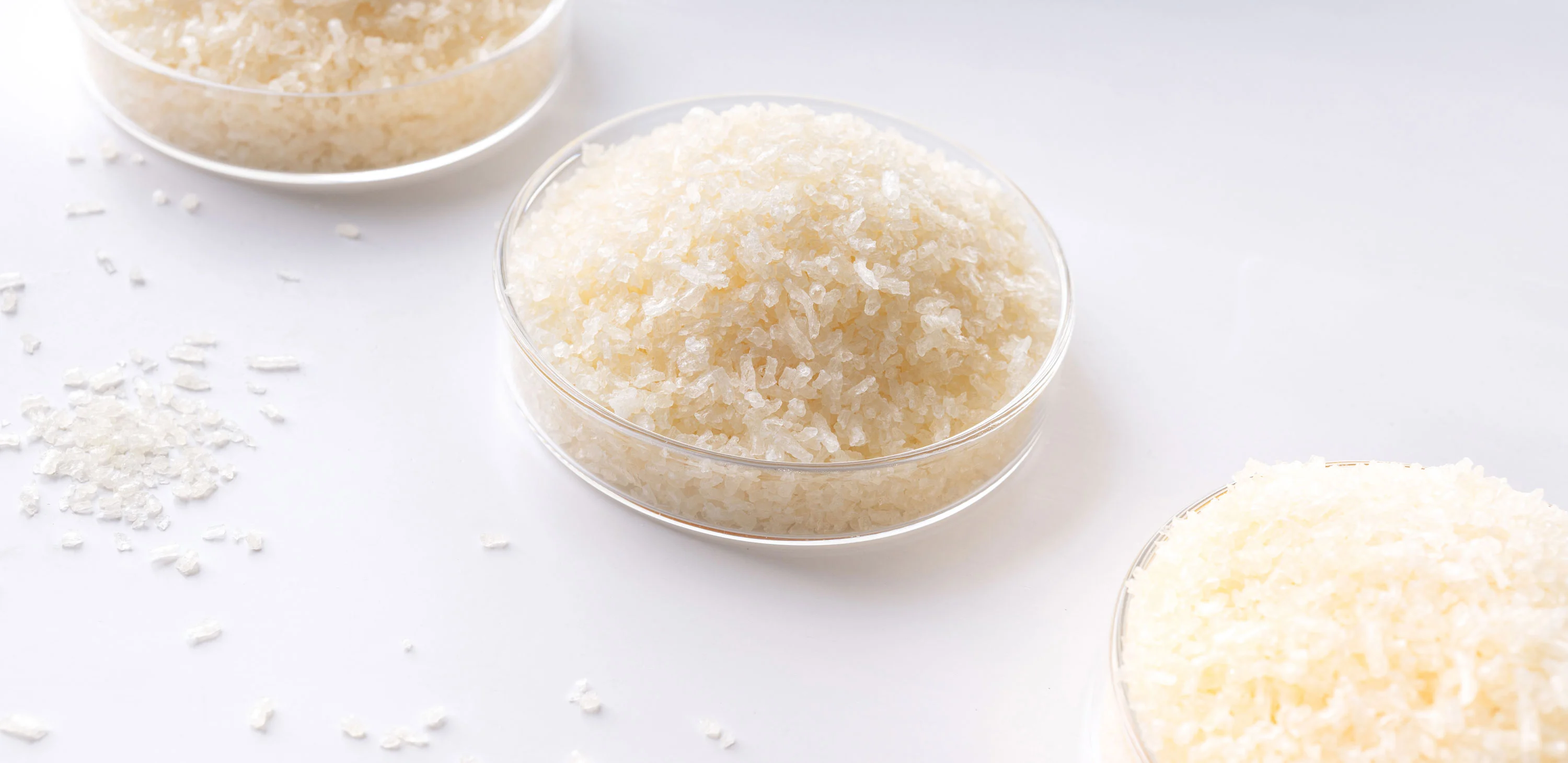
Pharmaceutical-grade gelatin granules offer excellent compatibility throughout capsule manufacturing. However, the benefits of gelatin additives extend well beyond processing performance:
l Taste Masking: Many pharmaceutical ingredients possess unpleasant tastes or odors that may negatively affect patient acceptance. Gelatin capsules effectively mask these undesirable sensory characteristics.
l Swallowability: Hard gelatin capsules feature a smooth, uniform surface that makes them easier to swallow than compressed tablets. When therapeutic efficacy is equivalent, consumers generally prefer gelatin capsules because of their ease of swallowing, particularly children and older adults.
l Customization and Product Differentiation: Gelatin additives enable hard capsules to be customized in terms of size, color, and even flavor. This flexibility allows manufacturers to accommodate different market preferences and deliver a more personalized user experience.
l Vegetarian and Vegan Alternatives: Traditional gelatin is primarily derived from animal proteins. However, the growing demand for vegetarian and vegan products has driven the development of plant-based capsule materials that provide gelatin-like functionality in certain formulations. In response to evolving market trends, Hengxin has also expanded its capabilities by developing and manufacturing high-purity plant-based protein peptides.
l Environmental Sustainability: As environmental awareness continues to increase worldwide, sourcing gelatin from sustainable supply chains has become increasingly important. Manufacturers that prioritize environmentally responsible sourcing practices can strengthen their brand reputation and customer trust.
The debate between gelatin and plant-based alternatives remains ongoing within the pharmaceutical and food industries. Although gelatin remains preferred in many application areas due to its unique properties, alternatives like hydroxypropyl methylcellulose (HPMC) and pullulan are steadily gaining popularity.
l Characteristics of Vegetarian Alternatives: Plant-based capsules generally match gelatin capsules in appearance and function, but they possess distinct disintegration and dissolution profiles, potentially exhibiting different release performance depending on the formulation. This variance influences choices for formulation purchasers, especially brands that have penetrated the vegetarian market.
l Industry Buyer Preferences: Understanding buyer preferences is crucial when choosing between gelatin capsules and plant-based alternatives. While some industry buyers favor plant-based products, others prioritize the proven efficacy and performance of gelatin capsules.
At the molecular level, gelatin is a hydrophilic colloid obtained through the controlled thermal and chemical hydrolysis of native collagen derived from animal skins, connective tissues, and bones. The foundational structure of collagen consists of polypeptide chains with repeating Glycine-X-Y amino acid sequences that form a tight collagen triple-helix conformation, where X and Y are primarily proline and hydroxyproline.
When this triple helix is cleaved via hydrolysis, it yields a heterogeneous mixture composed of single, double, and triple-strand peptide fragments. The molecular weight distribution of these fragments directly determines the physical properties of the capsule shell, including its structural film-forming capacity, mechanical tensile strength, and thermoreversible gelation kinetics.
Industrial capsule production primarily utilizes two categories of gelatin, classified by their raw material extraction processing methods:
l Acid-Treated Gelatin (Type A): Most acid-method gelatin is sourced from pigskins or bovine hides and prepared through a gentle, multi-day acid treatment. This process cleaves only a minimal number of peptide bonds, retaining a large portion of high-molecular-weight long-chain components. Acid-treated gelatin possesses a higher isoelectric point, typically spanning a pH range of 7.0 to 9.0. Functionally, it features rapid gelation speeds and high Bloom strength, allowing it to set quickly and form thin films with outstanding toughness on capsule mold surfaces.
l Alkali-Treated Gelatin (Type B): Alkali-treated gelatin is primarily derived from mature bovine hides and crushed bones, subjected to intensive alkali treatment using calcium hydroxide for several weeks. The strong alkaline process extensively cleaves peptide bonds and amide groups, converting glutamine and asparagine into glutamic acid and aspartic acid. The isoelectric point of alkali-processed gelatin drops to a pH of 4.7–5.4. It exhibits stronger molecular weight distribution and structural stability under thermal fluctuations compared to acid-method gelatin, though its Bloom strength is relatively lower.
Acid-Processed Gelatin vs. Alkali-Processed Gelatin
Physical Characteristics | Acid-Processed Gelatin | Alkali-Processed Gelatin |
Raw Material Sourcing | Pigskin, young calfskin | Bovine hide, crushed bones |
Isoelectric Point | pH 7.0–9.0 | pH 4.7–5.4 |
Bloom Value | 240 - 280g (Rigid) | 200 - 240g |
Viscosity Performance | Sets quickly with a distinct gelation peak | More stable viscosity |
Value in Hard Capsules | Forms film rapidly on mold pins, shortening molding cycles | Confers greater thermal resistance to the capsule shell |
For large-scale, high-yield industrial capsule manufacturing, relying solely on a single type of gelatin rarely yields optimal results. Based on our experience supplying pharmaceutical-grade gelatin to capsule manufacturers across multiple international markets, they frequently purchase both acid and alkali gelatins for custom blending. This compounding approach combines the high gel strength of acid-processed hide gelatin with the structural stability and optical clarity of alkali-processed bone gelatin. This finely balanced ratio directly dictates the material's anti-strain performance during subsequent high-speed filling operations.
Gelatin films are highly vulnerable when exposed to the practical environments of mass industrial production. Left unmodified, unplasticized gelatin films exhibit embrittlement when their internal moisture content drops below 13%, leading to fracturing under the high-speed impacts of automated machinery.
Conversely, in high-humidity environments, unmodified gelatin easily absorbs moisture, becomes sticky, and loses its structural self-supporting capacity. To overcome these mechanical bottlenecks and impart necessary differentiated functionalities, a highly scientific matrix of functional additives must be introduced into the gelatin sol matrix.
Plasticizers are small, low-molecular-weight hydrophilic network modifiers embedded within the cross-linked gelatin polypeptide chain network. At the microscopic level, they insert themselves between adjacent polypeptide chains, increasing the free volume between polymer segments and weakening the inter-chain hydrogen bonds that cause film rigidity. This widening of molecular spacing effectively lowers the glass transition temperature of the film, transforming an otherwise brittle, glassy film into a highly resilient and elastic capsule shell.
l Glycerin: A highly mobile glycerol that provides a pronounced plasticizing effect. Due to its intense hydrogen-bonding affinity for water molecules, it locks in the flexibility of the capsule shell in dry storage environments. Glycerin has a small molecular weight; if a concentration gradient exists between the capsule shell and the internal filling, excess glycerin can easily migrate into the encapsulated powders, potentially altering the physicochemical behavior of the contents.
l Sorbitol: A polyol sugar alcohol featuring a larger molecular spatial configuration and lower mobility than glycerin. Sorbitol resists free migration within the shell matrix, binding with gelatin to form a long-term stable, non-crystalline complex. It is typically paired with glycerin in production to effectively control brittleness and stabilize transmembrane migration between the interior and exterior of the capsule.
The application of colorants is not merely for visual aesthetics; it fulfills a dual core function in modern pharmaceutical engineering: commercial differentiation and providing a light barrier for fragile molecules.
l Titanium Dioxide: To date, titanium dioxide remains widely applied across the pharmaceutical industry. It exhibits excellent scattering and reflectance profiles for ultraviolet and visible light. By blocking photons from penetrating the capsule wall, it effectively protects light-sensitive APIs from photo-oxidative degradation.
l Iron Oxide Pigments: These mineral colorants are chemically stable with a low risk of migration, providing business-to-business (B2B) clients with a rich palette of color combinations while largely mitigating potential compatibility issues associated with synthetic azo dyes.
l Synthetic Lakes: Employed for differentiated brand packaging requiring high saturation and vibrant colors. These dyes undergo rigorous stability verification to ensure they do not experience reductive discoloration or fading during long-term contact with reducing substances or acidic components in the formulation.
One of the most problematic degradation pathways for hard capsules during long-term stability testing is the "cross-linking reaction." When trace aldehydes, reducing sugars, or specific metal ions are present in a formulation, they undergo condensation reactions with the free amino groups on the gelatin polypeptide chains. This chemical reaction drives the generation of covalent bonds and a water-insoluble reticular structure. In vitro dissolution assays manifest this as a tough, water-insoluble "rubbery film" forming on the capsule shell surface, severely slowing down or completely halting API release.
Introducing specific ratios of specialized stabilizers—such as certain anionic polysaccharides or selected complex proteins—into the gelatin formulation effectively resolves this issue. These ingredients work by constructing weakly reversible steric barriers around the sensitive amino sites of the gelatin polypeptide chains, or by acting as sacrificial scavengers that preferentially absorb free reactive aldehyde groups in the system. This cuts off the irreversible covalent cross-linking reaction chain, ensuring consistent in vitro release behavior throughout the capsule’s life cycle.
Gelatin is inherently a high-protein substrate. When exposed to environments conducive to microbial proliferation (such as warm, highly humid conditions), it can become a breeding ground for microbial propagation.
l Methyl/Propylparaben Sodium Salts: Traditional pharmaceutical broad-spectrum preservatives that function by disrupting microbial cell membrane potentials and inhibiting their respiratory enzyme systems.
l Organic Acids: Gaining significant traction in the health supplements market as "clean label" alternatives. When utilizing these organic acids, precise microscopic ratios must be maintained during the gelatin melting process to prevent localized pH drops from causing unstable acid degradation of the gelatin.
The production of two-piece hard gelatin capsules is a highly synchronized, automated, and continuous process carried out in a strictly controlled cleanroom environment, typically complying with Grade D or ISO Class 8 (Class 100,000) cleanroom standards. To ensure consistent wall thickness and dimensional accuracy across billions of capsules, every manufacturing stage must be executed in accordance with rigorous process controls.
The hard gelatin capsule lifecycle begins in large, double-jacketed vacuum stainless steel melting tanks. High-purity gelatin granules and deionized water are mixed at 60–70°C under continuous vacuum extraction to eliminate encapsulated air bubbles within the sol. Once the gelatin is fully dissolved and the solution turns transparent, precisely formulated plasticizers, opacifiers, and stabilizers are systematically blended and homogenized. The sol is then transferred to thermal storage tanks for "aging" and cooling, stabilizing the microscopic rheological properties of the gelatin molecules.
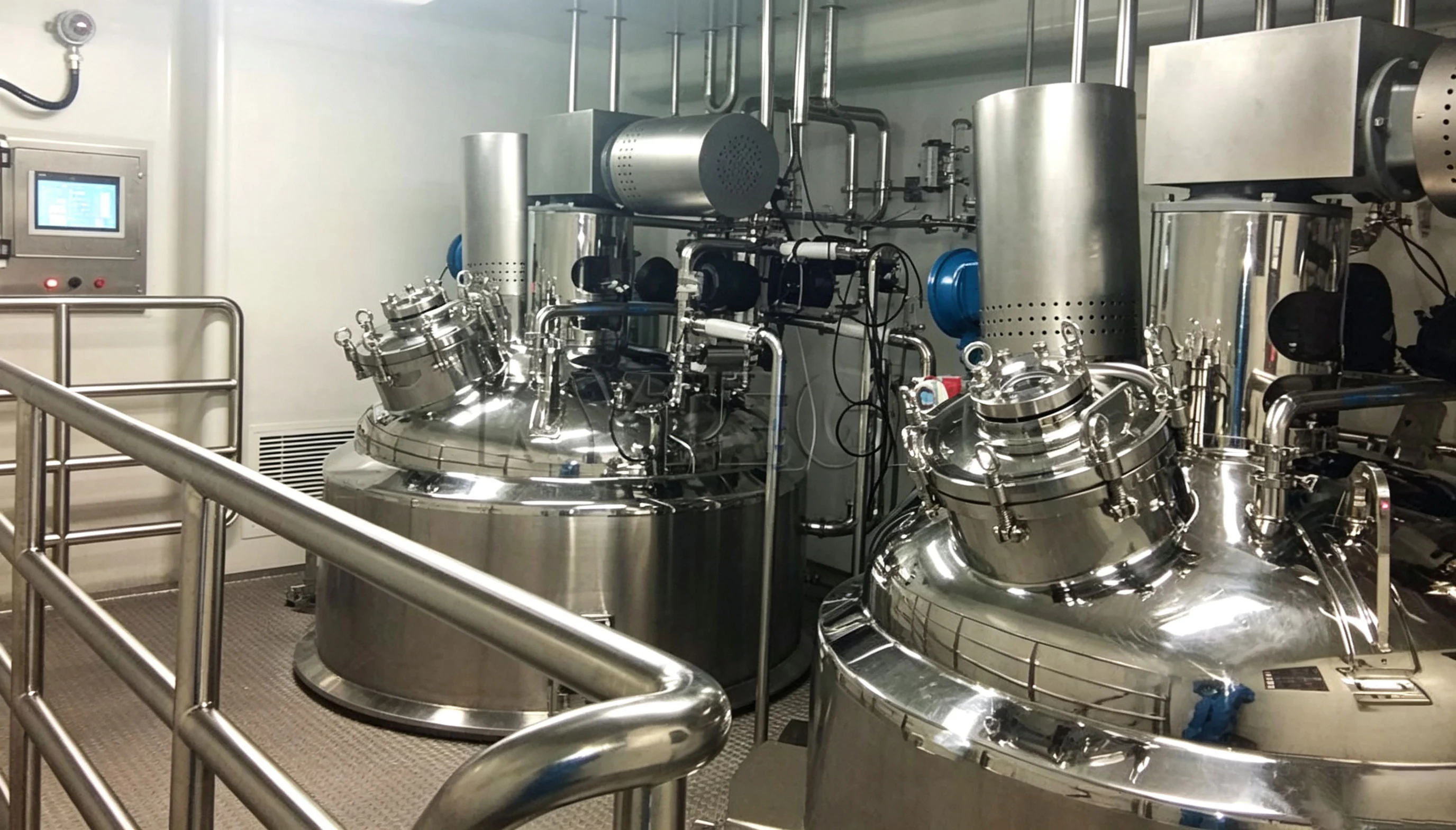
Fine viscosity control is critical here: low viscosity causes the sol to slide off mold pins rapidly after dipping, resulting in thin capsule walls prone to collapsing during filling; high viscosity forms overly thick layers, severely exceeding in vitro disintegration and dissolution time limits.
The core of the capsule molding machine consists of side-by-side running, mirror-polished, high-precision stainless steel mold pin bars. One side is arranged with body mold pins, while the parallel side features cap mold pins with a slightly larger internal diameter. Driven by mechanical cams, the pin bars dip vertically downward into a temperature-controlled dipping pan. The dipping pan is equipped with a continuous, low-speed circulation system to prevent temperature gradients from causing stratification or skinning on the sol surface.
After rotational leveling, the pins rhythmically enter a multi-stage step drying tunnel. This phase demands strict thermodynamic variable control from engineers to stably guide moisture evaporation from the gelatin film.
l Cold Air Setting: Pins first encounter directional cold air blowing at 10–15°C. This triggers the sol-gel transition of the gelatin, locking its three-dimensional gel framework and stopping material flow.
l Gradient Temperature Drying: Pins advance through separate drying compartments where air temperatures step upward and relative humidity decreases systematically. This gradient configuration drives moisture migration from the inside out, avoiding "skinning" defects.
l Moisture Balancing: Environmental conditioning finally anchors the end-point moisture content of the capsule shell securely within the official equilibrium standard range of 13.0% to 16.0% (w/w).
The molded, cured, and untrimmed semi-finished capsules emerge from the drying tunnel. Utilizing stripping collets pushed axially over the pins, gentle pressure is applied to the shell edges to smoothly strip the bodies and caps from the mirror pins. The stripped components are then transferred in pairs to high-speed rotating trimming assemblies. High-hardness circular fly-cutters trim the open edges of the capsule blanks at high speeds, precisely cutting body and cap lengths to designated specifications.
Following trimming, the bodies and caps achieve coaxial alignment within guide channels and are pushed into a "pre-locked" state by mechanical pushers. In this state, localized mechanical engagement is achieved using recessed shallow annular positioning grooves on the side walls of the caps and bodies. This weak engagement force ensures that empty capsules do not separate during bulk transport and warehousing, while allowing automated separation at the client's facility.
Prior to bulk packaging lines, pre-locked capsules pass through a high-speed, online intelligent vision inspection and sorting system. Upon defect detection, rejection valves precisely blast air to eject them into scrap hoppers. Capsules passing optical sorting also traverse online high-sensitivity metal detectors and quantitative size-classification sieves to completely prevent double-capped or deformed capsules from mixing into finished goods.
Throughout capsule production, quality control is paramount. For both hard capsule raw material buyers and gelatin manufacturers, rigorous quality testing not only controls product consistency but also secures long-term client trust and support.
Given that gelatin is derived from animal tissues, capsule suppliers must provide full-link traceability documentation stretching from initial farming, slaughtering, and primary processing down to final fine refinement.
For pharmaceutical brands expanding into global markets like the Middle East, Asia-Pacific, and North America—which exhibit unique religious and cultural diversity—procurement necessitates verifying whether suppliers hold specialized certifications, such as Halal, Kosher, Clean Label, and Non-GMO certifications.
Finished product sampling inspections of hard gelatin capsules must comply with statutory standards across international tripartite pharmacopeias (USP-NF, EP, ChP):
l Disintegration Time: According to solid dosage testing parameters in domestic and foreign pharmacopeias, 6 capsules are placed in a basket assembly and agitated in a medium maintained at 37±1°C. Standard HGCs must fully disintegrate and dissolve within 15 minutes.
l Friability: Capsules are placed in a desiccator for controlled dehydration to a critical point, followed by exposure to specific mechanical drop impacts. The breakage rate must be controlled below 2.0% to withstand physical compression from terminal counting machines and blister packaging lines.
l Heavy Metals and Chemical Purity: Arsenic (As) must not exceed 1.0 ppm, total heavy metals must not exceed 10 ppm, and peroxides are strictly restricted to extremely low thresholds.
Hard capsule manufacturing is an art of balance. As professional suppliers, when screening gelatin raw materials, we must focus not only on the raw material manufacturer's equipment and pricing but, more importantly, on the traceability, physicochemical indicators, and safety metrics of the material. These are comprehensive, all-around evaluations rather than isolated selections.
The physical parameters of gelatin directly affect capsule performance on the assembly line. As raw material buyers, we need to focus heavily on two core parameters: Bloom strength and viscosity.
l Bloom Strength: Bloom strength determines the strength and elasticity of the capsule shell; hard capsule production typically requires a Bloom strength of 200–250g. If Bloom strength is insufficient, the capsule shell becomes too brittle and easily breaks during subsequent powder filling or transport, generating excessive defects and waste, which escalates costs. Conversely, if Bloom strength is too high, the disintegration time of the capsule inside the human body may be compromised. Hengxin is an automated gelatin manufacturer with over 20 years of experience, producing high-purity gelatin with gel strengths ranging from 120 to 280 Bloom.
l Viscosity: Viscosity measures the length of gelatin molecular chains. If viscosity is too low, the capsule wall becomes too thin; if it is too high, the shell wall becomes too thick. Only when Bloom strength and viscosity reach a balanced ratio can manufactured capsules achieve uniform thickness and tight locking alignment.
l Clarity and Transmittance: Higher light transmittance yields a more transparent and brilliant capsule appearance, typically requiring a transmittance of 300 mm or higher.
l Moisture: The moisture content of empty capsules upon leaving the factory is usually 13% to 16%. Therefore, the moisture of the raw material must also be considered, at minimum complying with the lowest regulatory limits of the target market nation. For instance, in China, the finished product moisture standard for gelatin is ≤14.0%.
Parameter | Industrial Standard | Impact on Capsule Shell |
Bloom Strength | Typically 200–250 Bloom | Too low makes the shell brittle, causing a high probability of breakage during filling. Too high may restrict disintegration times. |
Viscosity | Typically requires 3.5 mPa·s to 5.0 mPa·s | Too low thins the capsule wall, affecting transport and filling. Too high thickens the walls excessively. |
Clarity | Typically above 300 mm | Higher transmittance results in a clearer, more brilliant appearance. Low values lead to a dull look. |
Moisture | Defined by target market standards | Governs hardness; excessive moisture causes the capsule shell to become damp and sticky. |
Because gelatin production involves multi-stage processing and originates from animals, heavy metals and microorganisms may be introduced during animal growth and technical processing. As a raw material for hard capsules acting as a carrier for drugs or nutrients, safety is non-negotiable.
l Heavy Metal Residues: Chromium (Cr) residue is the most sensitive metric in the gelatin industry. Compliant suppliers must explicitly declare that the chromium content of each gelatin batch falls below or complies with pharmacopeial standards (such as ChP, USP, or EP).
l Microbial Limits: Strict control over total aerobic microbial count, molds, and Escherichia coli is required. This is vital not only to pass regulatory drug administration testing but also to prevent capsules from molding or degrading during storage.
l Batch-to-Batch Consistency: In mass industrial production, the greatest risk is a scenario where "this batch of gelatin works perfectly, but the next batch is unstable." Based on our experience supplying pharmaceutical-grade gelatin to capsule manufacturers, after confirming viscosity and Bloom strength, the next priority must be evaluating the manufacturer's process maturity and batch stability.
Gelatin manufacturing typically incorporates a "deodorization" process step, rendering the finished gelatin granules neutral in odor, which leaves the capsule raw material free of excess smell. Furthermore, heated and cooled gelatin forms a pliable, tough film that encloses drug powders or liquids, effectively masking unpleasant pharmaceutical odors. Capsule shells made from gelatin disintegrate rapidly within the acidic environment of the stomach to release active ingredients, while also preventing gastric irritation.
To maintain capsule integrity and efficacy, they should be stored in a cool, dry place, away from direct sunlight and moisture.
Yes, hard shell gelatin capsules possess smooth and well-sealed films capable of being filled with liquid formulations. However, it is vital to note that certain liquid formulations may chemically react with gelatin, leading to leakage. Hengxin recommends conducting experimental compatibility testing between the liquid formulation and the gelatin prior to mass production or raw material selection.
Future trends likely include escalating demand for personalized solutions, innovations in gelatin sourcing, and advancements in encapsulation technologies to further elevate the performance and disintegration efficiency of gelatin capsule shells.