 zh-CN
zh-CN


Jan 28-2019
Happy Spring Festivel!
READ MORE >
The global health and wellness industry is undergoing a major transformation. Today’s consumers are no longer looking solely for effective functional ingredients—they also demand sustainable, clean-label, and plant-based alternatives. For brands in the food, beverage, nutraceutical, and personal care industries, this shift has brought one ingredient category into the spotlight: plant-based protein peptides.
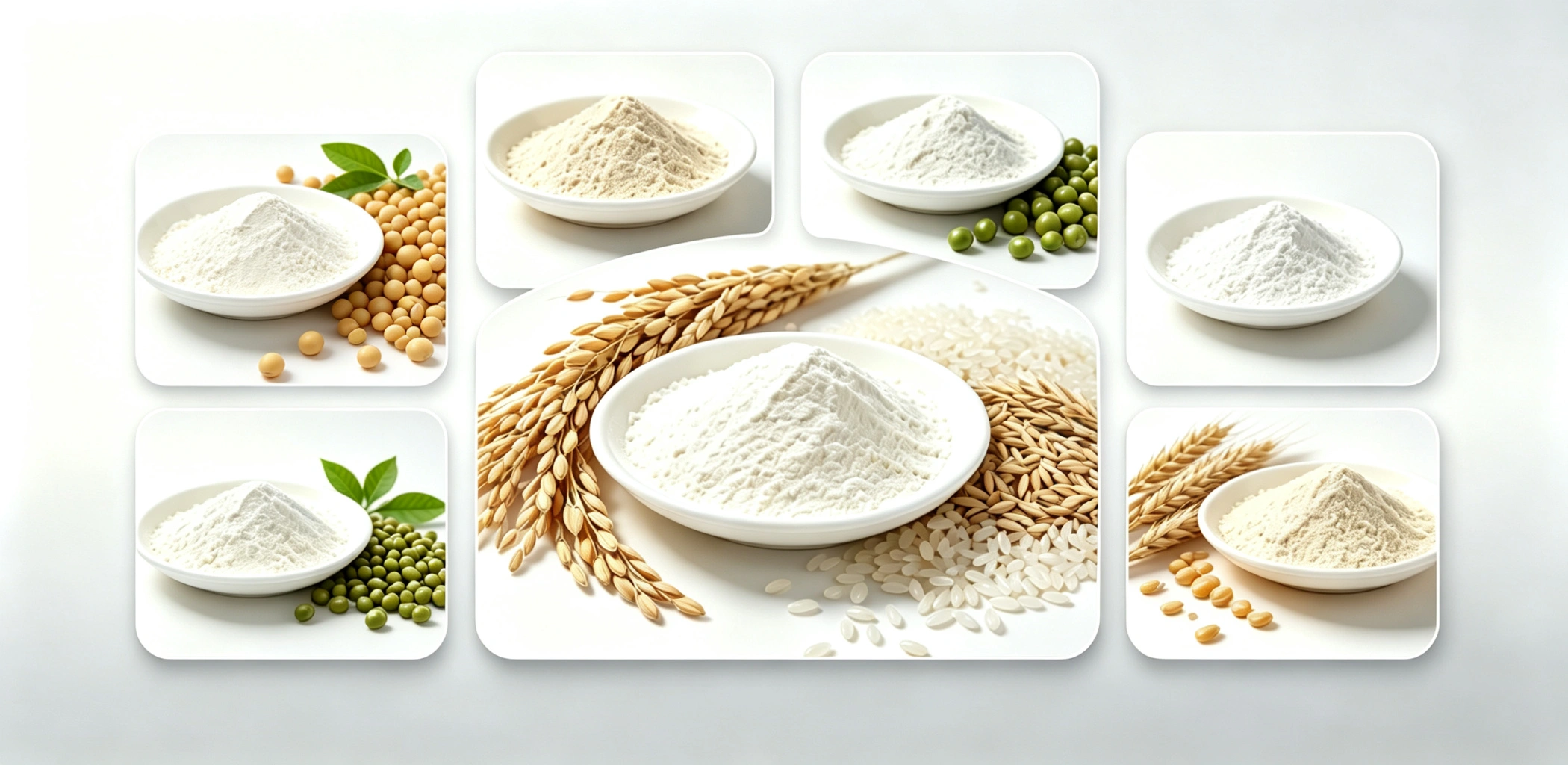
If you are expanding your existing product portfolio or transitioning away from animal-derived ingredients, understanding the science, sourcing, and supply chain behind these ingredients is essential.
This guide provides a technical overview of raw material selection, manufacturing processes, functional properties, and industrial applications of plant-based protein peptides. The information presented here is intended for technical and industrial reference only and does not constitute medical, therapeutic, or product claims.
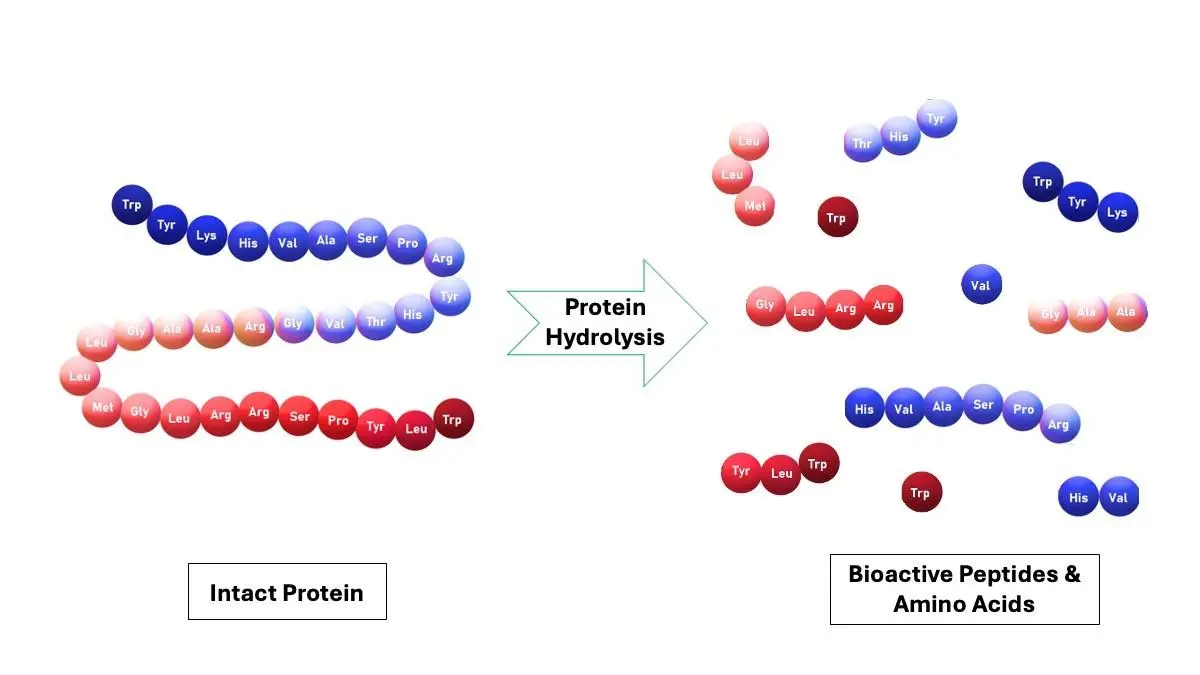
In simple terms, when large, complex plant protein molecules are broken down into shorter amino acid chains, the resulting fragments are peptides. But what exactly are plant peptides?
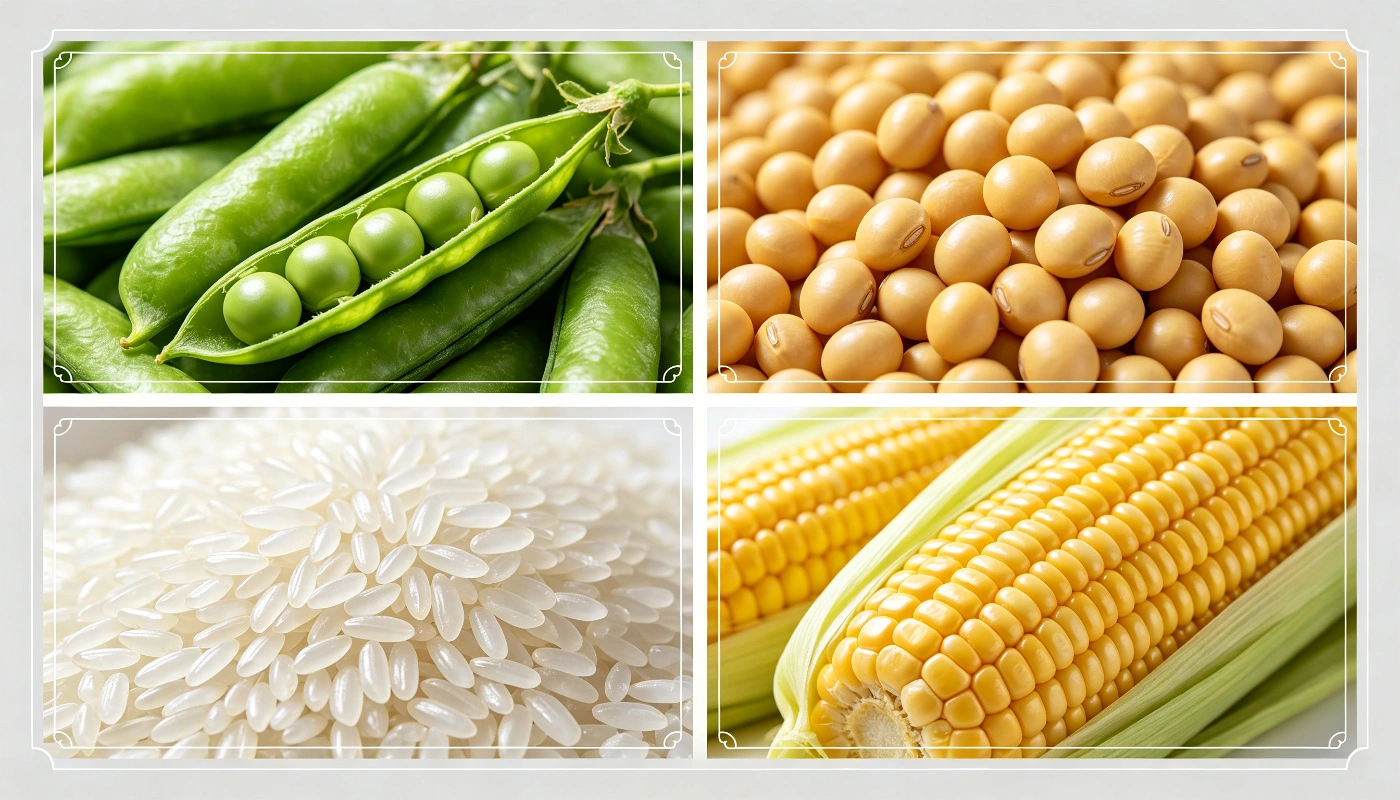
Plant protein peptides are low-molecular-weight protein hydrolysates obtained from natural botanical sources—such as peas, rice, soybeans, or corn—via controlled enzymatic hydrolysis. Compared to intact plant proteins, these bioavailable fragments exhibit significantly higher solubility, superior metabolic absorption, and enhanced formulation flexibility. Consequently, they are widely utilized across the food, beverage, dietary supplement, and personal care industries.
Manufacturers can extract bioactive peptides from a wide variety of plant materials. The choice of raw material depends largely on the functional positioning and nutritional profile required for the final product.
l Pea Protein: Pea protein hydrolysates are commonly adopted due to their favorable amino acid composition and relatively low allergenic potential. They are commonly applied in sports nutrition and plant-based formulations.
l Soy Protein: Soy remains one of the most established plant protein sources. It provides a complete essential amino acid profile and is widely used in functional food and beverage systems. However, allergen labeling and regulatory requirements vary across different markets.
l Rice Protein: Rice protein is a naturally plant-derived protein known for its relatively low allergenic potential and easy digestibility. It is suitable for hypoallergenic formulations and specialized nutrition products.
l Corn Protein: Corn protein peptides are produced through controlled hydrolysis and demonstrate good stability under acidic conditions, making them suitable for beverage applications.
l Specialty Plant Proteins (Hemp, Pumpkin Seed, Wheat): Specialty plant proteins are gaining momentum in premium niche health markets, especially in differentiated plant peptide supplement formulations.
In the global bulk ingredient market, plant peptides are primarily classified by their botanical source. Each source offers a unique amino acid profile, molecular weight distribution, and functional performance.
Knowing these commercial categories helps product development teams select the right ingredient for specific label claims and formulation goals, whether targeting sports nutrition, healthy aging, or clear functional beverages.
High-quality pea protein peptide powder is typically derived from non-GMO yellow peas and has become one of the most widely adopted plant peptide ingredients in the market.
l Key Advantages: Rich in branched-chain amino acids (BCAAs). Amino acid composition depends on the source protein and hydrolysis process, both of which influence the final nutritional profile. These amino acids play an important role in muscle protein synthesis and post-exercise recovery.
l Benefits: Naturally free from dairy and gluten, with relatively low allergenic potential. Modern enzymatic hydrolysis helps minimize the characteristic beany flavor, resulting in a cleaner, more neutral taste suitable for protein bars, meal replacements, and vegan ready-to-drink shakes. If you wish to explore details, you may refer to our material outlining the benefits of pea protein peptides.
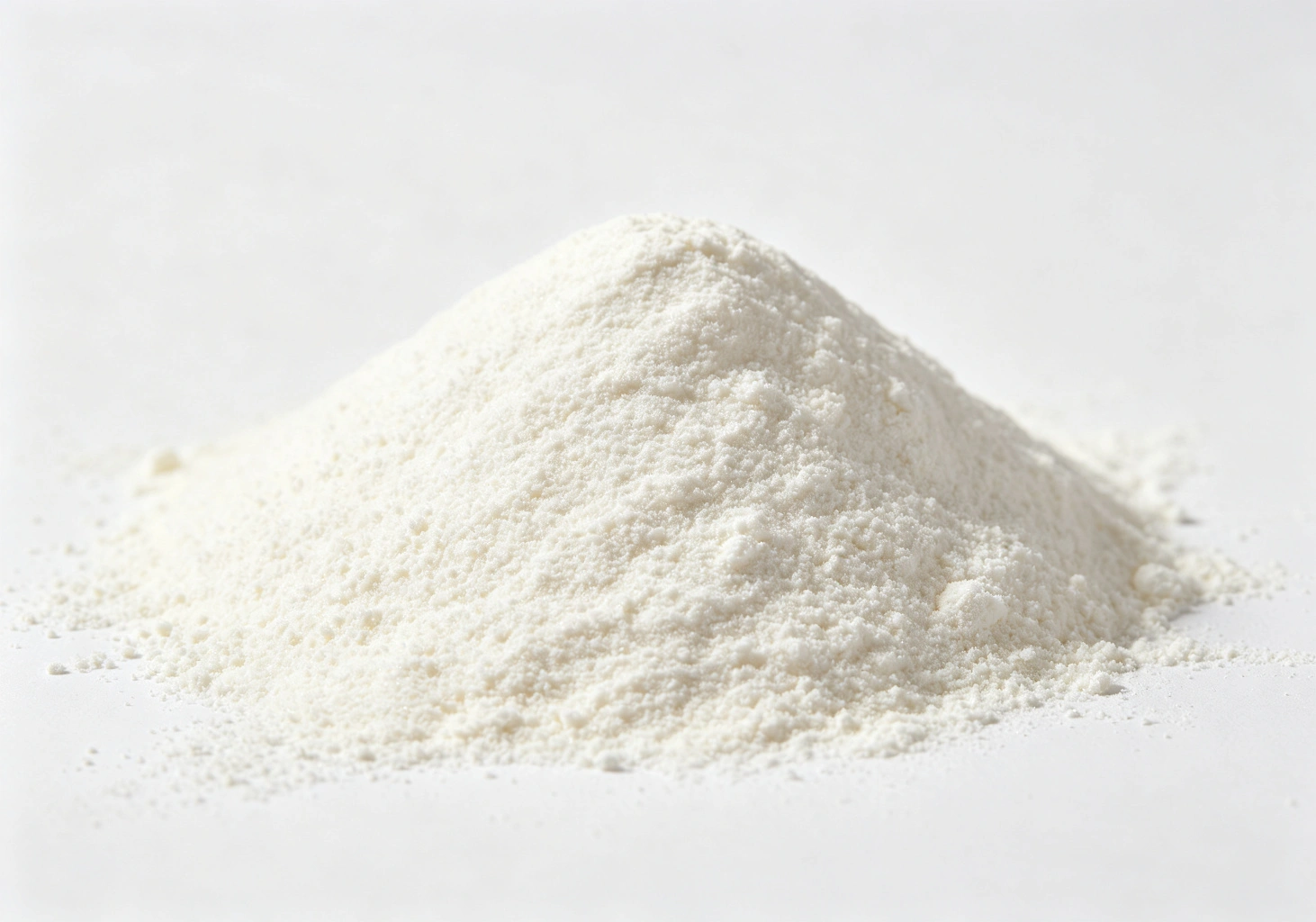
Hydrolyzed rice protein is considered one of the milder options in the peptide category and is often preferred in formulations designed for sensitive digestive systems.
l Advantages: Its lower molecular weight and favorable amino acid profile may help improve bioavailability without significantly increasing digestive burden.
l Product Benefits: Rice peptides offer low allergenic potential and good digestibility. They are commonly adopted in hypoallergenic foods and premium plant-based beauty formulations. In a 10% solution, they typically maintain good clarity with minimal precipitation.For additional technical insights, see our article on the benefits of rice protein peptides.
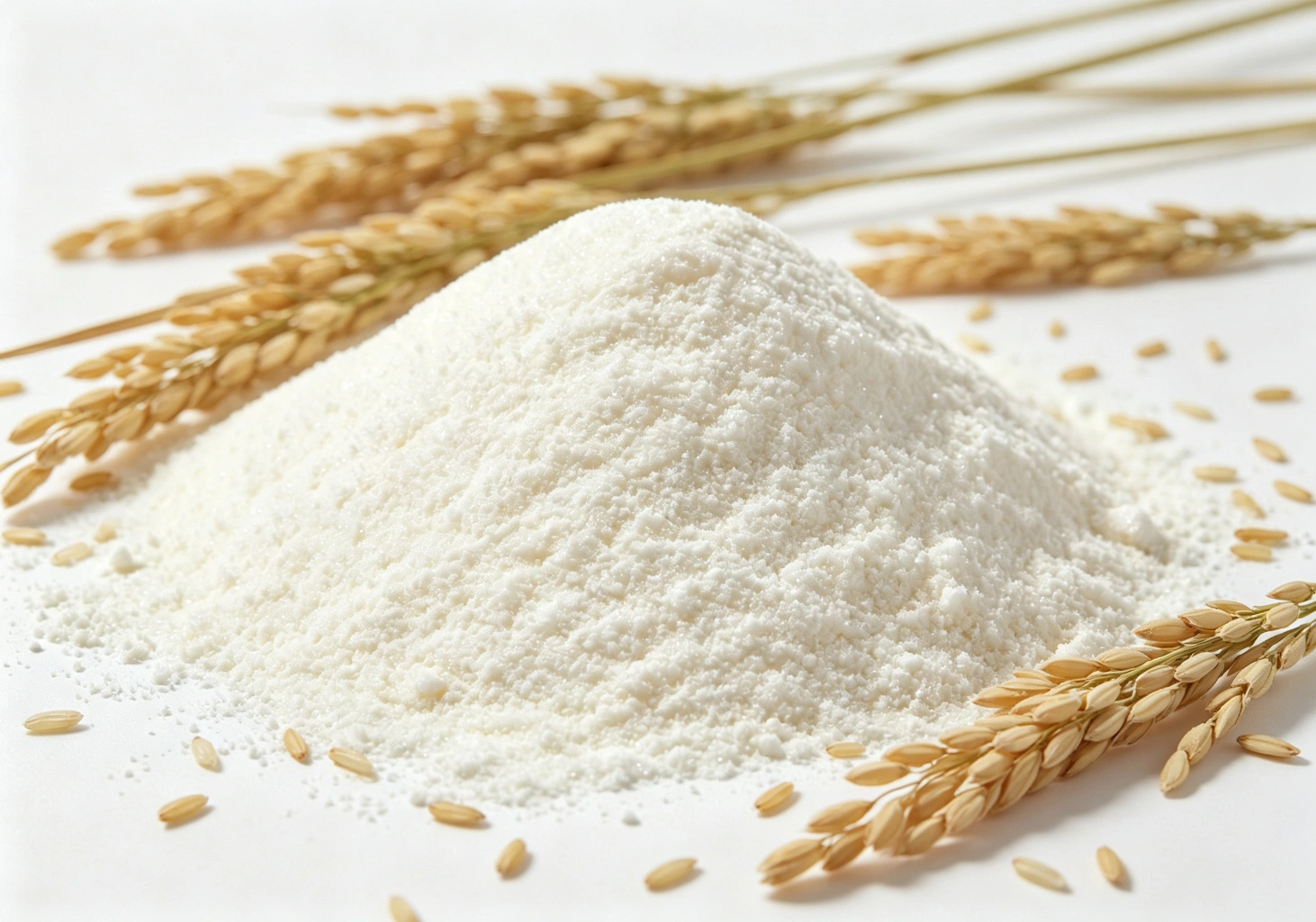
Soy protein is globally available and soy peptides offer excellent water solubility with a broad amino acid spectrum.
l Key Advantages: Soy peptides provide all nine essential amino acids required by the human body and offer a nutritional density comparable to many animal-derived proteins. They are commonly associated with energy metabolism and recovery support.
l Formulation Benefits: Excellent emulsification properties and thermal stability make soy peptides a cost-effective ingredient for dairy alternatives, nutrition capsules, and functional beverages.
High-quality corn oligopeptide is derived from natural corn gluten meal and produced through targeted enzymatic hydrolysis to obtain low-molecular-weight bioactive peptides.
l Key Advantages: Compared with soy peptide, it contains higher levels of alanine and glutamine. It is commonly used in functional beverage formulations.
l Formulation Benefits: It offers strong stability under acidic conditions, making it a high-quality bioactive ingredient for dietary supplements and anti-fatigue energy drinks.
Industrial-grade wheat peptide powder is extracted from natural wheat gluten and is widely valued for its unique functional properties.
l Key Advantages: It contains glutamine at relatively high levels, depending on the degree of hydrolysis. Glutamine serves as a primary energy source for intestinal epithelial cells, so wheat peptide may provide supportive benefits for maintaining intestinal barrier integrity.
l Formulation Benefits: It has excellent water-binding and moisturizing properties. In addition to being widely used in sports recovery formulations, it can also contribute moisturizing and conditioning effects in cosmetic formulations.
To help brands stand out in a competitive market, the health and wellness industry continues to explore niche plant sources to expand plant-based peptide supplement product lines:
l Mung Bean Peptide: Known for its traditional “heat-clearing” and anti-inflammatory properties, it has gained attention in Asia as well as in emerging detox formulations in Western markets.
l Hemp Seed Peptide: Due to its unique edestin protein structure, it has become increasingly popular in premium organic wellness blends.
l Pumpkin Seed Peptide: Commonly used in dietary supplements targeting men’s health. Some studies suggest it may support prostate and urinary tract health.
Comparison of Plant Peptide Benefits
Peptide Type | Key Amino Acids | Best Application Scenarios | Solubility & Clarity (10% Solution) |
Pea Peptide | BCAAs and lysine | Sports nutrition, vegan muscle recovery | High solubility; slightly milky appearance |
Rice Peptide | Methionine, cysteine | Infant formula, hypoallergenic beverages | High solubility and excellent dispersibility; fast absorption |
Soy Peptide | Complete essential amino acids | General wellness supplements, plant-based dairy alternatives | Excellent emulsification and stability |
Corn Peptide | Alanine and glutamine | Hangover relief formulas, liver support energy drinks | High solubility; remains stable in acidic solutions |
Wheat Peptide | Glutamine | Gut health formulations, cosmetics | Good solubility; strong moisture-retention properties |
The information provided above regarding the major commercial types of plant peptides is based on current research and is not intended to diagnose, treat, or prevent any disease.
The growing demand for plant-based peptides is driven not only by consumer lifestyle shifts, but also by formulation advantages and supply chain sustainability.
Key factors behind this market growth include:
l Clean Label and Low-Allergen Potential: Raw materials such as peas and rice allow brands to position products around claims such as non-GMO and allergen-friendly, which are highly attractive in global markets.
l High Solubility and Improved Clarity: Intact plant proteins often create grittiness, turbidity, or sedimentation in liquid systems. In contrast, plant peptides generally demonstrate higher solubility and can provide improved clarity under suitable formulation conditions.
l Strong Processing Stability: Plant peptides typically maintain good stability across various pH ranges and thermal processing cycles, helping manufacturers preserve product functionality throughout shelf life.
l Sustainability Advantages: Compared with animal agriculture, plant-based raw materials generally require lower water consumption and generate a smaller carbon footprint, supporting modern ESG initiatives and sustainability goals.
The versatility of plant peptides enables their integration into multiple high-value industries.
l Food and Beverage: Plant-based beverages, functional drinks, coffee creamers and protein-fortified formulations.
l Nutritional Supplements: Sports nutrition powders, meal replacement products and senior nutrition formulations
l Cosmetic Formulations: Plant peptides are increasingly incorporated into personal care products as moisturizing and conditioning ingredients.
l Pet Nutrition: Used as digestible plant protein sources in companion animal nutrition, including formulations targeting coat and skin support.
l Plant-Based Food Industry:Meat alternatives, bakery products, seasonings and savory applications and high-protein snacks
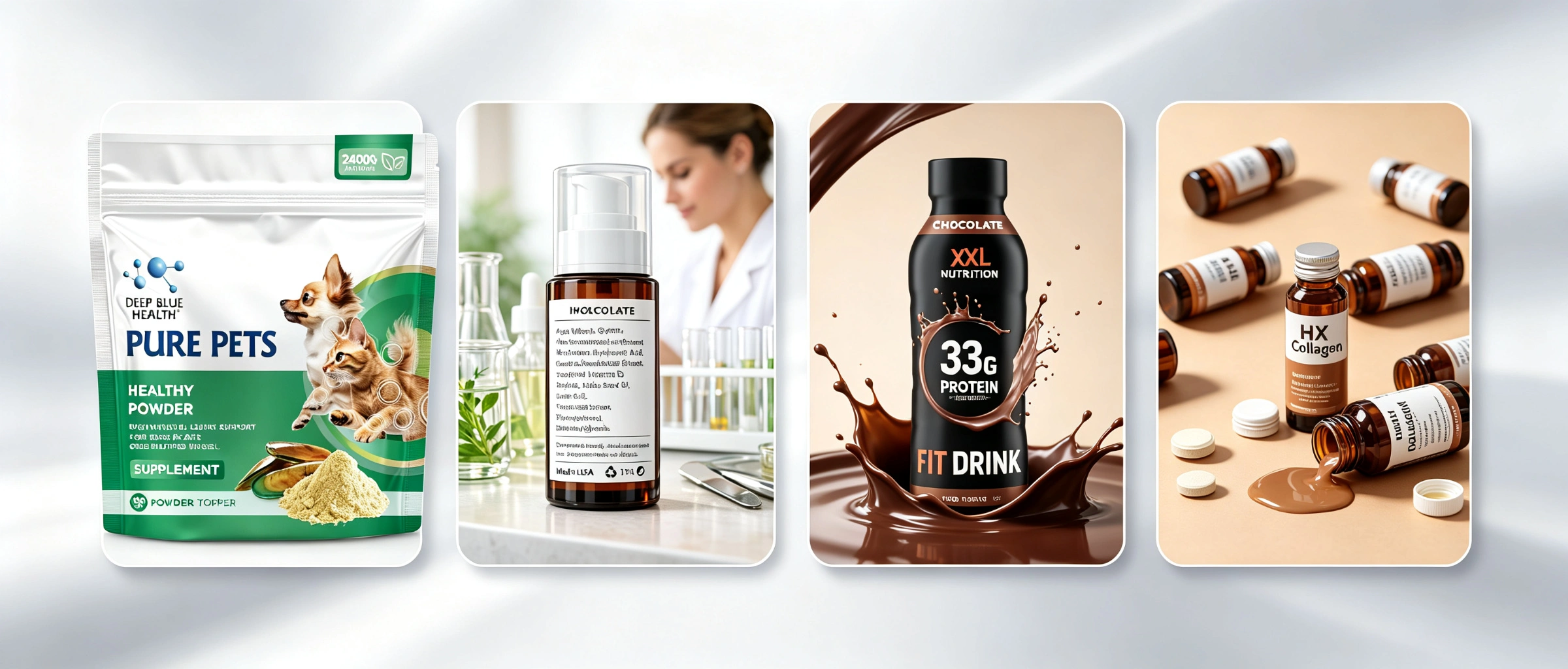
The versatility of plant peptides enables their integration into multiple high-value industries.
l Food and Beverage: Plant-based beverages, functional drinks, coffee creamers and protein-fortified formulations.
l Nutritional Supplements: Sports nutrition powders, meal replacement products and senior nutrition formulations
l Cosmetic Formulations: Plant peptides are increasingly incorporated into personal care products as moisturizing and conditioning ingredients.
l Pet Nutrition: Used as digestible plant protein sources in companion animal nutrition, including formulations targeting coat and skin support.
l Plant-Based Food Industry:Meat alternatives, bakery products, seasonings and savory applications and high-protein snacks
One of the most common questions among product development teams is how to choose the right peptide ingredient for a formulation.
To make informed sourcing decisions, it is important to understand one key scientific fact:
True collagen exists only in animals. Plants do not naturally produce collagen.
As a result, products marketed as plant-based collagen peptides are not actual collagen. Instead, they are better described as collagen-support formulations or collagen-boosting peptide systems.
Before evaluating plant-based alternatives, it is helpful to understand the characteristics of traditional bovine collagen peptides, which remain one of the most widely used collagen ingredients in global nutraceutical markets.
Bovine Collagen Peptides vs Plant-Based Protein Peptides
Feature | Bovine Collagen Peptides | Plant-Based Protein Peptides |
Source | Bovine hide | Hydrolyzed plant proteins |
Composition | Collagen-specific peptides | Plant amino acid peptides |
Allergen Risk | Relatively low | Varies by source |
Dietary Suitability | Not vegan | Vegan-friendly |
Consumer Appeal | Traditional mainstream market | Fast-growing modern demand |
Primary Applications | Nutritional supplements | Broad functional applications |
In our 20 years of manufacturing experience, we have found that understanding the production process is crucial for large buyers or brand owners to ensure label compliance and supply chain stability. Transforming raw plant proteins into highly bioavailable peptide ingredients requires a combination of biochemistry and advanced processing technology.
As a leading supplier in Asia, Hengxin applies a refined production workflow designed to deliver high purity, batch consistency, and neutral sensory performance for global food, nutraceutical, and personal care brands.
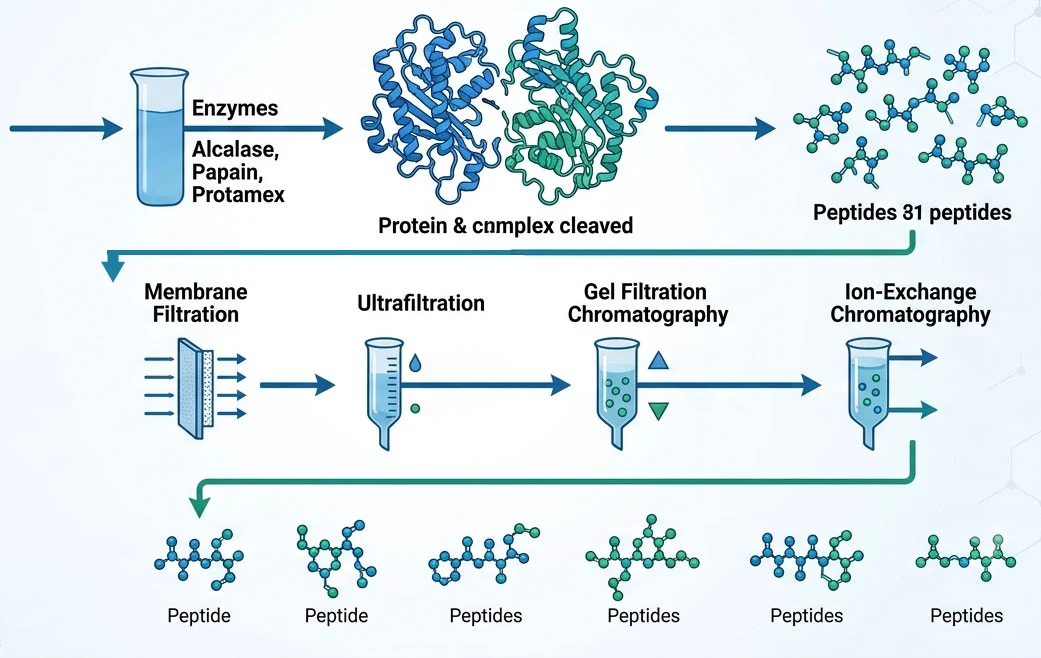
Plant-based peptides are typically manufactured through a multi-step controlled process.
Production begins with strict raw material screening. Protein sources such as pea and rice are selected according to specification requirements.
Each batch is tested for: Heavy metals, pesticide residues and microbiological compliance before entering clean production areas.
Food-grade enzymes are introduced under controlled temperature, pH, and reaction time.
This process breaks intact proteins into short-chain peptides while achieving the desired molecular weight distribution.
Once the target degree of hydrolysis and analytical specifications are achieved, thermal treatment is applied to terminate enzyme activity.
Raw plant materials often contain natural pigments and characteristic off-notes such as bitterness or earthy flavors.
Activated carbon treatment and vacuum deodorization are used to reduce unwanted color compounds and improve sensory quality.
The decolorized liquid passes through depth filtration and membrane filtration systems to reduce particulates and impurities while improving clarity.
Vacuum concentration under controlled temperature removes most of the solvent, increasing peptide concentration and purity.
Microbiological safety is critical for export compliance.
The concentrated peptide solution undergoes high-temperature sterilization, typically at or above 138°C for more than 4 seconds, depending on process requirements.
The sterile liquid is converted into powder form through spray drying under controlled inlet and outlet temperatures.
The resulting powder is transferred to sterile packaging areas for final packing.
Hengxinmaintains strict batch-to-batch quality control to meet Chinese GB standards as well as regulatory requirements in the EU, the United States, the Middle East, and other international markets.
In global supply chains, batch consistency is critical for protecting brand reputation.
When evaluating suppliers, prioritize those with robust quality control systems covering the following:
l Heavy Metals: Plants absorb minerals from soil during growth, making testing for lead, arsenic, cadmium, and mercury essential.
l Microbiological Limits: Key indicators include - Total plate count, E. coli, salmonella, yeast and mold.
l Sensory Quality: Evaluate color, odor, and physical appearance. Most plant peptide powders appear white to light yellow and exhibit a neutral or mildly plant-like aroma. They should be supplied as uniform powder or granules without visible foreign matter or agglomeration.
l Batch Consistency: Ingredient consistency directly affects finished product performance, taste, and stability. Before bulk procurement, requesting samples for evaluation is strongly recommended.
These quality parameters are typically defined according to target market regulations such as EU standards, US FDA requirements, and China GB standards.

When evaluating long-term raw material partners, purchasing decisions should extend beyond price per kilogram.
Key evaluation criteria include:
Quality Certifications: Manufacturers should maintain globally recognized quality management systems such as ISO9001, HACCP, Halal, Kosher, BRCGS. Third-party audits by organizations such as SGS provide additional confidence.
Full Traceability: Suppliers should provide traceable data covering - Raw material origin, procurement batches, production records and finished product traceability
Technical Documentation: Reliable suppliers should quickly provide COA, TDS and SDS to help accelerate regulatory review and product approval.
Customization Capability: Can the supplier tailor average molecular weight based on formulation needs? Some applications prefer lower molecular weight fractions, while others benefit from broader peptide profiles.
Sensory and Functional Consistency: Ensure the supplier can deliver consistent sensory performance and functionality across production batches.
The plant-based peptide market is no longer a niche trend—it is becoming an important pillar of modern nutrition.
While traditional bovine collagen continues to hold a strong market position, introducing high-quality plant peptide alternatives allows brands to better serve rapidly growing vegan and clean-label consumer segments that increasingly value sustainability, transparency, and premium functional ingredients.
The information provided in this article is for general informational purposes only.
It does not constitute medical advice, therapeutic claims, or regulatory approval. Functional characteristics described herein may vary depending on formulation, dosage, processing conditions, and regional regulatory frameworks.
Users are responsible for ensuring compliance with applicable local regulations.