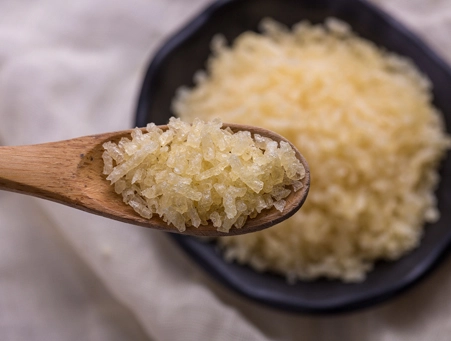
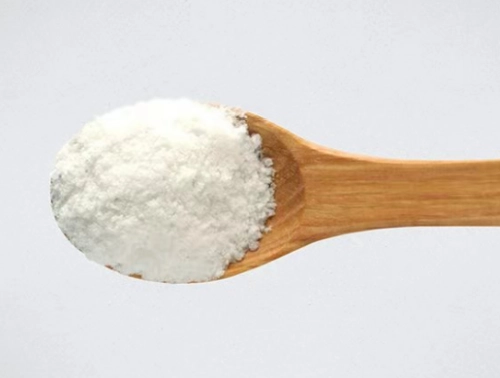
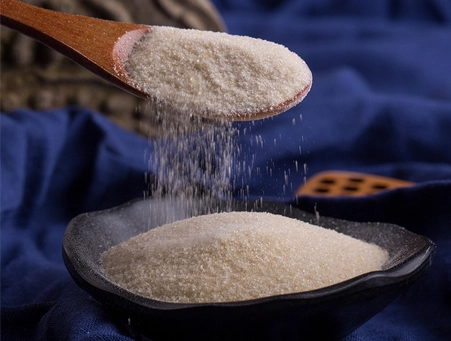
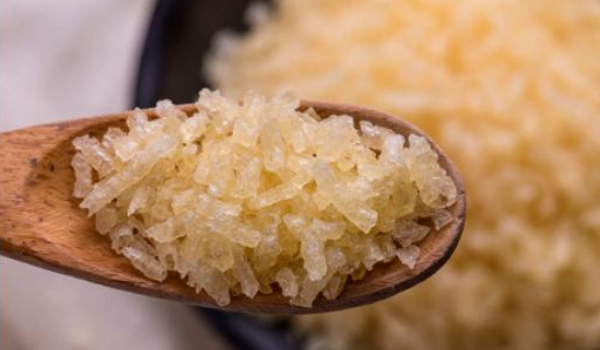
Rice has held a cherished place in beauty rituals across Asia for hundreds of years. Long before modern laboratories analyzed its components, women in Japan, Korea, and China turned to rice-based preparations for luminous, smooth, and resilient skin. This traditional wisdom has now been validated and enhanced by contemporary cosmetic science.
Traditional Use of Rice in Asian Beauty Rituals
In Japan, rice water — the starchy liquid left after rinsing rice — was a staple for washing the face and hair, believed to brighten skin and strengthen strands. Korean beauty traditions incorporated rice bran and rice powder into masks and scrubs for gentle exfoliation and soothing effects. In China, rice-based pastes and extracts were applied to calm irritated skin and promote an even complexion.These practices relied on rice’s natural starches, proteins, and bioactive compounds to deliver hydration, softness, and protection without harsh chemicals.
From Traditional Beauty to Modern Cosmetic Science
Today, advanced processing techniques have unlocked even greater potential from rice. Modern cosmetic ingredients derived from rice include Rice Peptides, Rice Bran Extract, Rice Starch, and Gamma Oryzanol. These refined derivatives bring traditional benefits into high-performance formulations that meet today’s standards for efficacy, stability, and sensory appeal.
Rice Beauty History TimelineAncient Asia → Rice water & powder rituals | 20th Century → Rice bran oil in creams | Today → Hydrolyzed Rice Peptides in premium serums & creams
What Are Rice Peptides?
Rice peptides, also known as Hydrolyzed Rice Protein, are low-molecular-weight peptides produced through the enzymatic hydrolysis of rice protein. This process breaks larger protein structures into smaller, more functional fragments that are easier for the skin to interact with.Compared with intact rice proteins, rice peptides offer smaller molecular size, superior water solubility, easier incorporation into cosmetic bases, and better performance in skin-conditioning applications. These characteristics make them ideal for a wide range of beauty products targeting hydration, soothing, and barrier support.
Why Are Rice Peptides Used in Skincare Products?
Moisturizing and Water Retention Support
Rice peptides excel at helping the skin maintain optimal hydration levels. Their hydrophilic nature allows them to attract and bind water molecules on the skin surface, resulting in a plumper, more supple appearance. Formulators often include them in daily moisturizers and hydrating serums to combat dryness and improve overall skin texture.
Skin Barrier Support
Modern consumers are increasingly aware of the importance of a healthy skin barrier, especially those with sensitive or reactive skin. Rice peptides can help form a protective film on the skin, reinforcing the barrier function and reducing transepidermal water loss. This makes them valuable in barrier-repair creams and products designed for compromised skin.
Soothing Properties for Sensitive Skin
Rice peptides are notably gentle and well-tolerated. Their soothing profile makes them suitable for calming serums, after-sun products, and formulations targeting redness or irritation. Many brands position them as a go-to ingredient for sensitive skin lines because of their low potential for causing reactions.
Antioxidant Potential
Bioactive components in rice derivatives, including peptides, exhibit antioxidant properties that may help shield the skin from environmental stressors such as pollution and UV-induced free radicals. While not a replacement for dedicated sunscreen, they contribute to overall skin resilience in daily care routines.
Support for Skin Firmness and Elasticity
In anti-aging formulations, rice peptides are valued for their potential to support skin firmness and elasticity. By aiding hydration and providing conditioning benefits, they help create a smoother, more youthful appearance in firming creams and targeted serums.
| Benefit | Potential Cosmetic Function |
|---|
| Hydration | Moisturizing |
| Barrier Support | Skin Protection |
| Soothing | Sensitive Skin Care |
| Antioxidant Activity | Environmental Protection |
| Skin Conditioning | Improved Skin Feel |
Rice Peptides vs Other Plant-Based Cosmetic Proteins
When comparing plant-derived proteins for cosmetic use, rice peptides often emerge as a standout choice due to their excellent solubility and low allergen profile.
| Feature | Rice Peptides | Wheat Protein | Soy Protein |
|---|
| Plant-Based | Yes | Yes | Yes |
| Vegan Friendly | Yes | Yes | Yes |
| Solubility | High | Medium | Medium |
| Allergen Risk | Low | Higher | Moderate |
| Sensitive Skin Suitability | Excellent | Moderate | Moderate |
This favorable profile explains why many clean beauty and sensitive-skin focused brands are turning to rice peptides for their next-generation formulations.
Applications of Rice Peptides in Cosmetic Formulations
Facial Serums
Rice peptides integrate seamlessly into lightweight hydrating and barrier-repair serums, delivering noticeable softness and comfort without heaviness.
Moisturizers and Face Creams
In daily moisturizers and rich creams, rice peptides enhance texture and provide long-lasting hydration while supporting sensitive skin needs.
Anti-Aging Formulations
Anti-aging serums and firming creams benefit from the conditioning and moisture-retaining properties of rice peptides, helping improve skin resilience and appearance.
Sheet Masks
Hydrating and repair sheet masks frequently feature rice peptides for their ability to deliver soothing, moisture-boosting benefits during short treatment times.
Hair Care Products
Beyond facial care, rice peptides are valued in shampoos, conditioners, and hair masks for strengthening strands, improving manageability, and adding shine.
Why Cosmetic Brands Are Increasingly Choosing Rice-Derived Ingredients
The rise of rice peptides reflects broader consumer trends toward plant-based, clean, and sustainable beauty. Shoppers actively seek gentle yet effective ingredients with transparent origins and proven performance. Rice peptides meet these expectations while offering excellent formulation flexibility and a compelling sustainability story.Brands appreciate the low allergen risk, vegan compatibility, and ability to create elegant textures that consumers love. As demand for “clean beauty” grows, rice-derived actives provide a natural fit for premium positioning.
What Cosmetic Manufacturers Should Look for in a Rice Peptide Supplier
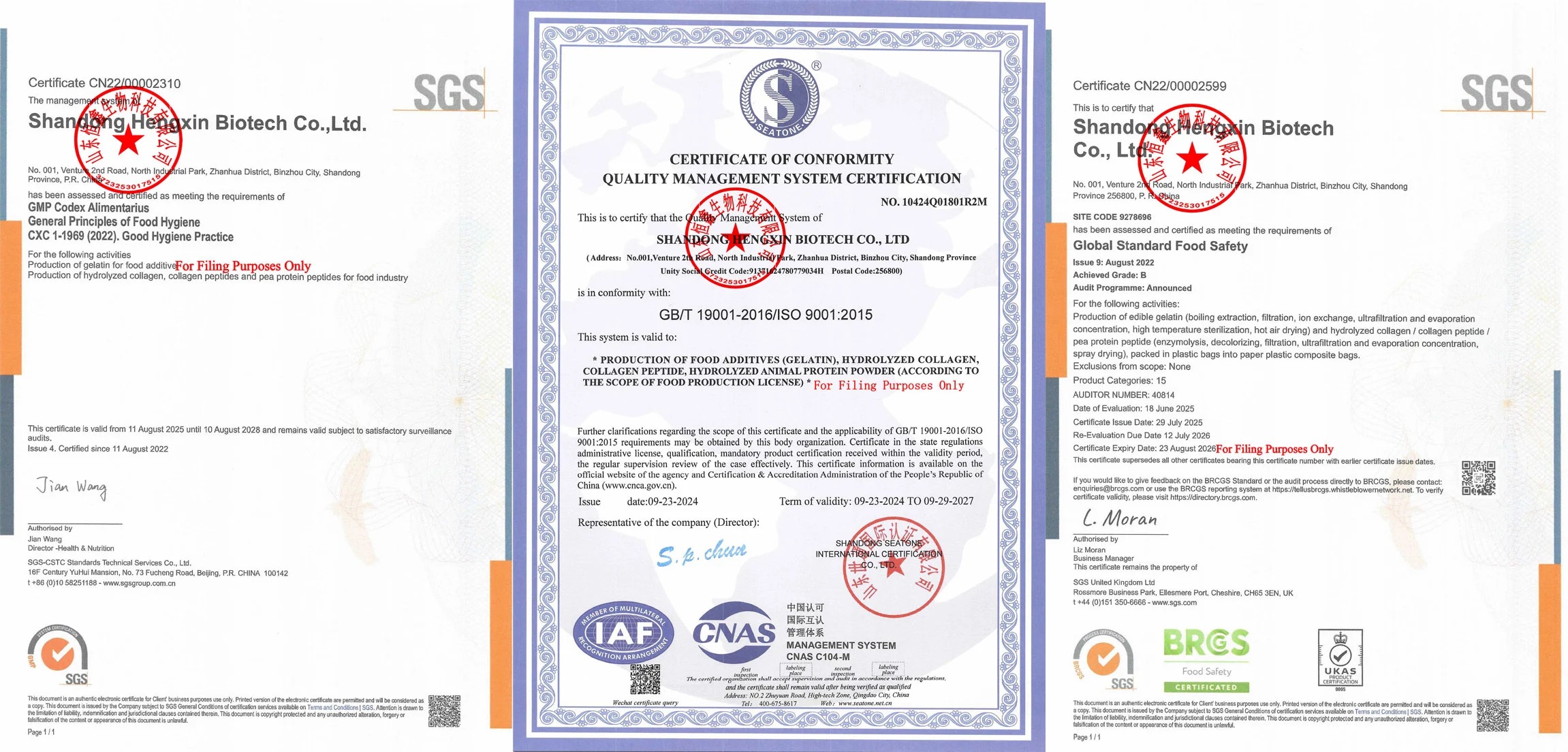
High-quality rice peptides require precise manufacturing. Brands should prioritize suppliers offering excellent product purity, controlled molecular weight distribution, proven solubility, and full regulatory documentation. Reliable production capacity and responsive technical support are equally critical for successful product development.
| Evaluation Criteria | Importance |
|---|
| Product Quality | ★★★★★ |
| Batch Consistency | ★★★★★ |
| Technical Support | ★★★★★ |
| Production Capacity | ★★★★★ |
| Global Supply Experience | ★★★★★ |
Frequently Asked Questions About Rice Peptides in Skincare
Are rice peptides good for sensitive skin?
Yes. Their gentle, low-allergen profile makes rice peptides particularly suitable for sensitive and reactive skin types.
What is the difference between rice protein and rice peptides?
Rice peptides are hydrolyzed into smaller molecules, offering better solubility, easier absorption, and superior performance in cosmetic applications compared to intact rice protein.
Can rice peptides improve skin hydration?
Absolutely. They help attract and retain moisture, contributing to softer, better-hydrated skin.
Are rice peptides suitable for vegan skincare?
Yes. As a fully plant-derived ingredient, they are ideal for vegan and clean beauty formulations.
Can rice peptides be used in hair care products?
Yes. They are commonly incorporated into shampoos, conditioners, and hair treatments for conditioning and strengthening benefits.
Why Choose Hengxin Bio as Your Rice Peptides Supplier?
Hengxin Bio is a globally trusted manufacturer specializing in gelatin, collagen peptides, and plant-based protein peptides for the personal care, food, nutraceutical, and pharmaceutical industries. With over 30 patents and a robust innovation platform, we deliver consistent, high-quality ingredients backed by technical expertise.
What Makes Hengxin Bio Different?
Innovation-Driven R&D: 30+ patents focused on customized peptide development and application support.
Superior Product Quality: Rigorous quality control and customizable specifications for cosmetic-grade materials.
High Production Capacity: Large-scale facilities ensuring stable global supply.
Dedicated Technical Support: Formulation guidance, stability testing, and regulatory documentation assistance.
Sustainable Manufacturing: Environmentally responsible practices including advanced wastewater treatment.
Explore Hengxin Bio's Ingredient Portfolio
Protein & Peptide Ingredients: Gelatin, Hydrolyzed Gelatin, Collagen Peptides, Hydrolyzed Collagen Peptides, Bone Gelatin.Plant-Based Peptide Ingredients: Rice Protein Peptides, Pea Protein Peptides.Mineral Ingredients: Dicalcium Phosphate (DCP).
Partner with Hengxin Bio for Your Next Skincare or Nutrition Innovation
Whether developing premium skincare, hair care, functional foods, or plant-based nutritional products, Hengxin Bio offers reliable rice peptides and comprehensive technical partnership to help bring your innovations to market with confidence.

 zh-CN
zh-CN