 zh-CN
zh-CN

Sep 29-2024
Understanding the Role of Gelatin Additives in Hard Capsules
READ MORE >
In the candy industry, gelatin additives are essential for creating candies with unique textures—soft, chewy, or crystal-clear. From everyday soft candies and jelly candies to marshmallows and filled candies, gelatin is an irreplaceable "invisible hero" thanks to its excellent functionality. Whether you’re a candy manufacturer, food R&D expert, or consumer focused on ingredients, understanding candy-grade gelatin’s traits, uses, and standards helps you make better choices. This article breaks down core info about gelatin additives for candies, covering gelatin’s definition, sources, roles, types, advantages, and key considerations.
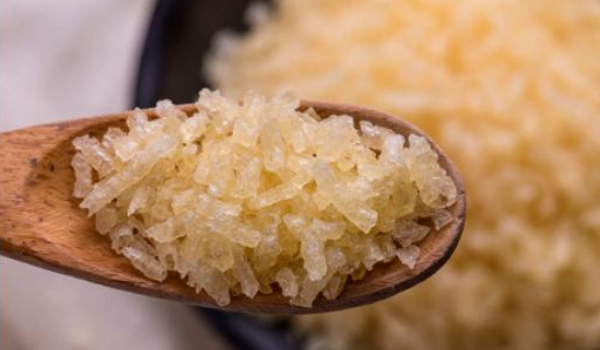
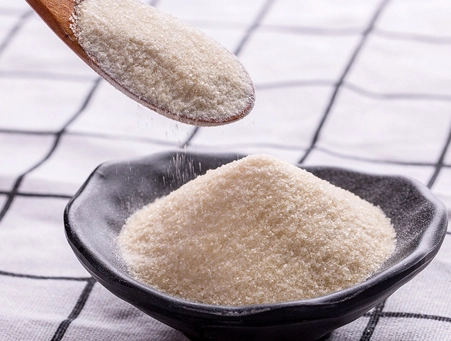
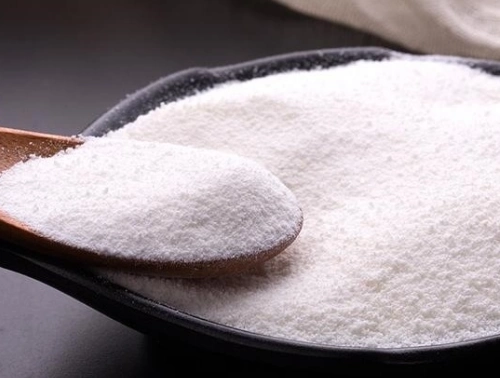
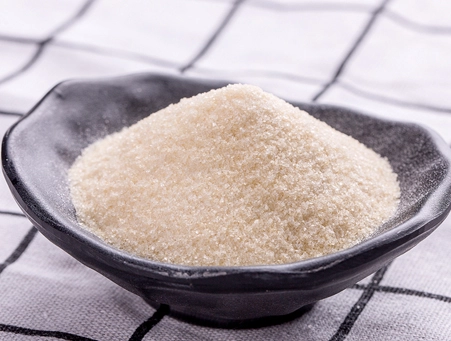
Candy-grade gelatin (often called candy gelatin) is a natural protein extracted and purified from collagen in animal connective tissues (skin, bones, tendons). As a key type of food-grade gelatin, it has been used in food production for over 100 years. In candies, gelatin is a top gelling agent due to its strong gelling, film-forming, and water-retention properties. Unlike other additives, gelatin contains essential amino acids, is easy to digest, and adds nutritional value to candies. During candy production, gelatin acts as a gelling agent, stabilizer, thickener, and forming agent. By adjusting gelatin’s amount and type, manufacturers create diverse textures—from soft to chewy—to suit different tastes.
Gelatin’s source directly impacts its quality and use in candies. The global candy industry relies on three main gelatin sources:
1. Bovine-Sourced Gelatin: Made from healthy cattle skin and bones, this gelatin has high gel strength and stability. Candies with bovine-sourced gelatin keep their shape longer and resist temperature changes, making it ideal for hard, elastic candies like some soft candies, milk candies, and chewy candies.
2. Porcine-Sourced Gelatin: The most widely used gelatin in candies, it comes from pig skin and bones. It offers great value and balanced gelling properties—elastic but not too hard—working for jelly candies, marshmallows, and QQ candies. Its moderate dissolution rate also eases industrial mixing, favored by small and medium candy businesses.
3. Fish-Sourced Gelatin: Derived from fish scales, skin, and bones (especially deep-sea fish), this emerging gelatin has a low freezing point and dissolves easily—even in low temperatures. It’s perfect for low-temperature candies or kids’ candies that need quick dissolution. It also meets halal and kosher dietary needs, expanding gelatin’s use in candies.
No matter the source, candy manufacturers must use gelatin from healthy animals and formal suppliers to ensure safety and stability.
Gelatin shapes candy quality through multiple key roles—none of which can be replaced:
Gelatin’s gelling property defines candy texture. In soft candies and QQ candies, gelatin forms an elastic 3D network for the classic "chewy-soft" feel—resilient and non-sticky. For marshmallows, gelatin’s film-forming ability traps air to make light, melt-in-your-mouth foam; without gelatin, marshmallows lose their fluff. In milk candies and toffees, gelatin thickens the mix, balances syrup sweetness, and prevents stickiness for a smoother taste.
Candies deform, melt, or stick easily during transport and storage. Gelatin forms a dense colloidal structure inside candies, boosting heat resistance and anti-shrinkage. For example, jelly candies without gelatin melt in 1-2 days at room temp; with gelatin, they stay intact for months in cool conditions. This reduces waste and keeps every batch consistent.
Gelatin’s film-forming and transparent properties make candies more appealing. Fruit jelly candies with gelatin have uniform texture and bright colors, shining translucent under light. In filled or coated candies, gelatin creates a smooth outer film—making candies look refined and preventing moisture damage. Adjusting gelatin concentration also makes semi-transparent or fully transparent candies.
Gelatin’s colloidal network traps moisture and flavors, slowing evaporation. It keeps candies moist (even in dry seasons) and preserves fresh tastes—fruit soft candies with gelatin stay flavorful for a month, while those without fade in 1-2 weeks. Gelatin also blocks microbes and oxygen, reducing spoilage and extending shelf life.
Candy-grade gelatin has three main types, each suited to specific candies:
This gelatin meets strict standards (e.g., China’s GB 6783-2013, U.S. FDA). With gel strength of 200-280 Bloom, it’s elastic and stable—ideal for candies needing shape retention, like soft candies, milk candies, jelly candies, and chewy candies. It keeps QQ candies intact above 30°C and prevents milk candies from sticking.
With gel strength of 100-180 Bloom, this gelatin is softer, dissolves faster, and forms looser gels. It’s used for "light texture" candies: marshmallows (for melt-in-your-mouth foam), mousse candies (for tender, cake-like texture), and bubble candies.
Also called gelatin peptides, this gelatin is broken into small molecules (1000-5000 Da) via hydrolysis. Hydrolyzed collagen dissolves in cold water, has no gelling property, and works as a nutritional fortifier. Added to kids’ soft candies, it boosts amino acids and eases chewing. In low-sugar/calorie candies, it replaces syrup to keep moisture without extra calories.
Gelatin stands out among gelling agents (agar, pectin, carrageenan) for four key advantages:
Gelatin’s gel is soft, elastic, and odor-free, blending perfectly with fruit, milk, or chocolate flavors—no "chemical taste." Unlike agar (hard, brittle) or pectin (only works in acidic candies), gelatin suits all candy types.
Gelatin gels at 25-35°C and dissolves above 50°C—no extreme temps. It mixes evenly with syrup, colors, and flavors, and demolds 30% faster than agar. For filled candies, gelatin coats dry quickly, cutting energy use.
Gelatin is a natural protein, purified via deashing, deacidification, and sterilization. It meets global safety standards (China GB, U.S. FDA, EU EC) and has a 90%+ digestion rate—safe for kids and the elderly. Consumers prefer "natural" gelatin over synthetic additives.
Gelatin costs 1/3 to 1/2 less than high-end plant-based gelling agents (imported pectin, pullulan). It meets 90% of candy needs—for mass-produced candies like soft candies or marshmallows, gelatin balances quality and cost.
Gelatin is animal-sourced, so vegetarians, vegans, halal (avoid porcine gelatin), and kosher consumers may need alternatives. A small number are allergic to bovine/porcine gelatin (symptoms: rashes, diarrhea). Manufacturers must label gelatin source (e.g., "contains pig skin gelatin") and "non-vegetarian" clearly.
Poor raw materials (spoiled animal parts) or bad processing cause gelatin to have heavy metals, microbes, or off-odors. Manufacturers should choose reputable gelatin suppliers, ask for gelatin traceability reports and quality certificates, and test gelatin (color, odor, gel strength) before use.
Gelatin is critical for making high-quality candies—its texture-shaping, stabilizing, and flavor-locking properties are unmatched. For 谷歌 search success, focus on keywords like "gelatin for candies," "candy-grade gelatin," and "gelatin sources for candies" to boost visibility. Whether you’re making or buying candies, understanding gelatin helps you prioritize quality and safety.