 zh-CN
zh-CN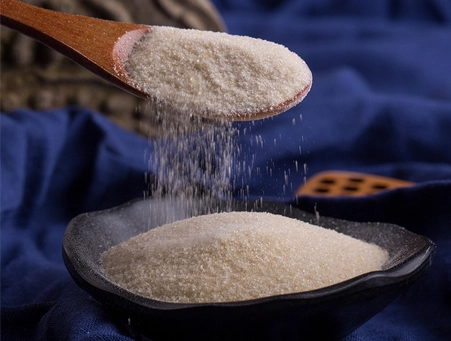
Aug 15-2026
How to Read a Fish Collagen Peptide COA Like a Procurement Engineer
READ MORE >
Halal gelatin is gelatin made from permissible raw materials and processed under conditions compliant with recognized Islamic law. Manufacturers may produce it from halal certified bovine sources, fish, or other permitted animals. Its halal status depends on the animal source, slaughter requirements where applicable, processing controls, and certification. Food, pharmaceutical, nutraceutical, and cosmetic manufacturers use halal gelatin for gelling, stabilizing, film forming, and encapsulation. This guide explains what halal gelatin is, what it is made from, how bovine and hydrolyzed gelatin are evaluated, and where manufacturers use it.
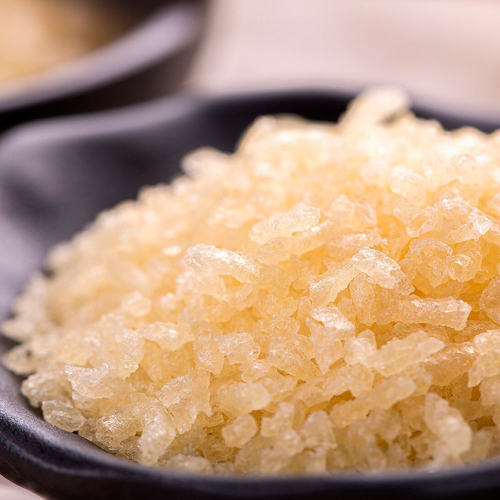
Halal gelatin is a natural protein ingredient made by hydrolyzing collagen from sources such as fish skin, bovine hides and bones, and cold-water marine fish. Under Islamic dietary laws, halal gelatin must not contain any pork-derived ingredients. Before slaughter, the permitted animal must be healthy and alive, and the person performing the slaughter must be a mentally sound Muslim.
To qualify under a halal certification system, the raw material, processing aids, manufacturing environment, storage, and handling must meet the applicable requirements. Halal gelatin performs the same main technical functions as conventional gelatin. Manufacturers use it as a gelling agent, stabilizer, thickener, film former, and encapsulation material.
Its popularity stems from strong thermo-reversible gelling properties, high biocompatibility, excellent film-forming ability, and a clean label appeal that resonates with health-conscious consumers worldwide. For manufacturers, choosing halal gelatin is not merely about religious compliance — it opens doors to fast-growing markets in Southeast Asia, the Middle East, and beyond while building consumer trust through transparency.
Bovine hides, bones, and connective tissues are rich in collagen, which is hydrolyzed to produce bovine gelatin. The term “bovine gelatin” only identifies the animal source and does not, by itself, mean the gelatin is halal. Bovine gelatin can be considered halal only when the cattle source, slaughter practices, processing, storage, and certification all comply with Islamic requirements.
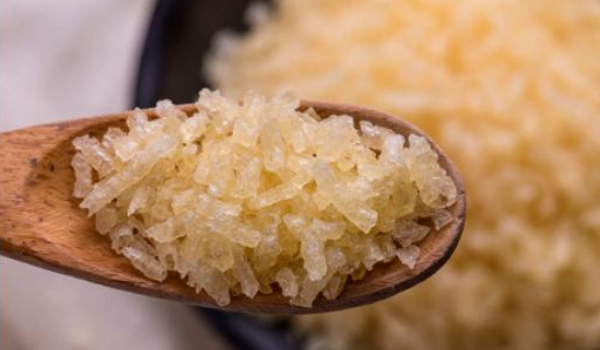
Manufacturers usually obtain fish gelatin from fish skin, scales, or bones. As long as the fish species is considered permissible for consumption by Muslims and the gelatin is not mixed or contaminated with non-halal materials, it can be considered halal fish gelatin. Its functional properties can differ from bovine gelatin. Gel strength, melting behavior, viscosity, and solubility depend on the fish species, raw material, and production process.
Porcine gelatin is strictly prohibited in Muslim regions. According to Surah Al-Ma'idah (5:3), acid-processed Type A pork gelatin is categorized as Haram or Najis al-Mughallazah.
Gelatin from sheep, goats, poultry, and other permissible animals may be accepted in Muslim markets, although these sources account for a relatively small share of industrial gelatin production. Need a specific source, contact the manufacturerfor a customized solution.
The source of gelatin cannot be reliably verified from the ingredient name alone. Liquid chromatography–mass spectrometry (LC-MS) can be used to analyze and compare characteristic peptide profiles to identify the animal species of origin.
| Source Type | Halal Consideration | Industrial Usage | Notes |
| Bovine | Can qualify when sourcing and processing meet halal requirements | High | Most Common in B2B pharma & food |
Fish | Generally accepted, subject to product and market requirements | Medium-High | Preferred for cold solubility |
Porcine (Pork) | No Accepted | Very High globally | Strictly prohibited in Halal |
Other permitted animals | Depends on source, slaughter and certification | Medium-High | Limited industrial applications |
Unknown source | Not Accepted | High Risk | Must be avoided for compliance |
The halal status of gelatin depends on its source and the requirements applied to its production and certification. The physical form of the product, such as powder, granules, or sheets, does not determine its status.
Three factors require particular attention:
Animal source: Type A porcine gelatin is considered haram (prohibited) under Islamic dietary laws. Halal gelatin must not contain pork or any pork-derived ingredients.
Processing controls: Manufacturers must prevent contact with non halal materials during production, storage, and transport.
Certification: A halal certificate should identify the certified company or facility, covered products, issuing body, certificate number, and validity period.
Bovine gelatin, also called beef gelatin, is made from bone or hide. Cattle are allowed in a Muslim diet. Bovine gelatin can be halal when the cattle are slaughtered according to Islamic rules, the gelatin is produced and stored under halal requirements. B2B buyers should verify:
The source of the cattle raw material
The applicable slaughter documentation
Processing aids and production controls
Measures that prevent contact with non halal materials
The issuing body, scope, and validity of the halal certificate
Notice: A BSE Free statement does not replace halal certification. BSE Free documentation addresses specific sourcing and safety controls for bovine materials, while halal certification evaluates religious compliance within the relevant certification system. Want to learn more? Read our guide: What Is Bovine Gelatin Used For?
Food producers use halal gelatin in gummies, marshmallows, jelly products, dairy products, desserts, and selected beverages. It can provide gel formation, texture, stabilization, foam support, or clarification, depending on the formulation and gelatin grade.
Pharmaceutical and supplement manufacturers use gelatin in hard capsules, soft capsules, coatings, and delivery systems.
Cosmetic manufacturers may use gelatin as a film former, binder, or texture modifying ingredient.
Brand owners must still evaluate Bloom strength, viscosity, particle size, clarity, color, odor, microbiological limits, and other application specific requirements. A certified product may meet halal requirements but still be unsuitable for a particular formulation.
Halal certification delivers far more than religious compliance. It guarantees:
Reliable access to high-growth markets in Indonesia, Malaysia, the Middle East, and other Muslim-majority regions.
Enhanced brand trust and consumer confidence through transparent, audited supply chains.
Alignment with global regulatory expectations and corporate social responsibility goals.
Reduced risk of product rejection or recalls due to non-compliance.
Without certified halal gelatin, exporters frequently face barriers in key international markets. Professional manufacturers invest heavily in certification maintenance to support their clients' global ambitions.
As a globally leading manufacturer of gelatin and collagen peptides, Hengxin Bio is committed to delivering premium, halal-compliant raw material solutions for the food, pharmaceutical, nutraceutical, and cosmetic industries. We specialize in:
Gelatin (various Bloom strengths)
Hydrolyzed Gelatin
Collagen Peptides
Hydrolyzed Collagen Peptides
Strategic Factory Location: Proximity to quality raw material sources for freshness, traceability, and cost efficiency.
Sustainable Production: Self-contained wastewater treatment systems meeting international environmental standards.
Superior Product Quality: Customizable specifications for pharmaceutical, food, and cosmetic grades.
Large-Scale Capacity: Reliable bulk supply for global clients with consistent batch quality.
Technical Expertise: Dedicated support team assisting with formulation development and application optimization.
Innovation Focus: R&D center with 30+ patents driving advanced gelatin and collagen solutions.
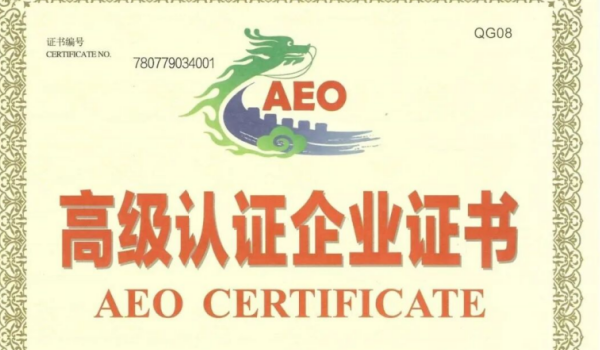
Certifications: Halal (IFANCA, MUI, JAKIM, etc.), Kosher, ISO, FDA-compliant, and more.
Looking for a reliable halal gelatin powder supplier? Need bulk bovine gelatin for food or pharmaceutical applications? Contact Hengxin Bio today to receive:
Free technical specifications and samples
Customized Bloom strength and viscosity options
Competitive bulk pricing
OEM/ODM collaboration opportunities
Full traceability and certification support
No. BSE Free and halal certification address different requirements. A BSE Free statement concerns specific sourcing and safety controls for bovine materials. It does not confirm slaughter conditions, processing controls, or halal certification.
The powder form does not determine halal status. Gelatin powder, granules, and sheets may come from bovine, fish, porcine, or other sources. Brand owners must check the source and certification.