 zh-CN
zh-CN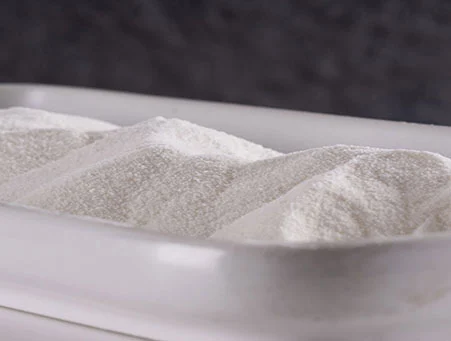
Jan 19-2024
Company Name Change to Shandong Hengxin Biotech Co., Ltd.
READ MORE >
2026-08-06
China is one of the world's largest production and export bases for fish collagen peptides— but not all suppliers are created equal. This guide, written from inside a factory that has exported to 30+ countries over 20 years, walks you through exactly how to evaluate Chinese fish collagen peptide manufacturers. You will learn what production scale really means, which certifications matter and which are window dressing, how to verify raw material traceability, and the red flags that signal you're dealing with a trading company rather than a manufacturer.
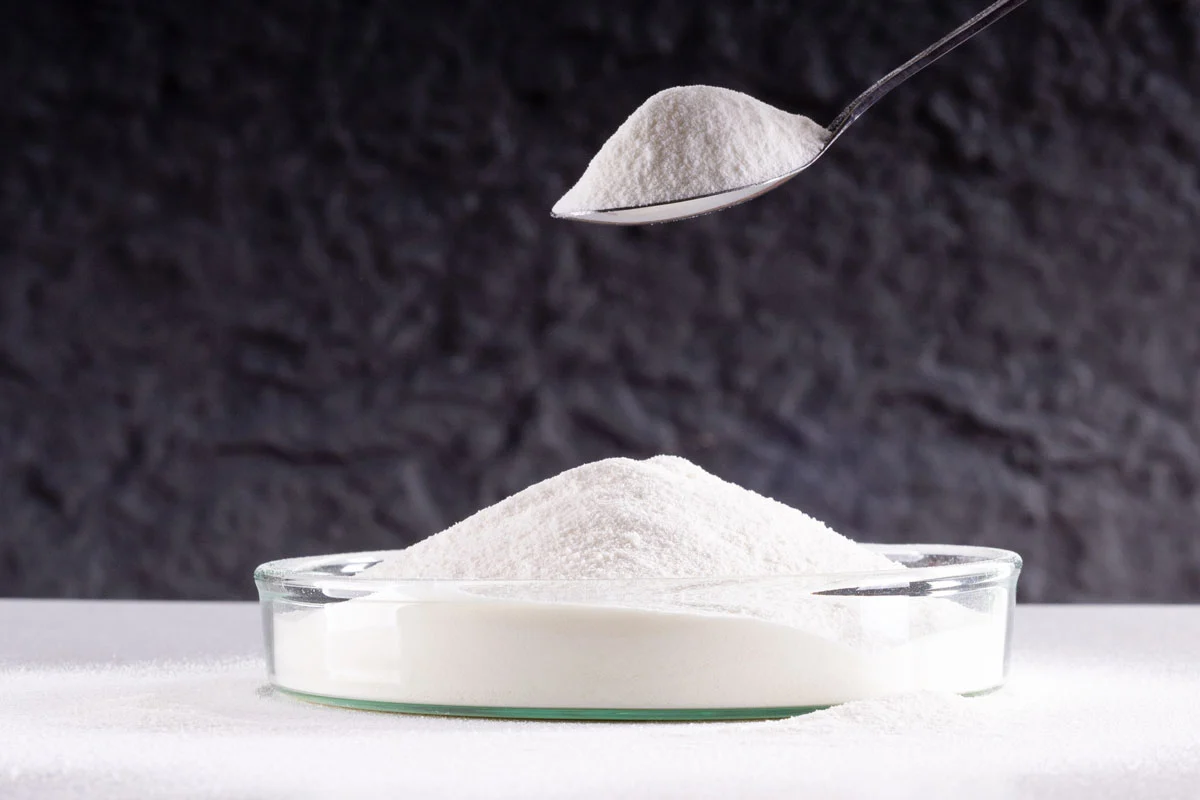
If you are sourcing fish collagen peptides in 2026, you are almost certainly looking at China. And for good reason.
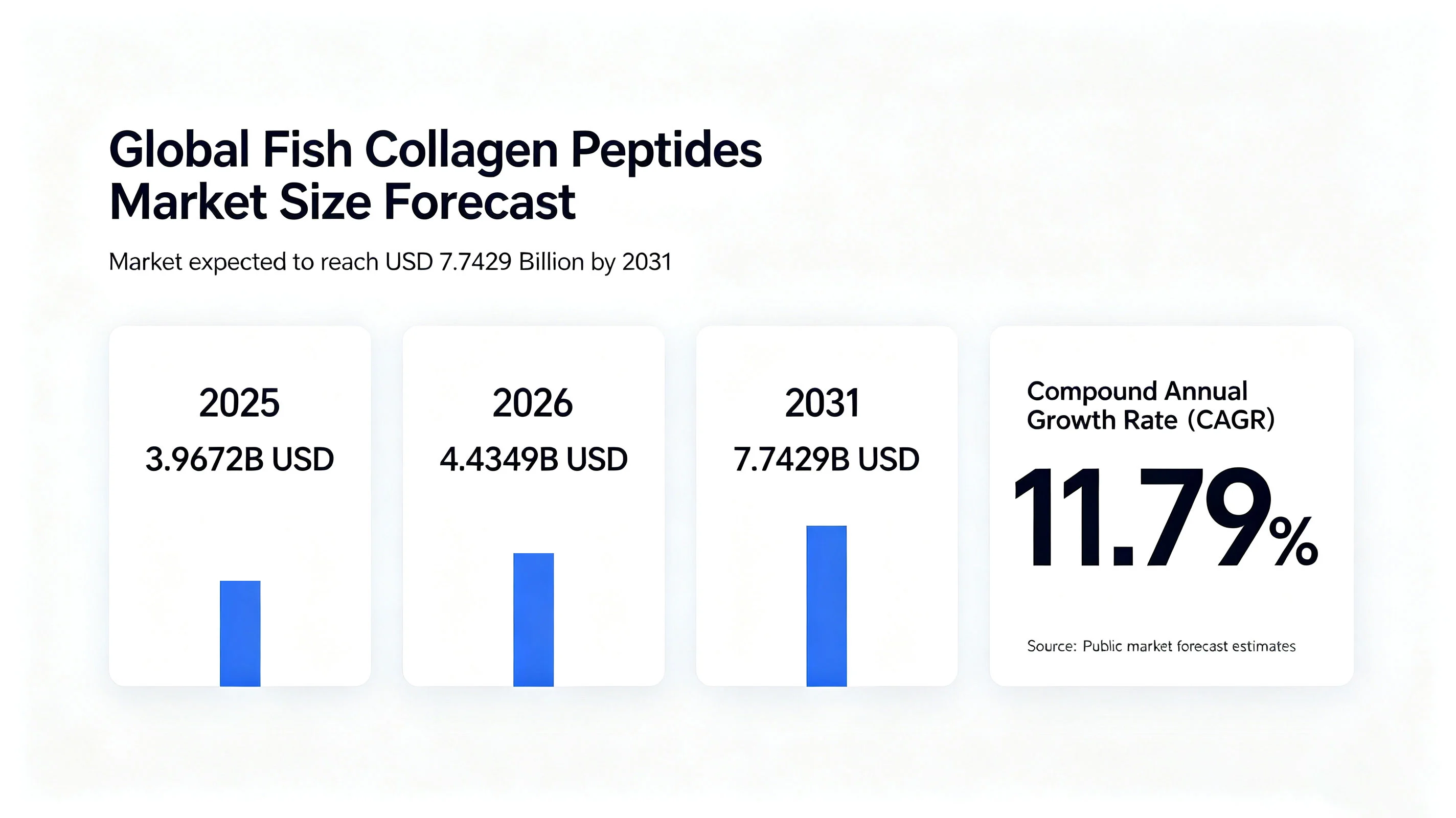
The fish collagen peptide market is projected to reach $396.72 million by 2025, $443.49 million by 2026, and $774.29 million by 2031, growing at a CAGR of 11.79% (Mordor Intelligence 2026–2031). The report also highlights China as a leading force in the Asia-Pacific market — a position it has built over two decades of sustained investment in aquaculture infrastructure, enzymatic hydrolysis technology, and export-oriented manufacturing.
Three structural advantages make China the world's factory for fish collagen peptides:
Three structural advantages make China the world's factory for fish collagen peptides:
Raw material access. China operates the world's largest aquaculture industry. Tilapia alone — the most common source fish for collagen peptides. A factory located near these farming regions has a structural cost and freshness advantage. When our factory in Shandong receives tilapia skins for collagen extraction, the raw material has typically been processed within 24–48 hours of filleting. That speed directly affects the molecular integrity of the final peptide.
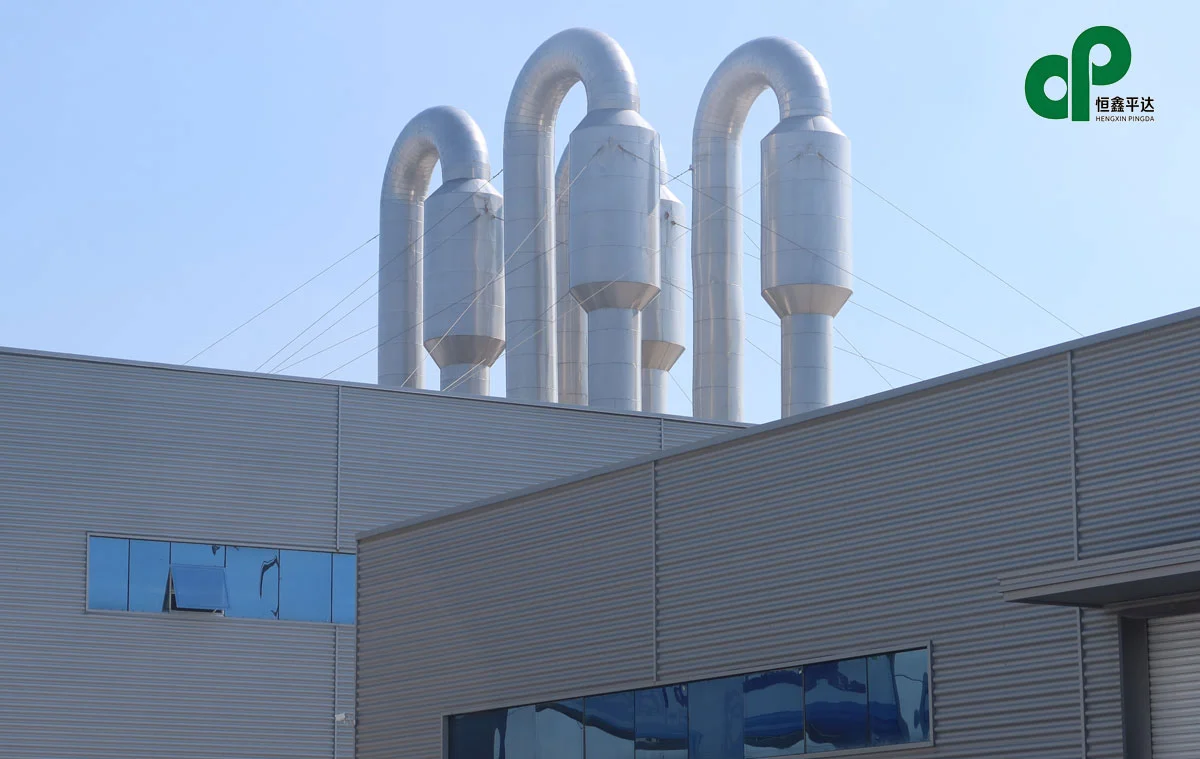
Technology investment. This is the part most overseas buyers underestimate. Between 2010 and 2025, leading Chinese manufacturers invested heavily in directed enzymatic hydrolysis technology — the precise method of cutting collagen protein chains into bioactive peptides with controlled molecular weight distribution. A modern Chinese fish collagen production line in 2026 uses membrane filtration, low-temperature concentration, and spray drying under cleanroom conditions that meet FDA and EU standards.
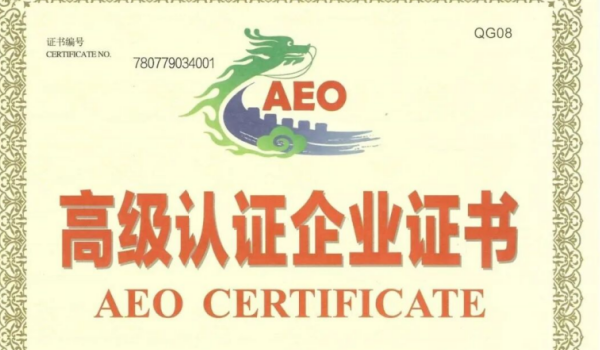
Export infrastructure. China's collagen peptide manufacturers have long history of exporting collagen peptides. Companies like ours that hold AEO Advanced Certification from China Customs move shipments through faster than uncertified competitors. For an importer, that means the difference between a 30-day lead time and a 45-day one.
What are fish collagen peptides? Fish collagen peptides are short chains of amino acids — typically 2 to 20 amino acids in length — produced by enzymatically hydrolyzing Type I collagen extracted from fish skin, scales, or bones.
Unlike intact collagen protein (molecular weight >300,000 Daltons), collagen peptides have a molecular weight below 5,000 Daltons, typically in the 1,000–3,000 Da range, which enables cold-water solubility and significantly higher bioavailability. They are used as active ingredients in beauty supplements, joint health products, sports nutrition, functional beverages, and cosmetic formulations. Learn more in our B2B guide to fish collagen peptides, covering benefits, quality standards, and sourcing considerations.
Before you evaluate suppliers, you need to understand what you are actually specifying. Fish collagen peptide is not a commodity. Different source species, processing methods, and quality control standards produce materially different products.
Specification | What It Means | What to Look For |
Source species | Tilapia, cod, pangasius, or mixed marine | Single-species source = consistency. Tilapia is the industry standard for Type I collagen. |
Protein content | Percentage of pure protein in the powder | ≥90% is standard. ≥95% is premium. |
Molecular weight | Average size of peptide chains in Daltons (Da) | <3,000 Da for high bioavailability. <2,000 Da for premium beauty applications. |
Solubility | Ability to dissolve in cold water without clumping | 100% cold-water soluble = properly hydrolyzed. Cloudiness = incomplete processing. |
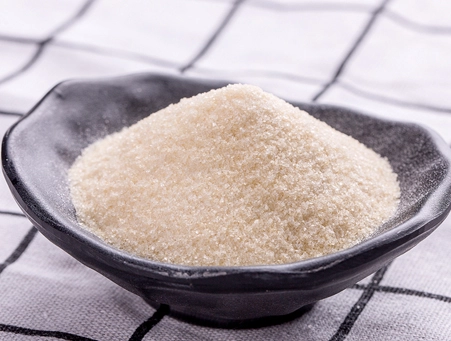
Organoleptic profile | Taste, odor, color | Neutral taste, odorless, white to off-white powder. Fishy smell = poor handling. |
Moisture content | Water percentage in the powder | ≤8% is standard. Higher = shorter shelf life and microbial risk. |
Heavy metals | Lead, mercury, cadmium, arsenic levels | Meet USP/NF or ICH Q3D limits. Demand a COA with actual numbers. |
Industry Standard: Per USP/NF monograph guidelines, hydrolyzed collagen sold for dietary supplement use must meet specified limits for loss on drying, residue on ignition, heavy metals, and microbial enumeration. Reputable Chinese manufacturers test against these standards on every production batch — not just occasionally. At Hengxin, our in-house laboratory runs a full panel on every batch: protein content, molecular weight distribution, heavy metals, and microbiological safety, with complete documentation tracing back to the raw material lot.
China's fish collagen peptide production clusters in four provinces:
Hainan (the earliest cluster, home to Hainan Huayan — the first company to obtain a fish collagen peptide production license in China, with around 4,500 tons of annual capacity and 40+ patents).
Shandong (our home province, hengxin biotech produces 12,000 tons of collagen peptides annually.).
Jiangxi (where Jiangxi Hanfei produces approximately 15,000 tons of total collagen peptides from both bovine and fish sources).
Hubei (where Hubei Reborn Biotech operates an 8,000-ton facility).
PB Leiner, the Belgian giant owned by Tessenderlo Group, opened a joint venture fish collagen peptide plant in Hainan in 2023 — a signal that even the global majors see China as the place to produce fish collagen. Smaller players like Shandong Hailongyuan Bio-tech and Blue Eyes Bio serve niche segments.
Here is what the landscape actually looks like from the inside:
Tier 1: Vertically integrated manufacturers. These companies control the process from raw material sourcing through enzymatic hydrolysis, purification, drying, and in-house testing. They hold multiple international certifications — FSSC 22000, BRC, GMP, FDA registration, and EU approval. They export regularly to North America and Europe. They have dedicated R&D teams. In China, there are fewer than ten companies that genuinely operate at this level. Hengxin is one of them.
Tier 2: Contract manufacturers with limited scope. These companies have real production lines but a narrower range. They may hold one or two certifications. They can produce to specification, but their R&D capability is limited to adjusting existing processes rather than developing new ones.
Tier 3: Trading companies with factory branding. This is where buyers get burned. These companies present themselves as manufacturers — with factory photos and certification logos — but they do not own or operate a production line. They buy from multiple small producers, repackage, and resell. Quality is inconsistent because they have no control over the manufacturing process.
Most Chinese fish collagen peptide producers operate at a scale of 2,000–5,000 tons annually. A facility producing under 1,000 tons may struggle with batch consistency — smaller production runs magnify the impact of raw material variation. Capacity determines supply stability, batch consistency, and R&D bandwidth.
Our facility in Zhanhua, Shandong, operates at an annual capacity of 36,000 metric tons of gelatin and 12,000 metric tons of collagen peptides — making us one of the largest single-site collagen operations in Asia. Over the past two decades, we have maintained a strong on-time delivery record.
At minimum, a fish collagen peptide exporter should hold ISO 9001 and HACCP. For serious export markets: FSSC 22000 or BRC (GFSI-benchmarked), GMP (pharma-grade), FDA registration (U.S. market), EU approval (European import), and Halal/Kosher with genuine supply chain verification.
When we first connect with a client, we send over a complete set of certifications: FSSC 22000, ISO 9001:2015, GMP, BRC, HACCP, Halal, Kosher, FDA registration, and EU approval. We also hold AEO Advanced Certification from China Customs — fewer than 1% of Chinese food ingredient exporters have this.
The quality chain starts at the fish farm. What species? Farmed where? Processed how quickly? A manufacturer that cannot answer these questions is not in control of its supply chain. European and North American brands increasingly demand sustainability documentation.
The Hengxin position. Our fish collagen peptides are derived from tilapia. We maintain full batch traceability from raw material receipt through production, quality testing, and final shipment.
Fish collagen peptide production uses enzymatic hydrolysis. The choice of enzyme, temperature profile, and purification steps all affect the final product. Look for patents and in-house R&D capability.
Our in-house R&D team works directly with clients to customize molecular weight profiles for specific applications. When a brand owner needs a specific specification, we develop the protocol.
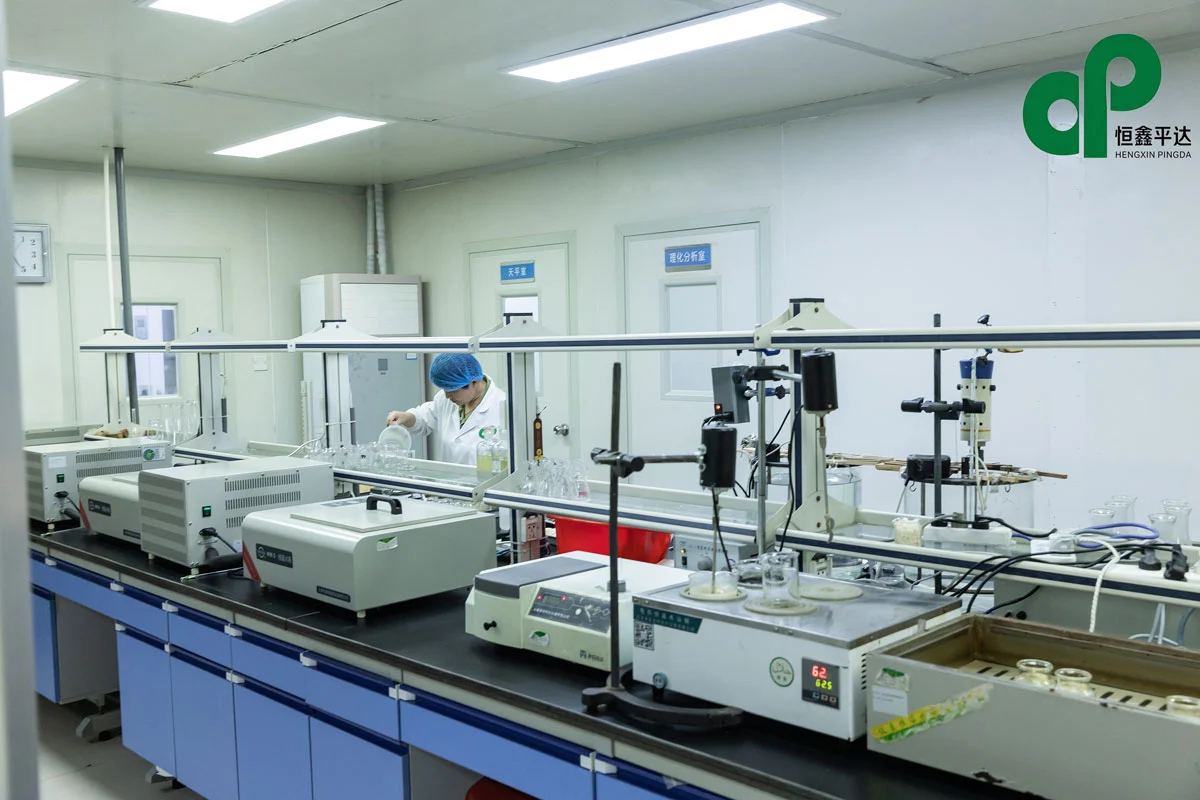
The difference: a factory that runs full analytical panels on every batch in-house vs. one that sends occasional samples to a third-party lab. Demand a COA with: protein content, molecular weight distribution, individual heavy metal values, and microbiological data.
One of our US buyers switched to hengxin collagen peptides because their previous supplier couldn't customize the molecular weight and protein content.
Exporting collagen peptides requires correct HS classification, customs documentation, regulatory clearance, and reliable logistics. A factory that has been exporting for 15+ years has dealt with FDA holds, EU border inspections, and Halal verification — and knows how to handle them.
Before getting AEO certification, our shipments had to wait in line like standard cargo, which added to transit times. Now, our products get priority inspection and clearance, making the customs process much faster and more efficient.
Brand owners need more than bulk ingredients — they need custom specifications, custom packaging, and custom formulations. Verify what "OEM" actually means: true OEM means the factory adjusts production parameters to your specification.
The Hengxin position. We offer all three service models with genuine flexibility. Our R&D team develops custom molecular weight profiles, our production team adjusts process parameters, and our packaging team handles formats from 500g sample packs to finished retail packaging.
Common Mistakes When Sourcing from China:
Mistake | Why It Is Wrong | Correct Approach |
Trusting a certificate without verification | Certificates can be photoshopped, expired, or issued by unrecognized bodies | Verify with the certification body's online database. Ask for the certificate number. |
Judging by website quality alone | A polished English website is a marketing investment, not manufacturing proof | Ask for a live video tour showing today's date. Visit or send an auditor. |
Chasing the lowest price | Below a certain point, something has been cut — raw material quality, testing, or both | Benchmark 3–5 manufacturers. If one is 30% cheaper, ask what they are not doing. |
Accepting vague answers about raw material | "Marine fish" is not a species. "Deep sea" is not a sourcing claim. | Demand: species, region, farmed/wild. A real manufacturer knows exactly what goes into production. |
Skipping a factory audit | A trading company can show photos of a factory they do not own | If order value justifies it, visit the factory or hire a third-party inspector. |
One additional red flag specific to our industry: if a supplier cannot provide a COA with numerical results for molecular weight distribution, they are likely not running HPLC or SEC analysis in-house. Molecular weight is the single most important quality parameter for collagen peptides.
Which Chinese fish collagen peptide supplier is right for you?
If you need | Prioritize | Why |
Large-volume, consistent supply | Production capacity, export history, logistics | A 10,000-ton factory with AEO certification will not fail on delivery. |
Premium beauty-from-within collagen | Low MW capability (<2,000 Da), R&D team, organoleptic quality | This application demands the tightest specs on taste, odor, and solubility. |
FDA-regulated supplement manufacturing | FDA registration, GMP, full batch testing | Your own FDA compliance depends on supplier documentation. |
Halal or Kosher markets | Verifiable Halal/Kosher certification with supply chain audit | Paper certificates without verification fail real audits. |
Custom formulation for a brand launch | OEM/ODM capability, R&D team, custom spec development | You need a partner, not a catalog order-taker. |
Private label finished product | Private label experience, packaging, regulatory docs | Supplier must understand labeling regulations in your market. |
How do I verify that a Chinese supplier is a real manufacturer and not a trading company?
Ask for the business license showing "manufacturing" in the business scope. Request a live video tour of the production line with today's date visible. Check export records — a real manufacturer's shipping documents show the factory address as the place of receipt. Trading companies struggle to provide any of these.
What is a reasonable price range for fish collagen peptides from China in 2026?
Premium fish collagen peptides (<2,000 Da, ≥95% protein, full certification) typically range from USD 16–25 per kilogram FOB for bulk orders. Standard-grade: USD 12–16/kg. If quoted below USD 10/kg for "premium" collagen, investigate what is being cut — because something is being cut.
How long does it take from order to delivery when sourcing from China?
Production lead time: usually 15–25 days from confirmed order. Ocean freight to North America: usually 20–30 working days; to Europe: perhaps 25–35 working days; to Southeast Asia/Middle East: maybe 10–20 working days. A factory with AEO certification clears customs faster on both export and import sides.
If you are sourcing fish collagen peptides — whether for a supplement brand, a functional food product, a cosmetic line, or a pharmaceutical application — I invite you to evaluate Hengxin against the framework in this guide.
Scale: 12,000 metric tons of annual collagen peptide capacity on a dedicated production site
Certifications: FSSC 22000, ISO 9001:2015, GMP, BRC, HACCP, Halal, Kosher, FDA-registered, EU-approved
Traceability: Full batch documentation from raw material to finished product
R&D: 30+ patents, in-house laboratory, custom molecular weight development
Experience: 20+ years manufacturing, exporting to 30+ countries
Service: OEM, ODM, and Private Label with genuine flexibility
To request a specification sheet, sample COA, or schedule a factory audit, please contact our export team.
Written by Olivia
Form Shandong Hengxin Biotech Co., Ltd.
Zhanhua District, Binzhou City, Shandong Province, China
Key Takeaways
A. China is one of the fastest-growing core manufacturing hubs for fish collagen peptides in the Asia-Pacific region, with the technology, scale, and quality control needed to compete on the global stage.
B. Evaluate suppliers on seven dimensions: production scale, certifications, raw material traceability, R&D capability, quality testing, export experience, and OEM/ODM flexibility.
C. Verify certifications directly with issuing bodies. Demand specific molecular weight data on every COA. Visit or audit the factory before committing to large volumes.
D. The lowest price is almost never the best value. Quality is built into the testing, raw material, and manufacturing process — all of which cost money to do properly.